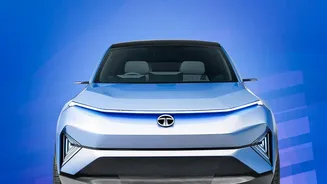





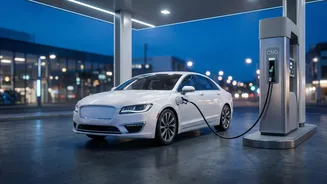
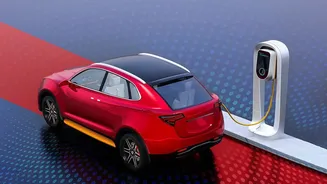
The Milestone in Perspective
For the first time, in August 2026, the combined share of alternative fuels like CNG, hybrids, and EVs surpassed traditional petrol-only cars. While petrol's dominance slipped, CNG's share rose to a record high, solidifying its position as the second
most popular fuel choice after petrol, and well ahead of diesel. In fiscal year 2026, nearly one in every four passenger vehicles sold was a CNG model, with sales crossing one million units. This isn't a sudden spike but the result of steady growth, nearly doubling its share in just three years. This surge reflects a fundamental change in buyer priorities in a market grappling with fuel price volatility.
The Everyday Economics for the Indian Driver
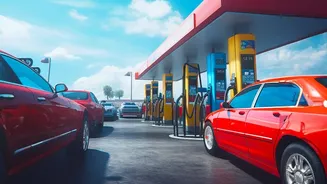
The primary driver behind CNG's ascent is simple: economics. For the average Indian car buyer, the lower running cost of CNG is a compelling proposition. The cost per kilometre for a CNG car can be 30-50% lower than its petrol equivalent, a significant saving for daily commuters and small families. While the initial cost of a factory-fitted CNG vehicle is higher, many buyers find that the fuel savings help them recover this premium within a couple of years. With an expanding network of over 6,000 CNG stations across more than 600 cities, the accessibility issue that once plagued the fuel is gradually diminishing, making it a practical choice for a growing number of people.
Automakers Place Their Bets
India's leading car manufacturers are no longer treating CNG as a niche option. Maruti Suzuki, a long-time proponent of the technology, continues to dominate, commanding nearly 70% of the CNG market in August 2026. The company has successfully integrated CNG options across its most popular models, from the Wagon R to the Ertiga. Following this trend, Tata Motors has made significant inroads with innovative offerings like its twin-cylinder technology, which frees up crucial boot space—a traditional drawback of CNG cars. Tata's CNG sales for models like the Punch and Nexon are growing rapidly, highlighting that buyers are now willing to choose CNG even in more premium SUV segments. Hyundai has also seen success with CNG variants of its popular hatchbacks.
A Bridge Fuel in the EV Era?
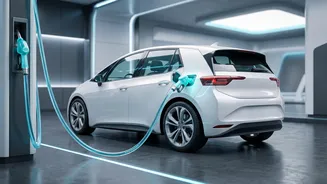
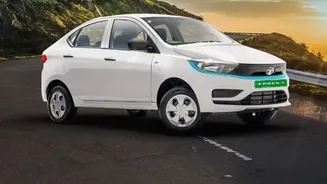
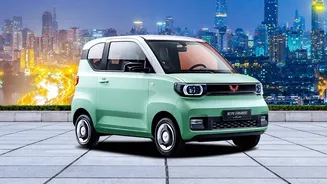
While the long-term future of mobility is widely seen as electric, CNG is positioning itself as a critical 'transition fuel'. It offers a cleaner alternative to petrol and diesel, with lower carbon emissions, helping India move towards its environmental goals. It also reduces the country's heavy reliance on imported crude oil. From a policy perspective, the government has encouraged its adoption by setting targets to expand the CNG station network significantly by 2030. However, the rise of Electric Vehicles poses a long-term challenge. EVs offer even lower running costs and zero tailpipe emissions, but are currently hampered by high upfront prices and range anxiety for many potential buyers. For now, CNG fills the gap, providing an affordable and cleaner alternative that is available today.
Challenges on the Road Ahead
Despite its success, the path for CNG is not without bumps. The issue of reduced boot space, though addressed by some manufacturers, remains a concern for many buyers. Performance can also be slightly lower when running on CNG compared to petrol. Furthermore, while the network has grown, drivers in some areas still face long queues during peak hours. Some experts also caution against a long-term fossil-fuel lock-in, arguing that sustained investment in CNG could slow the eventual transition to zero-emission transport. Policies in major cities like Delhi, which plan to phase out registrations of new non-electric two-wheelers and autos, signal the direction of future regulations.