

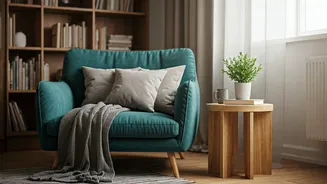


Collected vs. Decorated
First, let's draw the distinction. A 'decorated' room often feels like it was completed in a single shopping trip. The furniture matches, the colours are perfectly coordinated, and everything adheres to one specific trend. It can be beautiful, but it can also
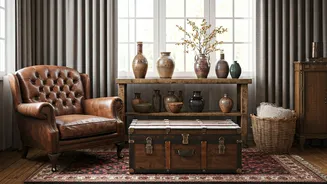
feel impersonal and static. A 'collected' room, on the other hand, feels like it has evolved over time. It’s a thoughtful accumulation of items you love—pieces from your travels, family hand-me-downs, flea market finds, and modern essentials. It has depth, character, and personality. This is where 'patchwork' thinking comes in. It’s not about just quilts; it’s a design philosophy about skilfully layering different styles, patterns, and textures to create a cohesive and deeply personal whole.
The Golden Rule: Unify with Colour
The biggest fear when mixing patterns is creating visual chaos. The single most effective way to avoid this is to establish a clear colour palette. When your various patterns and textiles share a common colour story, they will feel connected rather than clashing. You can approach this in a few ways. A monochromatic scheme, using various shades and tints of a single colour (like blues, from navy to sky), allows for wild pattern play. Alternatively, choose a palette of three to four complementary colours—say, blush pink, olive green, and ochre—and ensure each pattern you introduce contains at least one of those hues. This through-line of colour acts as the glue that holds your patchwork design together, making it feel intentional and sophisticated.
Play with Pattern Scale
Another key principle is to vary the scale of your patterns. If you have a large-scale floral on your curtains, don’t pair it with another large-scale floral on your sofa. The patterns will compete for attention and overwhelm the space. Instead, a successful combination involves mixing large, medium, and small-scale prints. Think of it as a hierarchy. Let one large, bold pattern be the star of the show—perhaps on a statement rug or an armchair. Then, support it with medium-scale patterns, like a geometric print on cushions. Finally, add in small-scale, subtle patterns, such as a pinstripe on a throw blanket or a delicate motif on a lampshade. This variation in scale creates visual rhythm and allows the eye to move comfortably around the room, appreciating each element without feeling overwhelmed.
Mix Textures and Eras
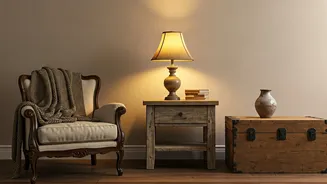
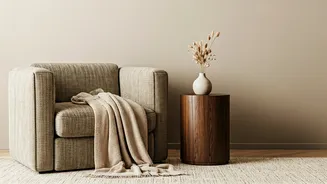
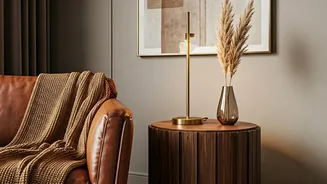
A truly collected look isn’t just about visual patterns; it’s about tactile ones, too. Texture is the secret weapon that adds warmth, depth, and a lived-in quality to a room. Think about combining a smooth leather sofa with chunky knit throws, a rustic wooden coffee table on a soft wool rug, and velvet cushions next to crisp linen ones. These contrasts engage the senses and prevent the room from feeling flat. Similarly, don’t be afraid to mix furniture from different eras and styles. A sleek, modern dining table can look incredible when surrounded by vintage cane-back chairs. An antique chest of drawers can serve as a perfect anchor in a contemporary bedroom. This blend of old and new is the essence of a collected home—it suggests a history and a story that has been built layer by layer.
Start Small and Build Slowly
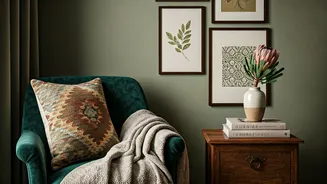
Adopting a patchwork approach doesn't require a complete overhaul. The beauty of this philosophy is that it’s meant to be gradual. Start small. Introduce a few new cushions with different patterns to your sofa. Drape a contrasting throw over a neutral armchair. Hang a small gallery wall featuring art of different styles and frame types. Focus on textiles first, as they are a low-commitment way to experiment with pattern and colour. A new rug, a set of curtains, or even new upholstery on a dining chair can completely transform the feeling of a space. As you gain confidence, you can begin layering in larger pieces. The key is to choose things you genuinely love, not just items that 'match'.