




The El Niño-Monsoon Connection
El Niño is a natural climate phenomenon characterized by the warming of sea surface temperatures in the central and eastern Pacific Ocean. Though it originates thousands of kilometres away, it has a profound impact on global weather, and for India, its
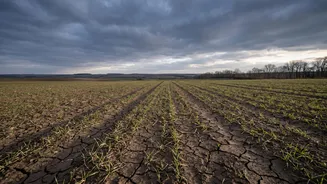
primary effect is the disruption of the southwest monsoon. This monsoon is the lifeblood of India’s agriculture, accounting for about 70% of the country's annual rainfall. A strong El Niño often correlates with weaker monsoon rains, leading to prolonged dry spells and drought-like conditions. Forecasts for 2026 indicate a significant strengthening of El Niño, with India already facing a monsoon rainfall deficit of around 15% below the long-term average as of September. Experts warn this could be the driest season since 2009, creating immense pressure on water resources and setting the stage for a difficult agricultural year.
Thirsty Crops Under Threat
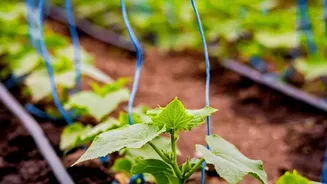
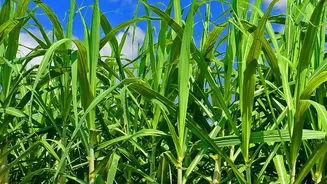
The prospect of reduced rainfall puts immense pressure on India’s most water-intensive crops, which form the backbone of the nation's food supply and agricultural economy. Rice and sugarcane are prime examples. Paddy cultivation, in particular, is highly dependent on consistent water supply, and a weak monsoon directly impacts sowing and yield. Similarly, sugarcane is a notoriously thirsty crop that consumes millions of litres of water per hectare. In states like Maharashtra, a shift towards sugarcane cultivation in semi-arid regions has already strained groundwater resources. Cotton is another major cash crop that, despite the development of more resilient varieties, is vulnerable to water stress. With planting for key crops like rice and sugarcane already trailing previous years' levels due to the weak monsoon, the risk to output is significant and could fuel food inflation.
A Shift Towards Resilient Grains
In response to water scarcity, farmers and agricultural bodies are increasingly looking towards hardier, drought-resistant alternatives. Millets, such as bajra (pearl millet) and jowar (sorghum), are emerging as critical substitutes. These 'nutri-cereals' have deep root systems that allow them to thrive in arid conditions with significantly less water than rice or wheat. Bajra, for instance, can survive on as little as 350-400 mm of annual rainfall. Pulses like moong (green gram) and chickpea also offer a viable alternative, as they have shorter growing cycles and are better suited to regions with limited irrigation. The Indian government has been actively preparing contingency plans, urging states to revise district-level strategies and ensure the availability of seeds for alternative crops in anticipation of El Niño's impact. This push is not just a short-term reaction but part of a larger strategy to make Indian agriculture more climate-resilient.
Economic and Policy Implications
The change in cropping patterns is not merely an agricultural adjustment; it carries wide-ranging economic consequences. A weak monsoon directly impacts farmers' incomes, leading to reduced rural demand for goods like tractors and two-wheelers. Lower crop yields can also lead to food shortages, putting upward pressure on consumer prices and overall inflation. Food inflation is already a concern, and a poor harvest could worsen the situation. Recognizing these risks, the government is preparing measures to mitigate the impact, including creating contingency plans for over 200 vulnerable districts and encouraging the adoption of climate-resilient agricultural practices. The focus is on integrated farming and achieving greater self-reliance in pulses and oilseeds, which are often imported. The El Niño event is acting as a catalyst, accelerating a necessary conversation about long-term water management and agricultural sustainability.