







The Invisible Attack on Your Skin
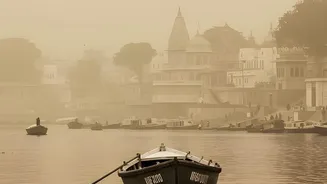
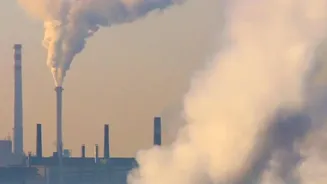
Delhi's air is a complex mix of particulate matter (PM2.5), ozone, nitrogen dioxide, and other pollutants from traffic and industry. These particles are incredibly small, some up to 30 times smaller than the width of a human hair. They don't just sit
on your skin; they can penetrate its outer layer, triggering a cascade of damage. This process, known as oxidative stress, generates unstable molecules called free radicals that break down collagen and elastin, the proteins responsible for keeping skin firm and youthful. The result is not just a temporary dullness but a measurable acceleration of aging, leading to premature wrinkles, fine lines, and loss of elasticity. Beyond aging, this constant environmental assault weakens the skin's protective barrier, leading to dryness, irritation, redness, and increased sensitivity. It can also provoke inflammatory conditions like acne, eczema, and rosacea.
Sunscreen: Your Unexpected Pollution Shield
It might seem counterintuitive to reach for sunscreen on a smoggy day when the sun is barely visible, but it's one of the most critical steps you can take. The relationship between ultraviolet (UV) radiation and air pollutants is synergistic; together, they amplify the damage to your skin. UV rays can make your skin more vulnerable to the harmful effects of pollutants, and vice-versa. Sunscreen's primary job is to block this UV radiation. By doing so, you're not just preventing sunburn, you're cutting off one half of a powerful damaging duo. Furthermore, many sunscreens, particularly mineral-based ones containing zinc oxide or titanium dioxide, can form a physical barrier on the skin's surface. While not specifically designed to block particulate matter, this shield can help prevent some pollutants from settling in and penetrating the pores. Think of it less as a perfect seal and more as a crucial first line of defense that reduces the total environmental burden your skin has to carry each day.
How to Choose the Right Sunscreen
Not all sunscreens are created equal in the fight against urban pollution. For daily defense in a city like Delhi, your non-negotiable starting point is a 'broad-spectrum' formula with an SPF of 30 or higher. Broad-spectrum means the product protects against both UVA rays (which cause aging) and UVB rays (which cause burning). Beyond this basic requirement, look for sunscreens that are marketed as 'anti-pollution'. These formulas are often enhanced with a higher concentration of antioxidants to help neutralize free radicals directly on the skin. The texture is also important; a lightweight, non-greasy formula is less likely to feel heavy or trap grime on the skin's surface. For maximum benefit, apply sunscreen generously to all exposed skin as the last step of your morning skincare routine, even on cloudy days and even if you're mostly indoors near a window.
Beyond the Bottle: A Complete Defense Strategy
While sunscreen is a hero product, it can't do the job alone. A holistic skincare routine is essential for truly protecting your skin from pollution's impact. The most important step at the end of the day is a thorough cleanse. Pollutants, makeup, and oil accumulate on your skin and must be washed away. Many dermatologists in high-pollution areas recommend 'double cleansing'. This involves using an oil-based cleanser first to break down stubborn, oil-soluble impurities like sunscreen and sebum, followed by a gentle water-based cleanser to wash everything away without stripping the skin of its natural moisture. Another key ally is a topical antioxidant serum, applied in the morning before your sunscreen. Ingredients like Vitamin C, Vitamin E, and niacinamide are powerful antioxidants that work to neutralize the free radicals that your sunscreen can't block. This combination of an antioxidant serum and a broad-spectrum sunscreen provides a much more comprehensive shield against environmental damage than either product could on its own.