





The Tempting but Risky Shortcut
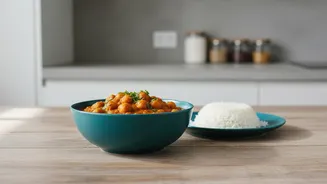
We’ve all been there. You have a small portion of a previously reheated dish—say, some dal or sabzi—and a larger, cooler portion of the same dish, perhaps freshly cooked or just out of the fridge. The instinct to combine them into a single container for
another round of heating is strong. It feels efficient and helps reduce the number of dishes to wash. However, this seemingly clever kitchen hack is one that food safety experts strongly advise against. Mixing foods of different temperatures, especially when one has already been heated and cooled, creates an environment where harmful bacteria can thrive, putting you at risk of foodborne illness.
Understanding the 'Temperature Danger Zone'
The core of the issue lies in something called the 'Temperature Danger Zone'. Food safety agencies worldwide define this as the temperature range between 4°C and 60°C. Within this zone, bacteria like Salmonella, E. coli, and Staphylococcus aureus can multiply rapidly. In fact, their numbers can double in as little as 20 minutes when conditions are favorable. Keeping perishable food either cold (below 4°C) or hot (above 60°C) is the most effective way to prevent this dangerous growth. When food is left at room temperature for more than two hours, it spends too much time in this danger zone, significantly increasing the risk of contamination.
Why Mixing Temperatures Is a Recipe for Trouble
When you take a portion of food that has been properly reheated (to an internal temperature of at least 74°C, which kills most bacteria) and mix it with a cooler portion, the overall temperature of the mixture drops. This new, lukewarm temperature is very likely to fall squarely within the danger zone. The previously heated portion, which might have picked up some bacteria during its time in the fridge or on the counter, now provides the perfect warm, moist environment for those bacteria to flourish. The fresh or cold portion lowers the temperature enough to encourage growth but isn't cold enough to stop it. You are essentially creating an incubator for pathogens in your meal.
More Than Just Bacteria: The Impact on Quality
Beyond the significant health risks, this practice also compromises the quality of your food. Repeated cycles of heating and cooling can destroy the texture and flavour of a dish. Proteins can become tough, vegetables can turn to mush, and the overall taste can become bland or unappetizing. Furthermore, reheating food more than once is generally not recommended by food safety experts. Each time food is cooled and reheated, it passes through the temperature danger zone, increasing the opportunity for bacterial growth. Some bacteria can even produce heat-resistant toxins that won't be destroyed by another round in the microwave or on the stove.
The Safe and Smart Way to Handle Leftovers
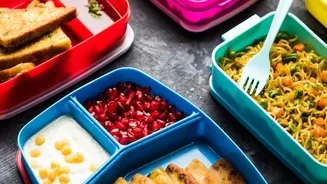
To keep your food safe and delicious, it's best to adopt a few simple habits. First, when storing leftovers, cool them as quickly as possible—ideally within two hours of cooking. To speed this up, divide large batches of food into smaller, shallow containers before placing them in the refrigerator. When it comes time to eat, only reheat the portion you plan to consume immediately. Always heat leftovers thoroughly until they are steaming hot throughout, reaching an internal temperature of at least 74°C (165°F). If you have multiple portions of the same leftover dish, store them separately and only combine them when they are both piping hot, just before serving. This ensures that the entire meal stays safely outside the temperature danger zone.