



A Wall of Water Descends
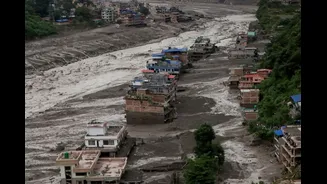
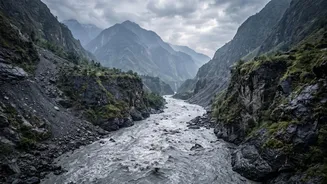
On the morning of August 26, 2026, communities along the Bhote Koshi River near Nepal's border with Tibet were engulfed by a sudden, catastrophic flash flood. Without the warning of heavy rains, a violent surge of water the colour of wet cement tore through
towns and villages, destroying homes, bridges, and hydropower plants. The devastation was swift and widespread, with authorities reporting at least 160 fatalities in Nepal and China, and hundreds more, including many foreign tourists, declared missing. Initial confusion surrounded the trigger, with early reports suggesting an earthquake. However, scientists quickly corrected the record, pointing to a far more alarming cause originating high in the mountains.
Anatomy of a Disaster
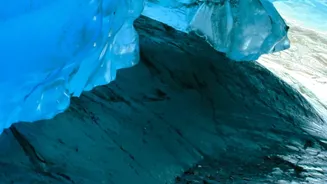
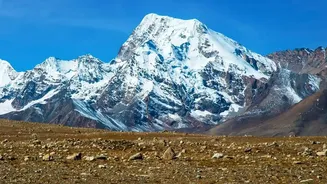
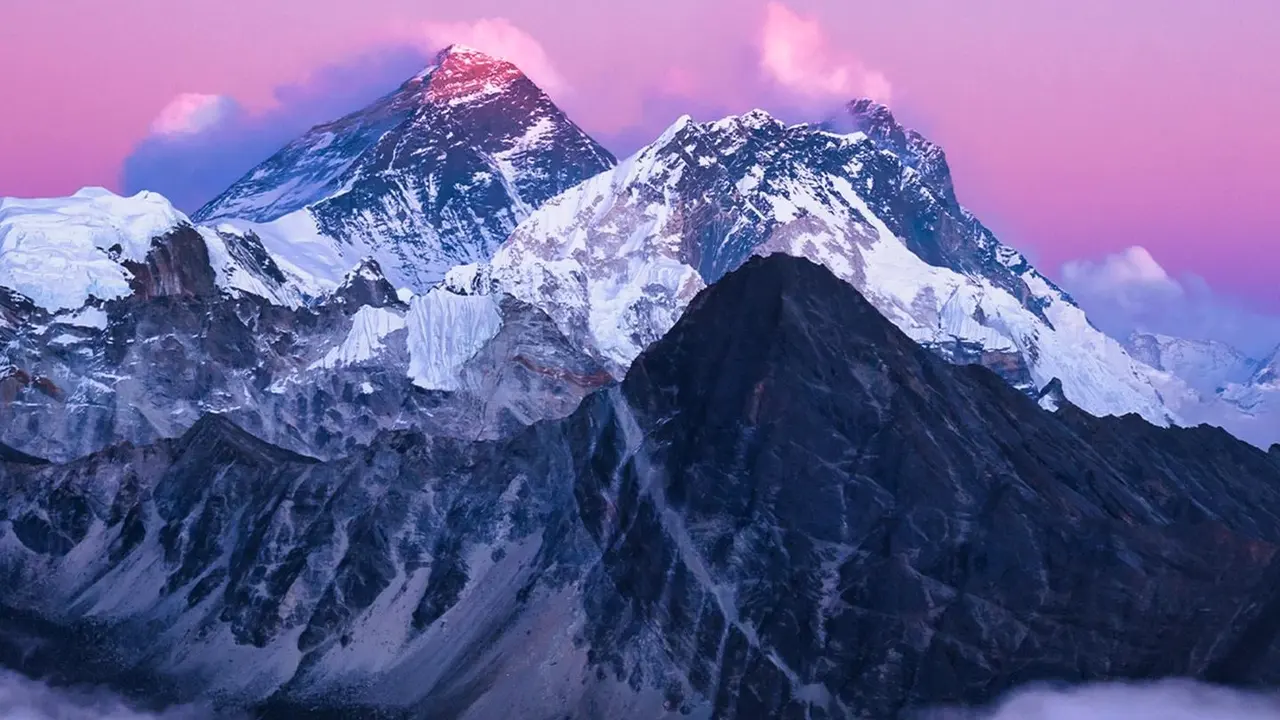
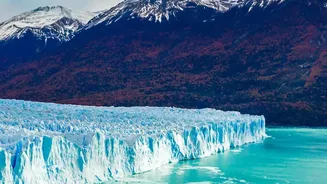
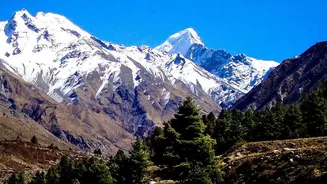
Experts now believe the disaster was initiated by a massive piece of a glacier breaking off a mountainside at an altitude of about 5,200 metres. This colossal block of ice and rock, estimated to be 2,000 feet wide, plummeted nearly 4,000 feet into the valley below. The immense energy of the fall pulverized the ice, creating a fast-moving avalanche of rock, ice, and water. This debris flow likely blocked the Lhende River, a tributary in the area, creating a temporary dam. When the dam inevitably burst under the pressure of the accumulating water, it released the sudden, ferocious flood wave that caused such widespread destruction downstream. The United States Geological Survey confirmed that the seismic signals it detected were not from an earthquake, but were generated by the massive force of the glacier collapse and subsequent debris flow itself.
The Climate Change Connection
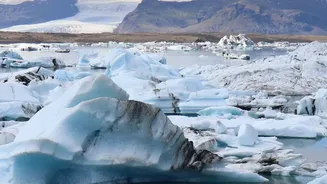
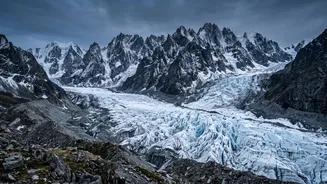
While the immediate trigger was the glacier's collapse, the underlying cause points to a planet in distress. The Himalayan region is warming at a rate faster than the global average. A United Nations report in 2023 noted that Nepal's glaciers melted 65% faster in the previous decade compared to the one before it. This accelerated melting does two things: it thins the glaciers, making them structurally weaker and more prone to collapse, and it leads to the formation and expansion of glacial lakes. These lakes, often dammed by unstable moraines of loose rock and sediment, are a ticking time bomb. An event like a rock or ice avalanche can easily trigger a Glacial Lake Outburst Flood (GLOF), a phenomenon that has become increasingly frequent across the Himalayas.
A Shared Threat for the Subcontinent
The tragedy in Nepal is not an isolated incident but a stark warning for the entire Hindu Kush-Himalayan region. These mountains, which are the headwaters for major rivers like the Ganges, provide fresh water for hundreds of millions of people in Nepal, India, China, and Bangladesh. The increasing instability of the glaciers threatens not only mountain communities with disasters like GLOFs but also downstream populations with long-term water insecurity. As glaciers retreat, river flows may initially increase, but they are projected to decrease significantly in the long run, impacting agriculture, drinking water, and hydropower generation—a key part of Nepal's economy. The disaster highlights the urgent need for better cross-border monitoring, early warning systems, and collaborative action to mitigate the shared risks posed by a rapidly warming climate.