
The Mighty Return of Millets
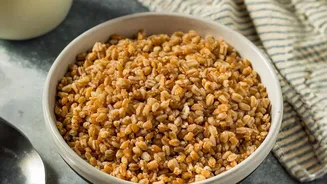
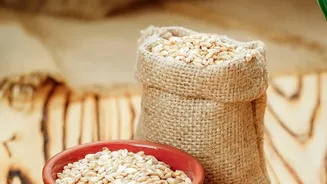
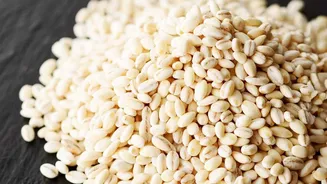
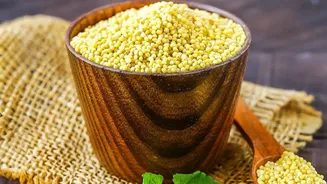
Once a staple in Indian households, millets are experiencing a significant resurgence, and for good reason. These ancient grains are nutritional powerhouses, naturally gluten-free, and packed with nutrients often lacking in more processed cereals. Millets
are an excellent source of dietary fibre, which aids digestion and promotes a feeling of fullness, potentially helping with weight management. They are rich in essential minerals like magnesium, iron, and phosphorus. For instance, finger millet is a fantastic vegetarian source of calcium, while pearl millet boasts high iron content. Their high fibre content and low glycaemic index make them a particularly smart choice for those managing blood sugar levels. Unlike polished white rice, millets provide a slow release of energy, helping to avoid the dreaded post-meal slump.
The Genius of One-Pot Cooking
The beauty of a pulao lies in its one-pot simplicity, a method that is both time-saving and nutrient-preserving. The concept involves layering flavours and ingredients in a single vessel, from tempering whole spices to sautéing vegetables and finally cooking the grains. This technique ensures that all the flavours meld together beautifully, creating a dish that is far more complex in taste than the effort it requires. Furthermore, because everything cooks in the same pot, valuable water-soluble vitamins from the vegetables are retained in the dish rather than being discarded with cooking water. For a busy weeknight, this means fewer dishes to wash and a complete, balanced meal ready in a fraction of the time it would take to prepare multiple components separately.
Building a Nutrient-Dense Pulao
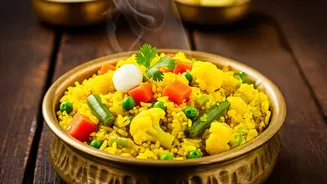
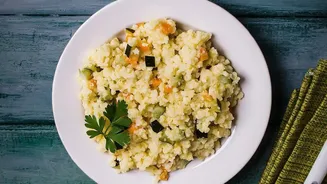
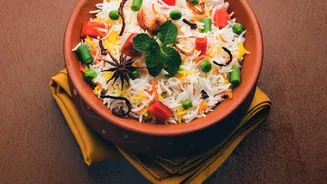
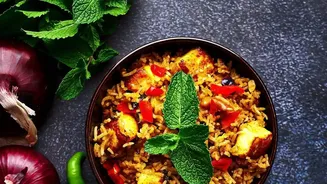
A great millet pulao is a canvas for a variety of healthy ingredients. The star, of course, is the millet—foxtail, kodo, or barnyard varieties all work wonderfully. These grains provide a fluffy, nutty base. The next layer is a vibrant mix of vegetables. Carrots, beans, green peas, and bell peppers are common additions, each contributing its own set of vitamins, minerals, and antioxidants. The flavour foundation is built with aromatic whole spices like cinnamon, cloves, bay leaves, and cumin seeds, which are gently tempered in ghee or oil. Many of these spices also offer health benefits, such as anti-inflammatory properties. Finally, a simple ginger-garlic paste and perhaps some fresh mint and coriander leaves add a burst of freshness and digestive benefits.
Tips for Perfect Millet Pulao
Cooking millets can seem intimidating, but a few simple tips ensure a fluffy, delicious result every time. While some recipes suggest soaking millets for a few hours to improve digestion and reduce cooking time, others note that certain varieties like foxtail millet cook quickly without soaking. A good rule of thumb for a fluffy texture is a 1:2 ratio of millet to water. Start by heating ghee or oil in a pressure cooker or heavy-bottomed pot. Temper your whole spices until fragrant, then sauté onions until golden. Add ginger-garlic paste, followed by your chopped vegetables. Stir in the rinsed and drained millet, sautéing for a minute to toast the grains. Add the water and salt, bring to a boil, and then cook covered on low heat or pressure cook for about two whistles on a medium-low flame. Crucially, let the pulao rest for about 10 minutes after cooking before fluffing it gently with a fork. This allows the grains to firm up and separate.
Endless Variations for Every Palate
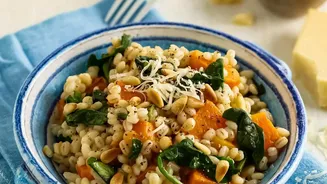
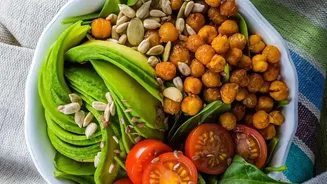
Your millet pulao can be easily adapted to suit your taste or whatever you have in the fridge. For a protein boost, add paneer cubes, cooked chickpeas, or even soya chunks. A handful of cashews or peanuts can add a delightful crunch and healthy fats. To change the flavour profile, you can experiment with different spice blends like pav bhaji masala or a pinch of biryani masala for a richer taste. A final squeeze of lemon juice before serving can brighten all the flavours, while a side of cooling raita (yoghurt dip) provides a perfect, creamy contrast to the spiced grains.