







Moving Beyond the Usual
Step into a trendy cafe in Mumbai, Delhi, or Bengaluru today, and the menu might look a little different. The once-ubiquitous butter chicken and paneer tikka masala still exist, but they are no longer the undisputed stars of the show. Instead, you are just
as likely to find dishes that speak of specific regions, once confined to home kitchens and local communities. This shift marks a growing confidence in India’s vast culinary landscape. Diners and chefs are collectively moving away from a single, homogenous idea of 'Indian food'—one largely defined by North Indian, Mughlai, and Punjabi staples—and embracing a more diverse, authentic, and nuanced representation of the country's palate. This isn't about rejecting classics, but rather expanding the definition of what Indian food can be in a modern, public setting.
The Small Plate Advantage
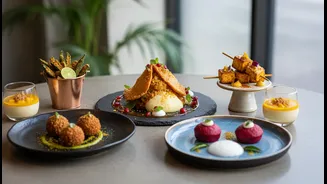
This culinary exploration has found its perfect partner in the small plate format. Borrowing from the Spanish tapas concept, small plates encourage sharing, experimentation, and variety. For diners curious about a complex Bihari dish or a tangy coastal flavour but unwilling to commit to a full main course, a small plate is the ideal introduction. This format allows cafes to present a wider array of regional specialities on a single menu. It transforms the dining experience from a predictable meal into a journey of discovery. One table can now travel from the smoky flavours of the Northeast to the coconut-infused dishes of Kerala, all in one sitting. For chefs, it’s a canvas for creativity, allowing them to deconstruct traditional recipes and present them in an accessible, modern format without losing their soul.
A Tour of Tastes
This trend is bringing lesser-known cuisines to the forefront. Bihari food, once dismissed as rustic, is experiencing a gourmet renaissance. Delhi cafes like The Potbelly have championed dishes like Litti Chokha, a roasted wheat ball stuffed with sattu, and presented it alongside a variety of flavourful accompaniments, proving that the cuisine has a depth far beyond one dish. In Mumbai, restaurants such as O Pedro are celebrating the sunny, vibrant flavours of Goa, while others, like Masque, are creating tasting menus that highlight hyperlocal ingredients from across the country, including unique produce from the Himalayas and the North East. These establishments are proving that regional food, from fiery Goan curries to subtle Bengali preparations, can be both authentic and sophisticated.
The Chefs Leading the Charge
Behind this movement is a new generation of Indian chefs. Many are turning inward for inspiration, looking to their own heritage and family recipes. They are less interested in fusion for novelty's sake and more focused on telling a story with their food. The new luxury is not an imported ingredient but a perfectly sourced heirloom grain or a spice blend from a specific village. These culinary curators are meticulous about provenance, building relationships with farmers and producers to bring unique, high-quality indigenous ingredients into their kitchens. This ingredient-driven approach ensures that even as the presentation becomes modern, the flavours remain deeply rooted in tradition. They are reviving forgotten recipes and celebrating the techniques—be it smoking, fermenting, or slow-cooking—that define India's diverse culinary identity.