

Witness the Athachamayam Procession
To see Onam kick off in grand style, head to the historic town of Tripunithura, near Kochi. The Athachamayam procession, held on the first day of Onam (Atham), marks the official start of the ten-day festival. This vibrant parade is a living museum of Kerala's
culture, tracing its roots to the march of the Maharaja of Cochin. Today, the streets come alive with caparisoned elephants, thunderous percussion ensembles (melam), and dozens of traditional art forms. You’ll see everything from Kathakali and Theyyam performers to folk dances like Kavadiyattam and Pulikali in one spectacular display. The procession begins at the Tripunithura Boys High School ground and weaves through the town, offering a kaleidoscopic introduction to the festive week ahead. For 2026, the festivities begin on August 16.
Feel the Roar of the Puli Kali
On the fourth day of Onam, the city of Thrissur erupts in a riot of colour and rhythm for the Puli Kali, or 'Tiger Dance'. This folk art spectacle, over 200 years old, features hundreds of performers with their bodies meticulously painted as tigers and leopards. The artists, representing different local troupes (deshams), dance through the streets to the powerful beat of traditional drums like the chenda. The main event unfolds at Swaraj Round, where the troupes compete for the prize of the best-painted tiger and best dance. It’s a boisterous, joyful, and slightly chaotic celebration of raw energy. For 2026, the Puli Kali is scheduled for August 29 in Thrissur. The procession starts in the late afternoon and continues well into the evening, drawing massive crowds.
Cheer at a Vallam Kali Snake Boat Race
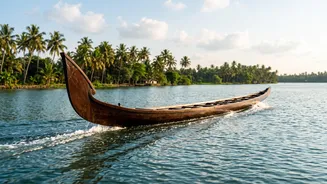
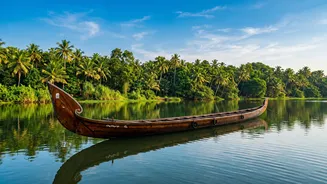
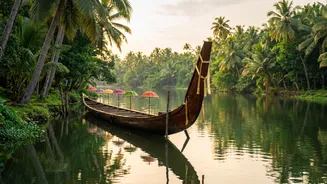
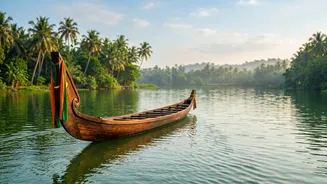
While not exclusive to Onam, many of Kerala’s most famous Vallam Kali (snake boat races) are held during the festival season. These races are a breathtaking display of teamwork, power, and rhythm, as over 100 oarsmen paddle in perfect synchronisation. The most prestigious event, the Nehru Trophy Boat Race, takes place on Punnamada Lake in Alappuzha. In 2026, this major race is scheduled for August 22. Other significant races during the Onam period include the Payippad Boat Race (August 28) and the Aranmula Uthrittathi Vallamkali (August 30). The air fills with the chants of the Vanchipattu (boat songs) that guide the rowers' strokes, creating an electric atmosphere for spectators lining the banks.
Indulge in a Grand Onam Sadhya
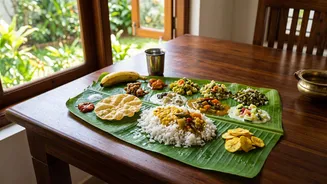
No Onam experience is complete without partaking in the Onam Sadhya, a magnificent vegetarian feast served on a banana leaf. While many families prepare it at home, experiencing an authentic Sadhya at a traditional restaurant or as part of a community celebration is a must. This elaborate meal features anywhere from 20 to over 30 dishes, showcasing a spectacular range of flavours—from sweet and sour to spicy and savoury. Key dishes include parippu curry (lentil stew), sambar, avial (mixed vegetables in coconut), thoran (stir-fried vegetables), pachadi (yoghurt-based curries), and a variety of pickles and chips. The feast culminates with delicious payasam (sweet pudding). In cities like Trivandrum, Kochi, and Chennai, restaurants like Mothers Veg Plaza and Kappa Chakka Kandhari are renowned for their authentic spreads.
Experience the Grace of Kaikottikali
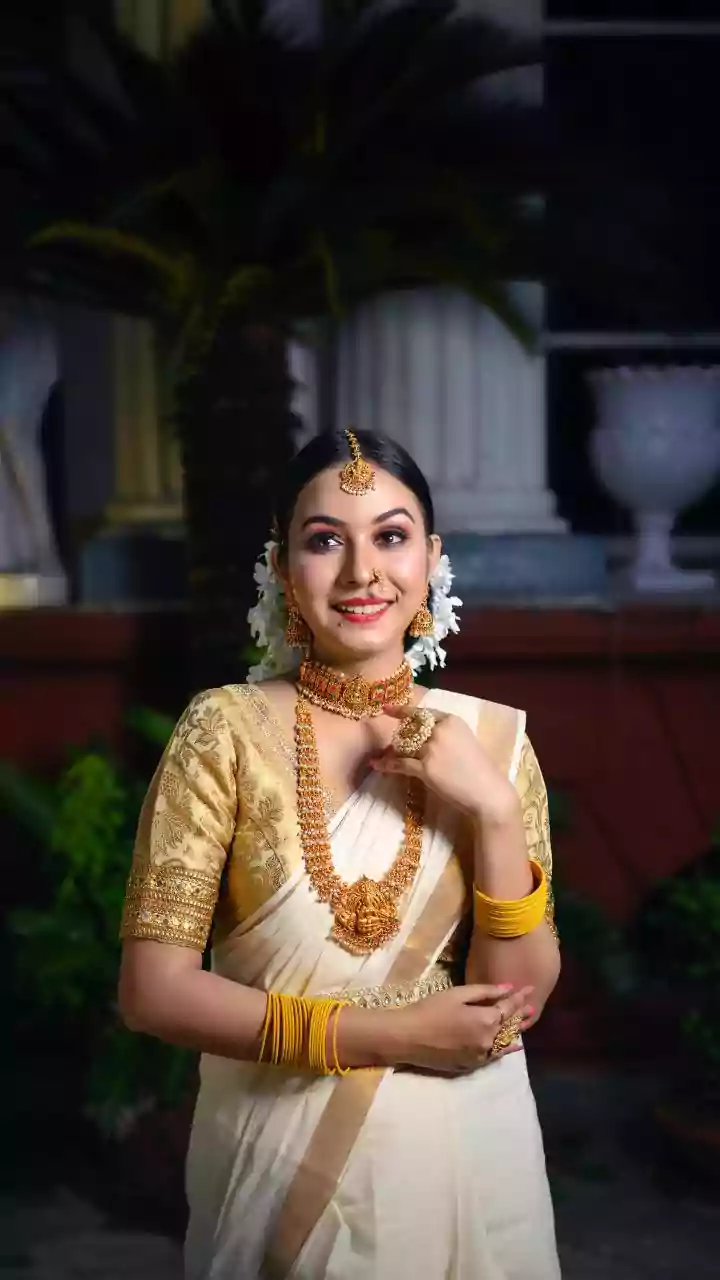
A more serene but equally beautiful part of Onam is the Kaikottikali (also known as Thiruvathirakali), an elegant dance performed by women. Dressed in traditional white and gold kasavu sarees with jasmine flowers in their hair, groups of women dance in a circle around a lit lamp (nilavilakku). The dance is characterized by gentle, graceful movements and rhythmic clapping, performed to the tune of folk songs that often tell stories of love and devotion. While it's performed for other festivals as well, during Onam, the songs are often in praise of King Mahabali. You can witness these performances at community gatherings, temple functions, and cultural events organized across the state during the festival week.