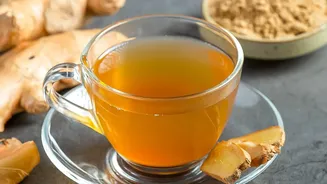








The festive lights have dimmed, but a familiar post-Diwali companion often lingers: a persistent cough. As air quality dips, many turn to a beloved home remedy—a warm, comforting bowl of Besan Sheera. But what is it about this dish that works?
The Golden Glow of a Kitchen Remedy
Besan Sheera,
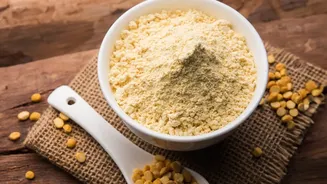
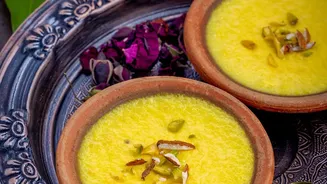
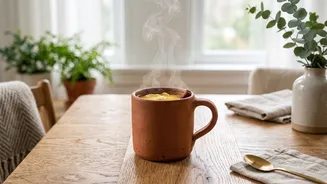
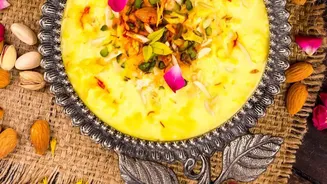
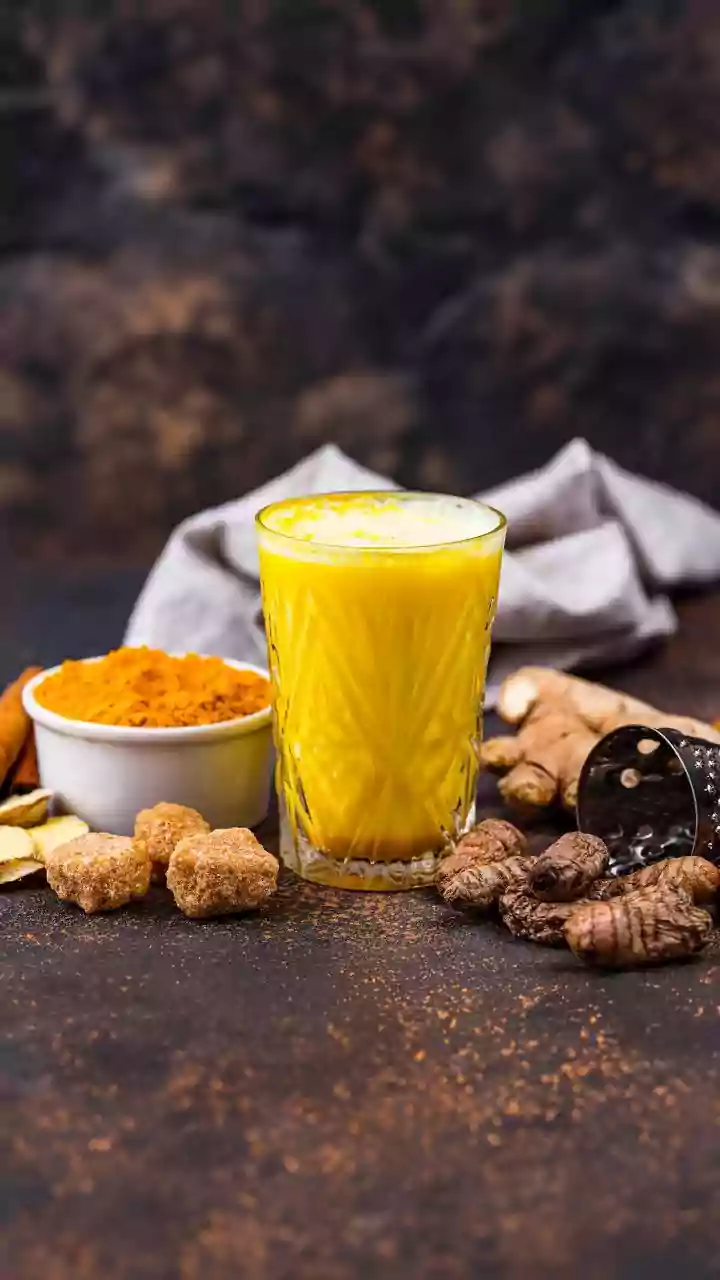
popular in North Indian households, is a warm, semi-thick pudding-like beverage. It is made by slowly roasting besan (gram flour) in a generous amount of ghee until it releases a nutty aroma and turns a beautiful golden-brown. This mixture is then cooked with milk or water, sweetened with jaggery or sugar, and often spiced with cardamom, turmeric, and a pinch of black pepper. Served hot, typically before bed, it is a cherished comfort food, especially during the colder months or when someone is feeling under the weather. Its consistency can be adjusted from a thick, spoonable halwa to a more liquid, drinkable porridge, depending on preference.
Why After Diwali? The 'Festival Flu'
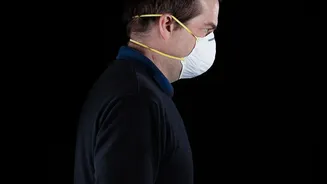
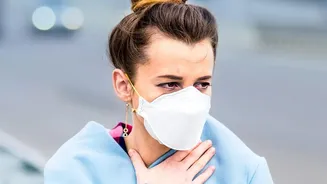
The timing is no coincidence. Post-Diwali often sees a spike in respiratory issues, sometimes dubbed the 'festival flu'. This is due to a combination of factors: the sudden change in weather, and a sharp increase in air pollution from firecracker smoke. This smoke contains fine particulate matter (PM2.5) and other irritants that can inflame the respiratory tract, leading to dry coughs, throat irritation, and breathing discomfort, particularly in children and those with pre-existing conditions like asthma. Hospitals in cities like Delhi often report a significant rise in patients with respiratory distress right after the festival. In this context, the tradition of turning to a warm, soothing food like Besan Sheera makes perfect sense.
Breaking Down the Soothing Ingredients
The magic of Besan Sheera lies in its wholesome ingredients, each offering a form of comfort. Ghee, or clarified butter, is known for its ability to lubricate and form a soothing layer over an irritated throat. Besan itself is a nutritional powerhouse; a gluten-free flour rich in protein, fibre, and antioxidants. The protein provides energy when you're feeling run down, while some believe the antioxidants help in clearing the nasal tract. Spices like turmeric contain curcumin, which has anti-inflammatory properties, and black pepper is said to have antibacterial effects. Cardamom can act as a natural decongestant, and the overall warmth of the drink provides immediate comfort from congestion. It is a blend designed to nourish and soothe.
Soothing Food vs. Medical Cure
Herein lies the crucial distinction. Besan Sheera is an excellent form of symptomatic relief. The warmth and ghee can calm an itchy throat, the liquid helps with hydration, and the nutrients provide energy. It makes you 'feel' better, which is a valuable part of recovery. However, it is not medicine. A home remedy can soothe symptoms, but it does not treat the underlying cause of an illness, such as a viral or bacterial infection. While the ingredients have beneficial properties, they are not potent enough to kill viruses or cure a respiratory infection. Thinking of it as a 'cure' can be misleading and potentially delay proper medical care if needed.
Knowing When to Call the Doctor
Enjoying Besan Sheera as a comforting tradition is wonderful, but it's vital to recognize its limits. A simple cough from smoke irritation might resolve on its own with rest and soothing foods. However, if a cough is severe, persistent (lasting more than a few days), is accompanied by wheezing, chest tightness, or a high fever, it's time to seek professional medical advice. This is especially true for children, the elderly, and individuals with chronic respiratory conditions. Over-the-counter cough medicines are generally not recommended for young children, making supportive care and knowing when to escalate to a doctor even more important. A doctor can diagnose the root cause and prescribe appropriate treatment, such as antibiotics for a bacterial infection, which a home remedy cannot address.