






The Promise of an AI Assistant
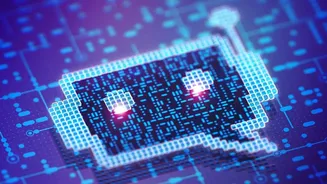
Imagine finishing a meeting and instantly receiving a clean transcript, a concise summary, and a neat list of action items. This is the core appeal of AI note-taking tools, which are rapidly becoming standard in workplaces. These tools function like an automated
assistant, joining your virtual meetings to record and process conversations. The main benefits are clear: a significant reduction in administrative work, the ability for participants to stay fully engaged in the discussion instead of typing furiously, and the creation of a searchable record of conversations. Recent surveys show Indian professionals are adopting AI tools at a rapid pace, with many reporting significant productivity gains and time savings. These tools are particularly effective for brainstorming sessions, project updates, and strategic planning meetings where capturing every detail is crucial.
The Risks of Flying on Autopilot
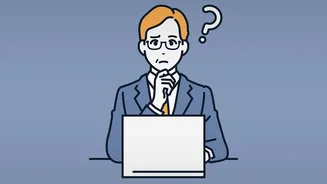
However, relying solely on an AI to take your notes is a risky strategy. These tools, while powerful, are not flawless and lack the contextual understanding that humans possess. They can misinterpret industry jargon, fail to grasp nuance in tone, and struggle with various accents, leading to inaccurate transcripts. One study found that while workers valued the time saved, nearly half were concerned about inaccuracy and loss of context. Furthermore, there are significant privacy and data security concerns. When a third-party AI tool records a meeting, sensitive company information or legally privileged discussions could be exposed, stored on external servers, or even used to train the AI model. This has led to a growing awareness that using these tools without proper safeguards can create significant legal and compliance risks.
The 'Human in the Loop' Strategy
The most effective approach is to treat the AI as a capable but junior partner that requires supervision. This is where “human oversight” becomes the most critical part of the process. Your role isn't replaced; it evolves from manual note-taker to editor-in-chief. Before a meeting, it's crucial to inform all participants that an AI tool will be used, explaining its purpose and getting their consent. This transparency builds trust and is considered an ethical best practice. During the discussion, it helps to clearly state agenda items or articulate key decisions and actions, as this provides a clearer structure for the AI to follow.
Your Post-Meeting Workflow
The real work of human oversight happens after the meeting ends. Instead of spending an hour deciphering your own handwriting, you now spend 15-20 minutes refining the AI's output. The first step is to review the transcript for any glaring errors in names, key terms, or decisions. Next, edit the AI-generated summary. While the AI can pull out key sentences, it can't capture the underlying mood or strategic importance of a point. Add your own insights, refine the tone, and ensure the summary reflects the true essence of the conversation. Finally, verify the action items. The AI might list a task but misattribute it or miss the deadline discussed. Your job is to confirm each task, assign it to the correct person, and add any necessary context before sharing it with the team. This review process transforms a raw, potentially flawed transcript into a reliable and valuable asset.