





Why Your Basic Label Is Failing You
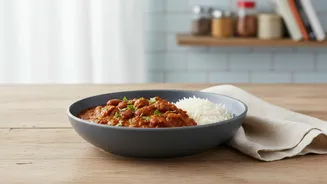
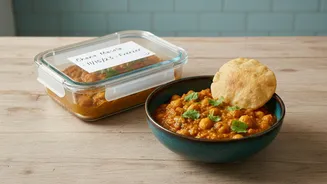
Scribbling a name and a date on a piece of tape feels like a victory for future you. But which date is it—the day it was made, or the day it should be eaten by? And is “curry” specific enough when you have three different types in there? This minimal
approach is often the reason we end up with freezer-burned mystery meals that get thrown away. An effective labelling system is the bridge between a well-stocked freezer and an easy weeknight dinner. It prevents food waste, makes meal planning effortless, and ensures you’re eating food when it's still at its best quality. Without clear information, you're more likely to toss something that might be perfectly good, contributing to food waste and costing you money.
The Anatomy of a Perfect Freezer Label
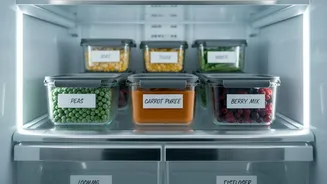
Moving beyond the basics is simple. A truly helpful label should act like a mini-instruction manual for your future self. For maximum clarity and usefulness, your label should include five key pieces of information. First, the specific dish name, such as “Palak Paneer” instead of just “paneer.” Second, the date it was frozen. Third, a “use by” date, which is crucial for rotating your stock. Though frozen food stays safe indefinitely, quality drops over time; soups and stews are best within 2-3 months. Fourth, include the number of servings or portions. Finally, add brief reheating instructions, like “Thaw and simmer” or “Microwave for 3 minutes.” This extra detail removes all guesswork later on.
Choosing Your Labelling Tools
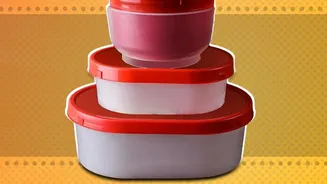
The best label in the world is useless if it falls off or smudges. Regular pens and sticky notes often fail in the cold, moist environment of a freezer. A permanent marker, like a Sharpie, is a reliable choice for writing on freezer bags and containers. Masking tape is a cheap and effective option that sticks well in the cold but can be removed easily. For those who prefer a cleaner look, consider investing in dedicated freezer labels. These are designed with special adhesives that remain flexible and sticky at low temperatures. There are even dissolvable labels that wash off completely in water, leaving no sticky residue on your reusable containers. Whatever you choose, apply the label to a dry, room-temperature container for the best adhesion.
Integrate Labels into a System
Great labels are most powerful when part of a larger organisational system. The number one rule of professional kitchens is easily adaptable for home use: FIFO, or “First-In, First-Out.” This simple principle means you always use the oldest items first. When you add new items to the freezer, place them at the back and move older items to the front. This ensures a constant rotation and prevents anything from getting lost in the icy depths for years. Some home organisers even use a colour-coding system, assigning different coloured bags or labels to different types of food like meat, vegetables, or cooked meals. This allows you to see at a glance what you have, making it even faster to find what you need.