

The Craving for a Natural Escape
In cities across India, from Mumbai to Bengaluru, professionals are increasingly seeking refuge from the concrete jungle within their own four walls. This isn't just about aesthetics; it's a wellness movement. The concept of biophilic design—integrating
nature into our indoor environments—has gained significant traction. Traditional Indian architecture has long incorporated elements like courtyards and verandahs, and today's urban dwellers are finding modern ways to honour this innate connection to nature. Studies have shown that the presence of indoor plants can reduce stress, lower cortisol levels, and improve concentration and mood. For a generation juggling deadlines and digital fatigue, coming home to a living, breathing space provides a much-needed mental reset.
Decoding the 'Low-Care' Planter
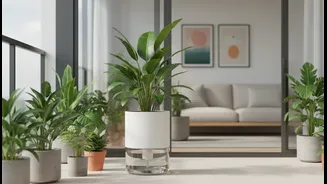
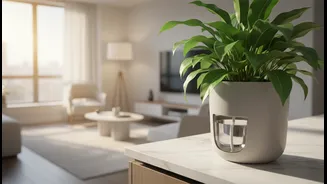
The secret to a thriving indoor garden for the time-poor is the technology of the planter itself. A 'low-care' planter is designed to do most of the work for you. The most popular type is the self-watering pot. These planters feature a built-in reservoir that stores water, delivering it to the plant's roots as needed through a wicking system, often a simple cotton rope or felt strip. This system prevents the two most common plant-care mistakes: overwatering and underwatering. Many come with a water-level indicator, removing all the guesswork. Most self-watering planters are made from lightweight, durable plastic, available in various designs to match home interiors. They provide a consistent moisture supply, which is perfect for many popular houseplants.
Choosing Your Resilient Green Companions
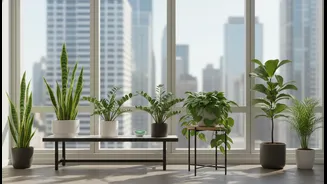
The right plant is just as crucial as the right planter. Thankfully, there is a wide array of hardy plants that are perfectly suited to both Indian climates and a forgetful owner. The Snake Plant is a top contender, known for its resilience in low light and with infrequent watering. The ZZ Plant is another nearly indestructible option, with waxy leaves that retain moisture well. For those who love trailing vines, the classic Money Plant (Pothos) is a fantastic choice that thrives in both soil and water. Other excellent low-maintenance options include the Peace Lily, which conveniently droops to tell you it's thirsty, the Spider Plant, and the ever-popular Rubber Plant. These plants not only survive but thrive with minimal intervention, making them ideal partners for a busy lifestyle.
Styling Your Green Oasis
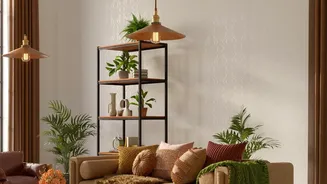
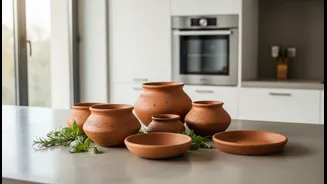
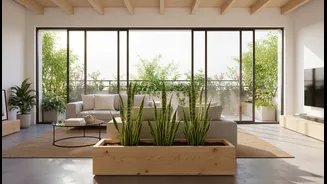
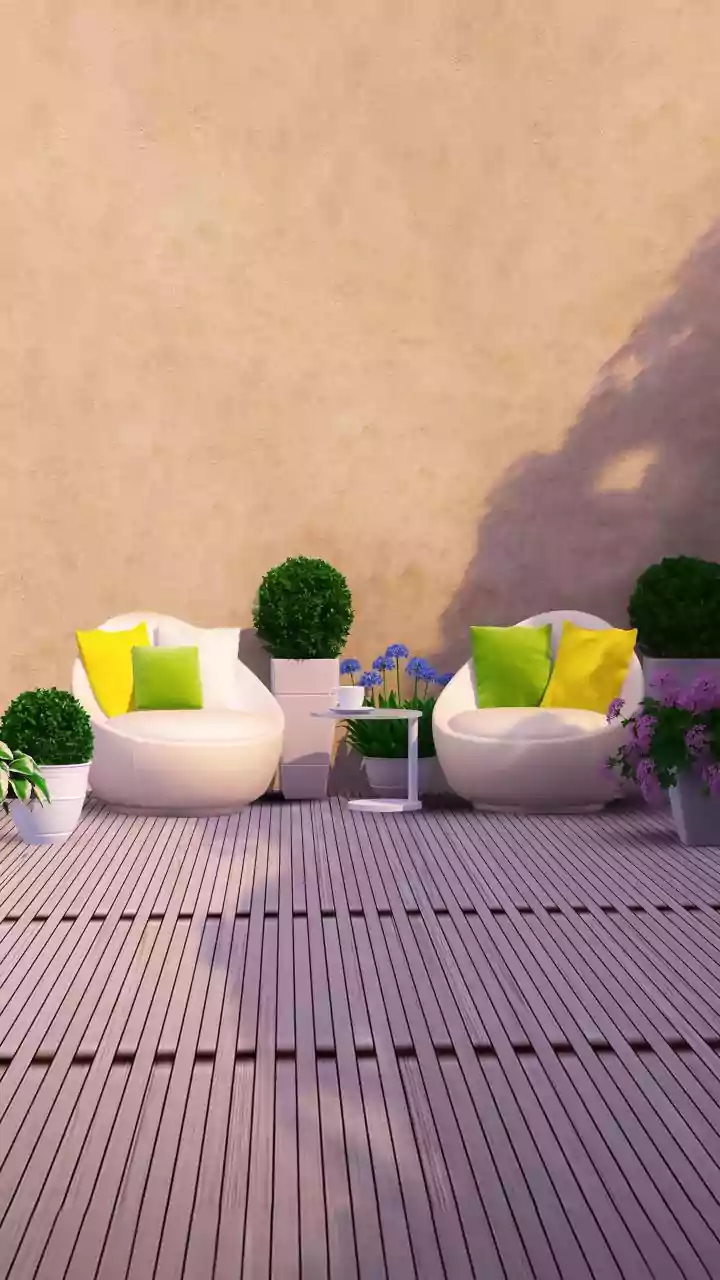
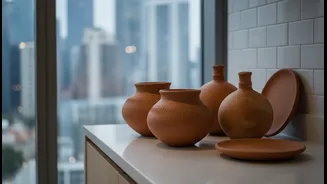
Integrating planters into your home decor is where the fun begins. Think of plants not just as accessories, but as living architectural elements. Use a tall Snake Plant in a sleek planter to add vertical interest to a living room corner. Create a 'living curtain' by placing a series of trailing Money Plants on a high shelf. Group smaller succulents and cacti on a windowsill or coffee table to create a miniature desertscape. Play with different planter materials like terracotta, ceramic, and jute to add texture and warmth to your space. By layering plants at different heights and combining various leaf shapes and colours, you can create a dynamic, personalised sanctuary that feels both curated and natural.