





A Hunger for Hygiene and Authenticity
For decades, Indian street food has been a vibrant, if informal, part of city life, celebrated for its bold flavours but often viewed with caution over hygiene. Today's urban consumer, however, wants the best of both worlds: the authentic taste of a hometown
favourite without the traditional concerns about cleanliness. This demand has created a perfect market opportunity. Clean, organised kiosks in high-traffic areas like metro stations, food courts, and business parks offer a solution that satisfies the modern palate. They provide the sensory delight of street food in an environment that feels safe, trustworthy, and convenient for a time-pressed generation. This shift reflects a broader consumer trend where quality, transparency, and hygiene are no longer negotiable, even for a quick snack.
The Rise of the Street Food QSR
This trend is being powered by the Quick Service Restaurant (QSR) model, which has proven immensely successful in India. Brands have realised that regional staples—from Mumbai's vada pav to Kolkata's rolls and Tibetan momos—can be standardised and scaled just like burgers and pizzas. By creating streamlined, 'chef-independent' kitchen systems, companies can ensure consistency in taste and quality across multiple outlets. This model, exemplified by success stories like Wow! Momo and Goli Vada Pav, turns beloved local snacks into formal, franchise-ready businesses. These organised chains benefit from lower operational costs and high customer turnover, making them a profitable venture in high-footfall locations that cater to on-the-go consumers.
A Taste of Home for a Migrant Population
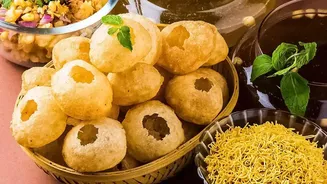
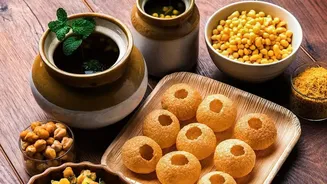
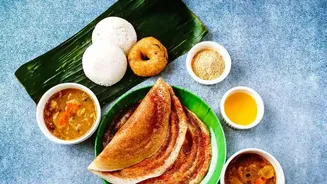
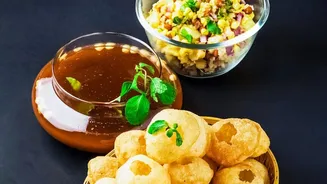
India's metros are melting pots, home to millions who have moved from smaller towns and different states for work and education. For this vast population, food is a powerful link to home and identity. A kiosk selling authentic pani puri or masala dosa is more than just a place to eat; it's a source of comfort and nostalgia. These organised food spaces cater directly to this emotional need, offering a familiar taste of home in an otherwise overwhelming urban landscape. The accessibility of these kiosks within daily transit hubs means a migrant professional or student can easily grab a bite that reminds them of their roots, making city life feel a little less distant and a lot more flavourful.
Formalising an Informal Economy
The transition of street food into organised spaces is also part of a larger story about formalising India's vast informal economy. For years, street vendors have operated in a legal grey area, often facing challenges related to licensing and space. Government initiatives like the PM SVANidhi Scheme and FSSAI's 'Clean Street Food Hub' program aim to provide vendors with better infrastructure, training, and certification. The emergence of branded kiosks aligns with these goals, offering vendors a pathway to legitimacy and stable income. While this doesn't solve all the challenges faced by independent vendors, it represents a significant step towards integrating them into the formal retail ecosystem, ensuring better standards and greater economic security.
Preserving Cuisine in a New Package
Some might argue that taking street food off the street dilutes its character. The chaotic charm, the handcrafted imperfections, and the direct interaction with the vendor are all part of the traditional experience. However, this evolution can also be seen as a form of preservation. As cities modernise, many old food traditions risk being lost. By adapting regional recipes for a modern retail format, these brands are ensuring their survival. They are introducing classic flavours to a new generation of consumers who might otherwise never encounter them. This model ensures that as India's cityscapes change, its rich and diverse culinary heritage not only survives but finds new avenues to thrive.