




The Emptiness of the Endless List
We live in an age of digital content saturation, and food writing is no exception. We are constantly served lists promising the 'ultimate' guide to eating in a city or the 'must-try' foods of an entire nation. While well-intentioned, these lists often
flatten the beautiful, complex landscape of Indian cuisine into a handful of predictable hits. They offer a taste but no context, a name but no narrative. Reading that 'Dhokla' is a famous Gujarati snack is one thing. Understanding the cultural fabric it belongs to, alongside Khandvi, Thepla, and a universe of other 'farsan', is another entirely. These lists prioritise breadth over depth, leaving us with a collection of names but a poor understanding of what makes them truly special. They are the fast food of food media: quick, easy to consume, but ultimately unsatisfying.
A Story in Every Bite
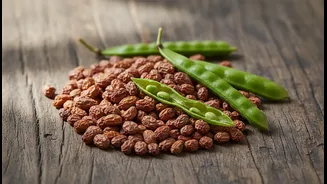
Now, consider a single snack with a story. Take the Bikaneri Bhujia. At first glance, it's just a crispy, spicy noodle. A generic list might give it a passing mention. But its story is the story of a place. First created in 1877 during the reign of Maharaja Shri Dungar Singh in Bikaner, it was a food born of necessity in a harsh desert landscape. Unlike other snacks made from gram flour, authentic Bikaneri Bhujia uses flour from moth beans, a hardy local crop. Locals discovered that the region's arid climate and alkaline water gave the bhujia a unique crispness and flavour that couldn't be replicated elsewhere. This connection to its origin is so strong that Bikaneri Bhujia was awarded a Geographical Indication (GI) tag in 2010, legally recognising that the real deal can only come from Bikaner. Suddenly, it’s not just a snack; it's a testament to royal history, desert resilience, and local enterprise. That's a story a list can never tell.
The Delicacy as Thin as Paper
Let’s travel south to Atreyapuram, a village in Andhra Pradesh, the home of Pootharekulu. The name itself tells a story, derived from the Telugu words 'pootha' (coating) and 'rekulu' (sheet). This 'paper sweet' is made from a wafer-thin layer of rice starch, wrapped around ghee, sugar or jaggery, and nuts. Legend says it was invented some 300 years ago when a woman noticed that starch from an overflowing rice pot had formed a thin, edible layer on the outside. Today, its creation is a cottage industry, with around 400 families in the village dedicated to its painstaking, handcrafted production, a skill no machine can replicate. The sweet is integral to weddings and festivals, a cornerstone of local culture. Like Bikaneri Bhujia, Pootharekulu also holds a prized GI tag, cementing its identity to its place of origin. This isn't just a dessert; it's a living piece of history, an art form passed down through generations.
Discovering India, One Snack at a Time
From the Thekua prepared during Chhath Puja in Bihar to Odisha's Chhena Poda, which literally translates to 'roasted cheese', every region has a hero snack with a tale to tell. These stories are about more than just ingredients. They speak of geography, climate, history, and community. They reflect the rhythm of daily life and the peak of festive celebrations. To seek out these regional specialties is to engage with India on a deeper, more meaningful level. It transforms eating from a simple act of consumption into an experience of discovery and connection. Why settle for a checklist of popular foods when you can have a rich, unfolding narrative? The flavour is always better when you know the story behind it.