





The Small Space, Big Impact Dilemma
Decorating a compact bedroom is a delicate balancing act. Every item must justify its footprint, offering both function and style without contributing to clutter. This is where the humble house plant shines. Unlike bulky furniture or purely ornamental
decor, a well-chosen plant introduces a dynamic, living element to a room. The vibrant green foliage can make a space feel more open and alive, breaking up monotonous wall colours and adding a touch of natural texture. For small Indian homes and apartments where every square foot counts, plants offer a maximum style return for a minimal spatial investment, turning overlooked corners or windowsills into beautiful focal points.
More Than Just a Pretty Leaf
Beyond their obvious aesthetic appeal, certain houseplants are known for their ability to contribute to a healthier indoor atmosphere. A famous 1989 NASA study highlighted that some common indoor plants could absorb pollutants in a sealed environment. While it is important to note that you would need a large number of plants to replicate the effect of a modern air purifier, they can still play a supplementary role in your home's ecosystem. Many household items, from furniture to cleaning products, can release volatile organic compounds (VOCs) like formaldehyde and benzene into the air. Plants absorb these gases through their leaves and root systems, helping to filter the air you breathe. Think of them not as a magic bullet, but as a natural, beautiful assistant in your pursuit of a cleaner living space.
The Star Player: Peace Lily
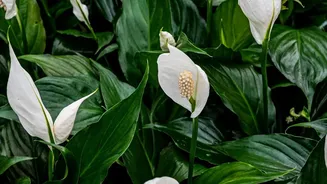
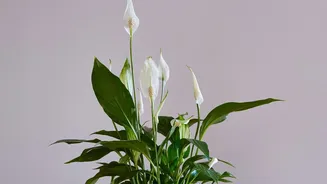
The Peace Lily, or Spathiphyllum, is the perfect poster child for this dual-benefit trend, and for good reason. Aesthetically, it is a showstopper, with glossy, dark green leaves and elegant, spoon-shaped white blooms that look like flags of peace. It adds a touch of sophistication to any setting. But it is also a functional powerhouse. The Peace Lily is known for its ability to help filter common indoor toxins like ammonia, benzene, and formaldehyde. It also thrives in conditions that are perfect for bedrooms—it prefers indirect light and consistently moist soil, making it happy in a corner away from a sunny window. As a bonus, it can also help regulate humidity. One important note for pet owners: the Peace Lily is toxic if ingested, so be sure to place it out of reach of curious cats and dogs.
The Supporting Cast: Other Bedroom-Friendly Plants
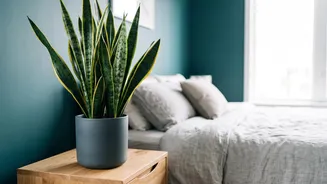
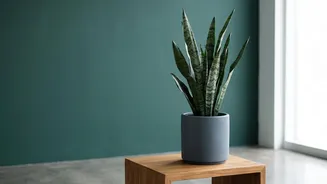
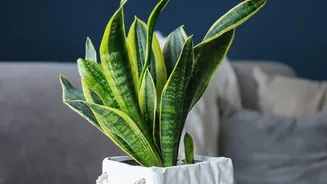
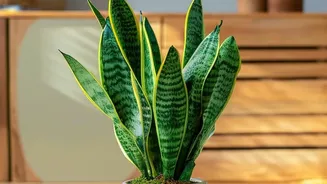
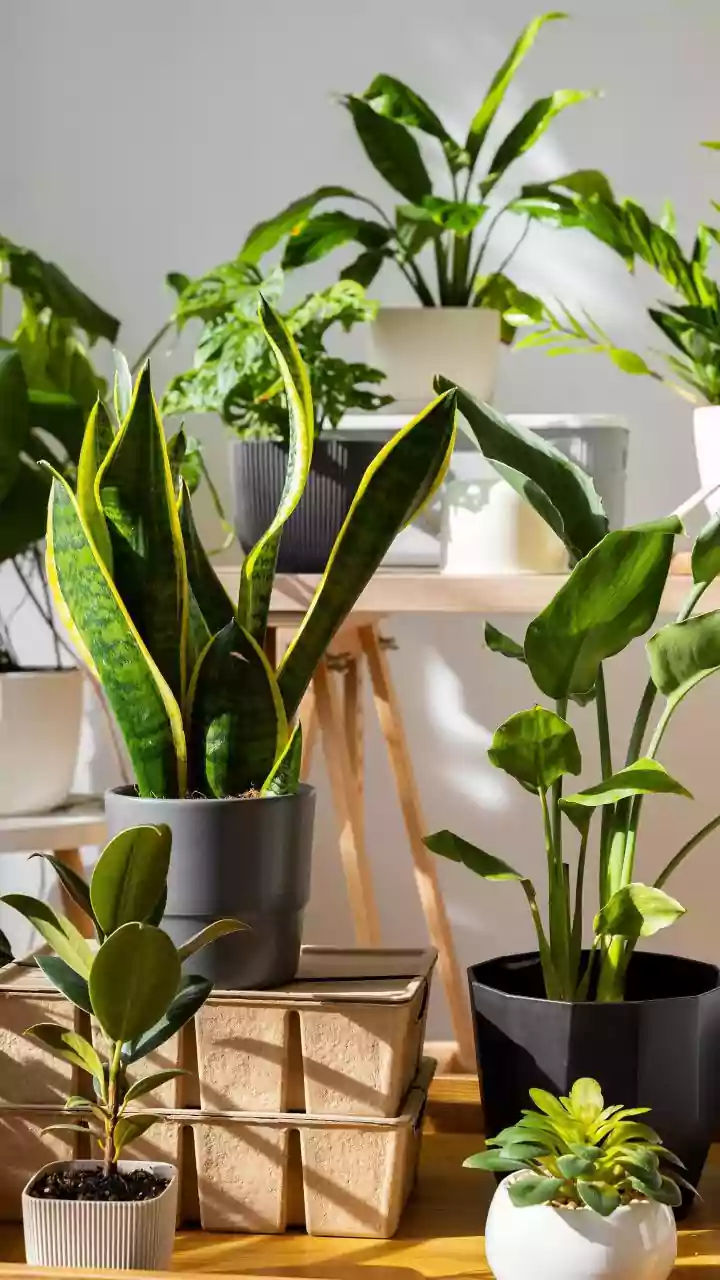
While the Peace Lily is fantastic, it is not the only plant that works well in a bedroom. The Snake Plant, often called 'mother-in-law's tongue', is another top contender. It is architecturally striking with its stiff, upright leaves and is incredibly low-maintenance. Its unique benefit is that it releases oxygen at night, which is the opposite of what most plants do, making it an ideal bedroom companion. Another popular choice in India is the Money Plant, or Pothos. This fast-growing vine is incredibly easy to care for and is effective at filtering toxins like formaldehyde and xylene. Its trailing leaves are perfect for hanging baskets or placing on top of a wardrobe, adding a cascade of greenery without using any floor space. Both the Snake Plant and Money Plant are hardy and forgive occasional neglect, making them perfect for beginners.
Styling Your Green Corner
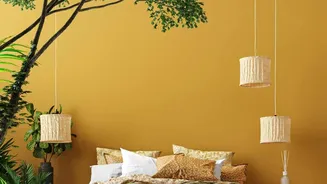
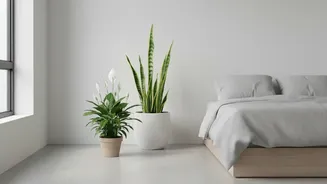
Integrating plants into a small bedroom is all about clever placement. Think vertically to save precious floor space. Use hanging planters to draw the eye upward, or install a small floating shelf to create a dedicated spot for your green friends. A plant with a slender profile, like a Snake Plant, can be placed in a stylish pot on the floor in a tight corner. A Peace Lily can sit beautifully on a bedside table or a dresser, adding a touch of elegance. Trailing plants like the Money Plant are perfect for draping over the side of a bookshelf. The key is to treat your plants as a final layer of decor, using them to add colour, life, and personality to spaces that might otherwise feel empty.