
The New Concrete Ecosystem
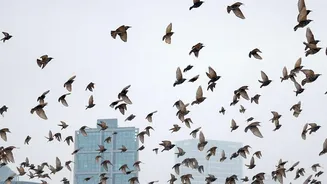
As cities expand, natural habitats shrink, forcing a choice upon wildlife: adapt or disappear. For a surprising number of species, the answer is to adapt. Cities, despite their dangers, offer a tempting buffet of resources. Garbage bins become reliable
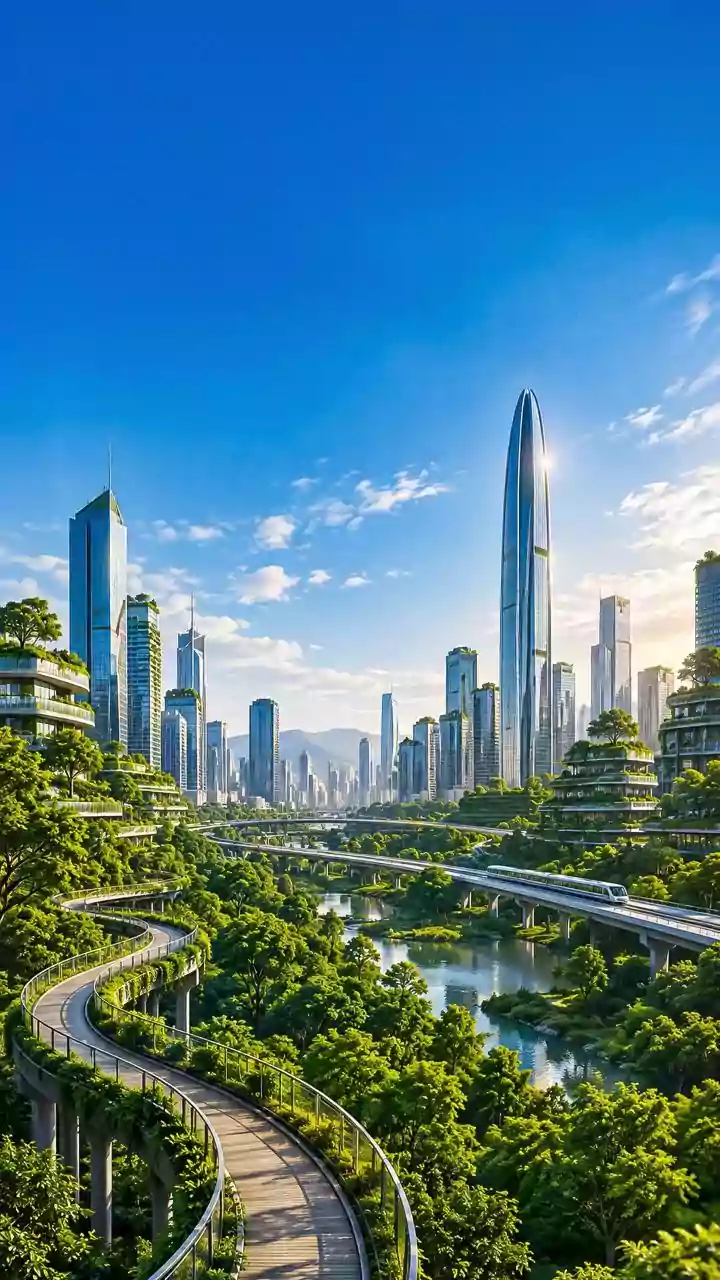
food sources, parks and gardens offer shelter, and the relative absence of natural predators can make urban areas safer than the wild. This has led to what scientists call 'urban adapters'—species with the flexibility to thrive in human-dominated environments. These are often generalists with diverse diets, like raccoons, foxes, and monkeys, who are clever enough to navigate the unique challenges of city living. The result is a new, complex ecosystem where the line between the wild and the built environment is becoming increasingly blurred.
Mumbai's Elusive Feline Neighbours
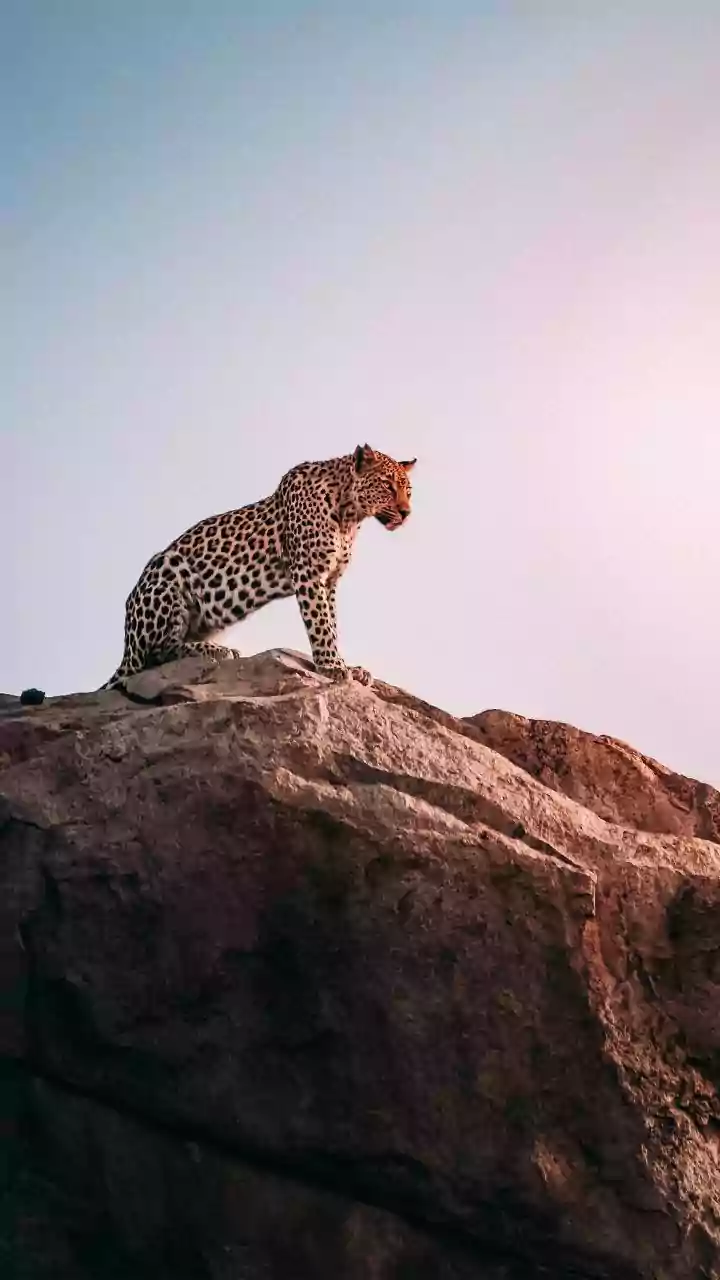
Perhaps one of the most striking examples of this phenomenon can be found in Mumbai, one of the world's most densely populated cities. Here, a significant population of leopards thrives within the city's limits, primarily in and around Sanjay Gandhi National Park. These big cats have shown extraordinary adaptability, learning to navigate the urban landscape by moving nocturnally through alleyways and alongside railway lines. Their diet has also shifted to include abundant urban prey like stray dogs and pigs that are drawn to garbage dumps. While conflicts between humans and leopards do occur, a remarkable coexistence has emerged, driven by community awareness and effective management. The leopards of Mumbai are a powerful symbol of how even large predators can learn to live alongside millions of people, a testament to their incredible behavioural flexibility.
The Brainy Racoon and Urban Intelligence
Across the globe, another animal has become a master of the urban jungle: the raccoon. Known for their intelligence and dexterous paws, raccoons have flourished in cities. Studies show that urban raccoons may even be smarter than their rural counterparts, displaying superior problem-solving skills. Researchers using puzzle boxes found that raccoons are not just motivated by food, but also by sheer curiosity, continuing to solve puzzles even after the reward is gone. This drive to learn, known as 'information foraging,' is a massive advantage in a constantly changing city environment. As humans design more complex 'raccoon-proof' bins, we may inadvertently be driving a cognitive arms race, pushing these clever animals to become even more innovative.
Evolution in the Fast Lane
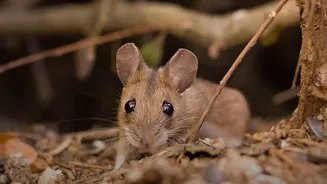
The changes aren't just behavioural; in some cases, cities are driving rapid evolution. Scientists call this 'human-induced rapid evolutionary change'. This process is especially noticeable in species with shorter lifespans. For example, crested anole lizards in Puerto Rico have evolved longer limbs and stickier toe pads to better grip smooth man-made surfaces like glass and painted concrete. Some birds in noisy urban areas have started singing at a higher pitch to be heard over traffic. Even white-footed mice in New York City's parks show genetic changes that may help them better digest the fatty human foods they find, like discarded pizza and fast food. These are not just adaptations; they are measurable evolutionary shifts happening right under our noses.
A Shared Future
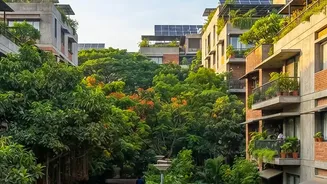
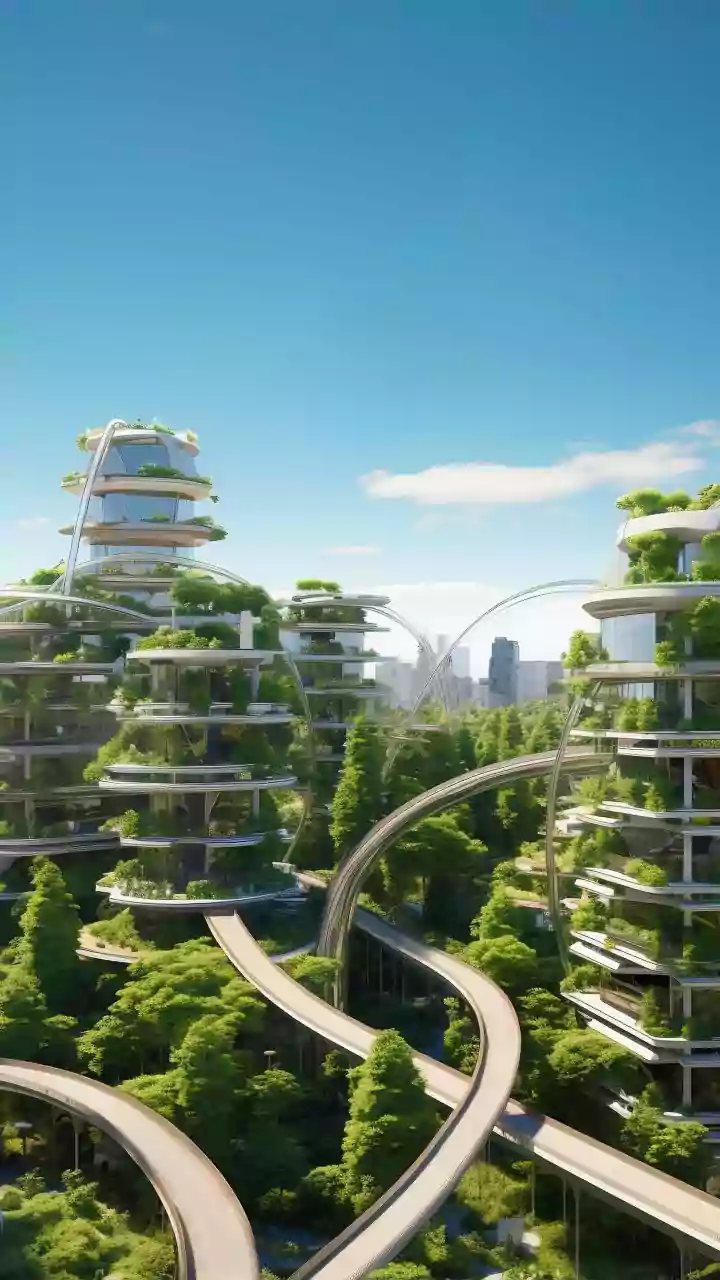
The increasing presence of wildlife in our cities presents both opportunities and challenges. It allows city dwellers a chance to connect with nature and can enhance urban biodiversity. However, it also increases the potential for human-wildlife conflict. The key to a peaceful coexistence lies in smart urban planning and public awareness. Creating green corridors for animals to move safely, managing waste properly to avoid attracting animals to residential areas, and educating the public are crucial steps. Animals becoming bolder or losing their natural fear of humans can lead to dangerous situations for both parties. Understanding the pressures and adaptations of urban wildlife is the first step toward building cities that are not just for people, but are resilient, biodiverse ecosystems for all inhabitants.