






The Probiotic Powerhouse in a Jar
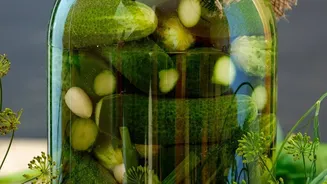
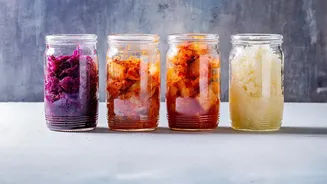
The secret behind the health benefits of many traditional Indian pickles lies in fermentation. Unlike commercially produced pickles that use vinegar for preservation, authentic homemade 'achaar' is often made by fermenting vegetables and fruits in salt
and their own juices, sometimes with oil, under the sun. This natural process encourages the growth of beneficial bacteria, known as probiotics. These live microorganisms, such as Lactobacillus, are crucial for maintaining a healthy gut microbiome—the bustling community of trillions of microbes living in your digestive tract. A balanced gut environment is the foundation of good digestion and overall wellness.
Unlocking Nutrients from Your Grains
So, how does a healthy gut help with your everyday grain dishes? The answer is twofold. First, a gut populated with diverse, beneficial bacteria is simply more efficient at absorbing nutrients from all the food you eat, including cereals and legumes. Probiotics help create an optimal environment for your intestines to extract vitamins and minerals from your meals. Second, fermentation plays a role in reducing 'anti-nutrients' like phytic acid, which are naturally present in grains, legumes, and seeds. Phytic acid can bind to minerals like iron, zinc, and calcium, making them harder for your body to absorb. The fermentation process, both in the pickle jar and in your gut, helps break down phytic acid, thereby increasing the bioavailability of these essential minerals from your grain-based dishes.
Traditional Pairings, Modern Science
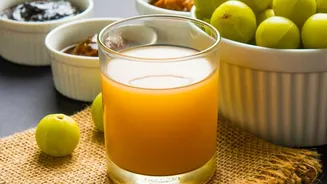
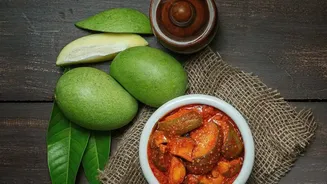
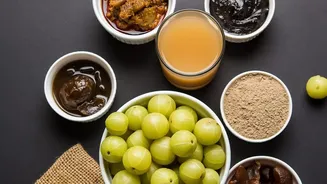
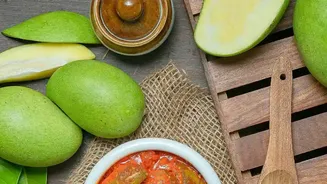
Think about classic Indian meal combinations: a tangy mango pickle with hearty dal and rice, or a zesty lemon pickle with a warm paratha. These aren't just flavour pairings; they are functional food combinations. The probiotics from the fermented pickle go to work in your gut, enhancing its ability to draw nourishment from the grains. Furthermore, the acidic nature of pickles can help stimulate the production of your own digestive enzymes, further aiding the breakdown of food for more efficient nutrient uptake. Amla, or Indian gooseberry, pickle is another great example, known in Ayurveda for supporting digestion and liver health, which are both vital for processing nutrients.
Choose Your Pickle Wisely
It's important to note that not all pickles offer these benefits. Many mass-produced, store-bought pickles are preserved using vinegar and undergo pasteurization (heat treatment). This process kills off the beneficial live bacteria, meaning they lack the probiotic punch of their traditionally fermented counterparts. While vinegar-based pickles still offer some digestive benefits due to their acidity, they do not contribute to your gut flora in the same way. To reap the full rewards, look for pickles that are explicitly labelled as 'fermented' or 'probiotic', or better yet, enjoy homemade versions made with traditional, sun-fermented methods.
A Note on Moderation
While traditional pickles are a nutritional asset, they are meant to be enjoyed as a condiment, not a main dish. They are typically high in salt and sometimes oil, which are essential for preservation but should be consumed in moderation. A small spoonful with your meal is enough to add a burst of flavour and gain the digestive and nutrient-absorbing benefits. Think of it as a small but powerful addition to an already balanced plate of food. The goal is to complement your meal, not overpower it.