


The Global Comfort Food Plateau
Not long ago, the measure of a city's culinary cool was its mastery of international cuisine. Delhi was no exception. Neighbourhoods from Khan Market to Gurgaon became hubs for Italian trattorias, American-style diners, and pan-Asian bistros. Getting
the perfect wood-fired pizza or a juicy burger was a weekend ritual. This wasn't just about food; it was about aspiration and a connection to a global culture. These dishes were reliable, predictable, and offered a taste of the world. But after years of dominance, a certain fatigue has set in. The novelty has worn off, and diners are beginning to ask: what's next?
A Nostalgic Return to the Roots
The pivot towards Indian classics is driven by something deeper than a simple change in taste. It's a quest for authenticity and emotional connection. This movement is fuelled by nostalgia, a desire to reconnect with flavours from family kitchens and childhood memories. After years of looking outward, a new generation of chefs and diners is looking inward, celebrating the recipes of their mothers and grandmothers. This isn't about rejecting global influences, but about placing a new value on the culinary heritage that was often taken for granted. There is a growing confidence in presenting Indian food without apologies or Westernised translations.
The New Stars of the Menu
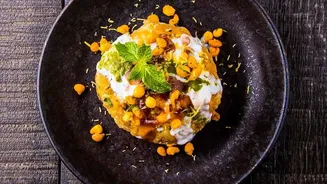
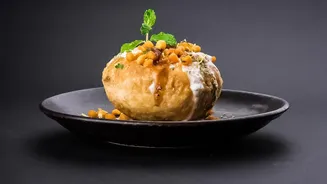
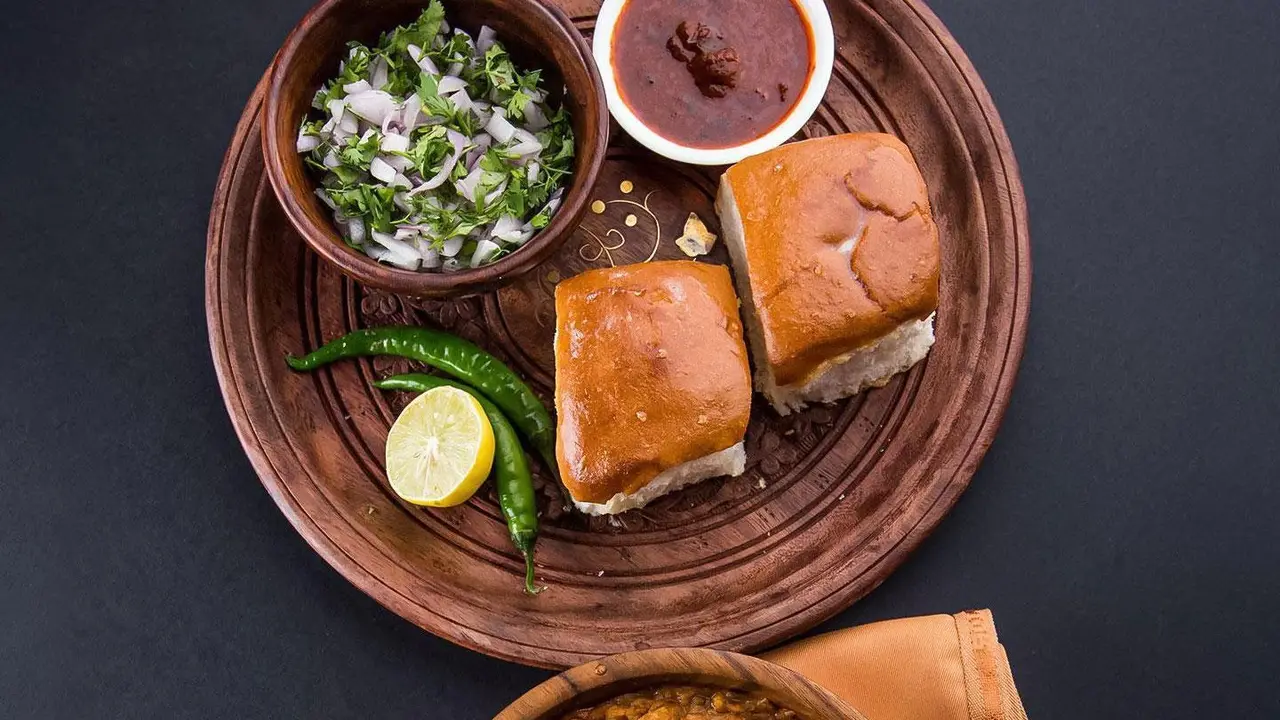
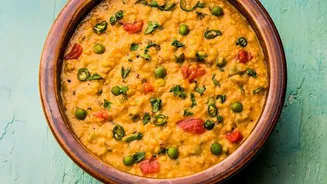
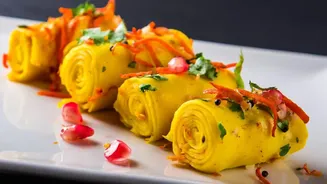
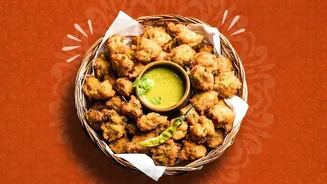
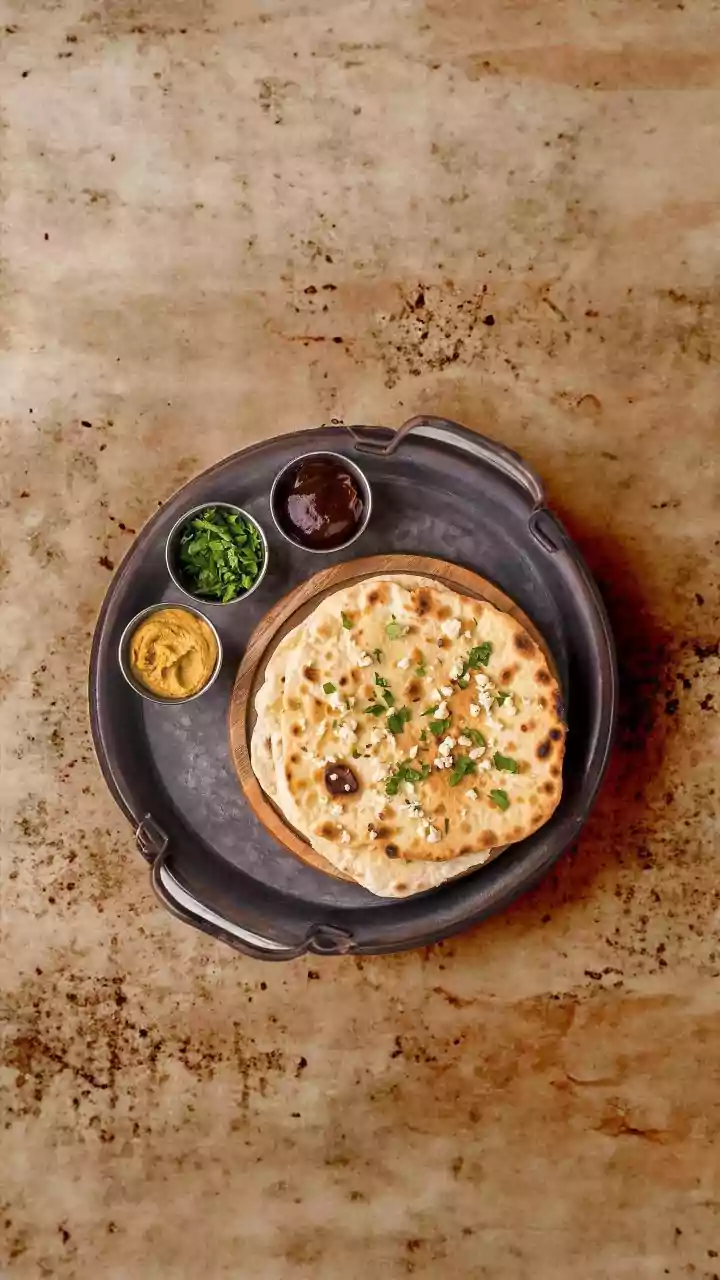
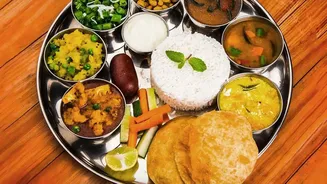
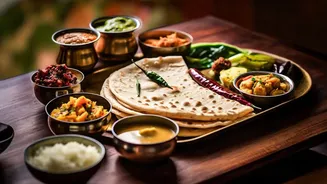
So, what are people eating? The focus is shifting from the standard North Indian restaurant fare of butter chicken and naan, which, while beloved, only represents a fraction of India's culinary diversity. Instead, restaurants are championing regional specialities and heirloom recipes. Think of the complex, home-style flavours of Bihari Litti Chokha, the subtle, fragrant gravies of a Kashmiri Yakhni, or the robust, earthy notes of a Naga pork dish with bamboo shoots. Newly opened establishments are dedicating themselves to showcasing the depth of specific regional cuisines, from theme-based thalis celebrating royal Indian flavours to restaurants focused on reviving forgotten Punjabi recipes. Even dishes once considered too humble for fine dining, like Khichdi, are being celebrated for their comforting and historical significance.
Chefs as Culinary Curators
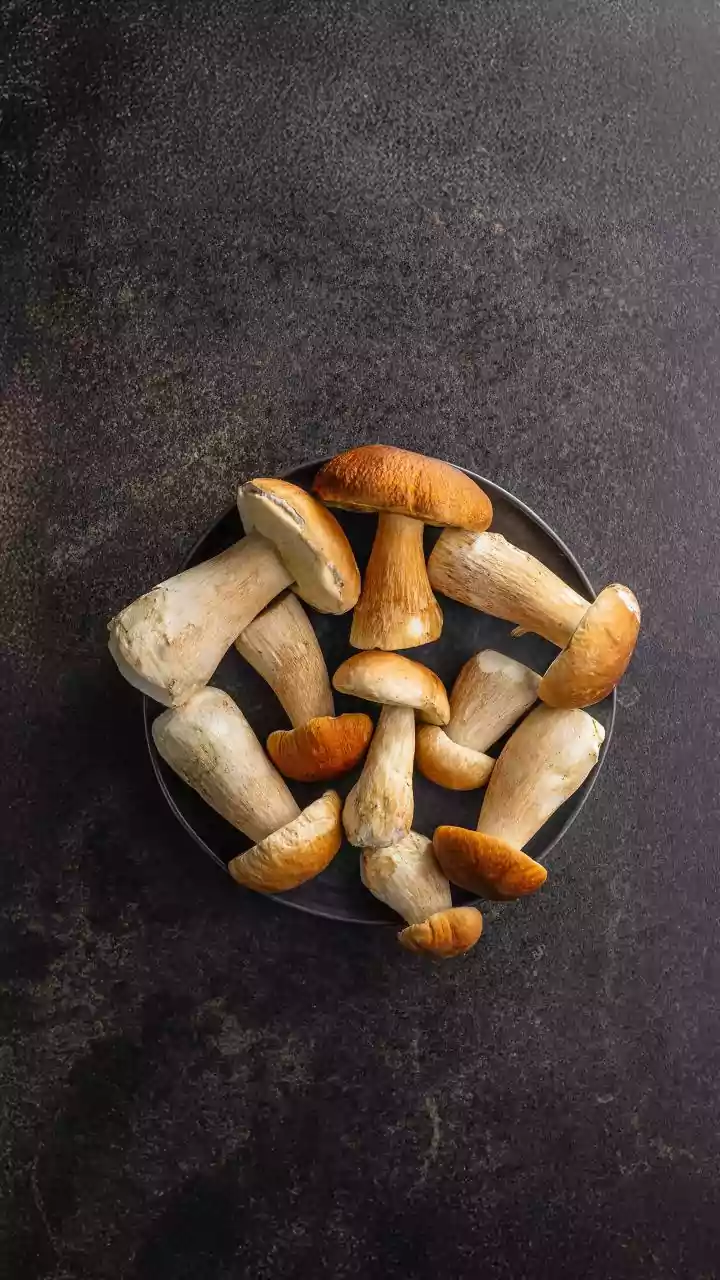
Delhi's chefs are at the forefront of this movement, acting less as inventors and more as thoughtful curators. Many are moving away from the fusion cooking that often diluted flavours, and are instead focusing on research and storytelling. They are travelling to different states, learning from home cooks, and studying traditional techniques to present regional dishes with respect and precision. Chef Shantanu Mehrotra of Indian Accent notes that the trend is towards ingredients that carry memory and regional integrity. The goal isn't to reinvent a dish for novelty's sake, but to refine the experience around it, allowing the authenticity of the flavours to shine. This approach values provenance, where an heirloom grain from a small farm is the new luxury.
A Sign of a Maturing Palate
This shift isn't just about food; it's a reflection of a broader cultural moment. It signifies a maturing of the Indian palate and a growing confidence in the country's own rich traditions. Diners are more curious and informed than ever, seeking authenticity over generic global flavours. They are looking for meals that tell a story, connect them to a specific place, and offer a sense of belonging. The rise of regional Indian food shows that the definition of 'comfort food' is expanding—or rather, returning home. It’s a realisation that the most comforting meal of all is often the one that tastes of your own history.