






More Than Just 'Farm-to-Table'
The term “hyperlocal” is buzzing in India's food circles, and it signifies a deeper shift than the well-known 'farm-to-table' concept. While farm-to-table focuses on reducing the distance between a farm and your plate, hyperlocal goes a step further.
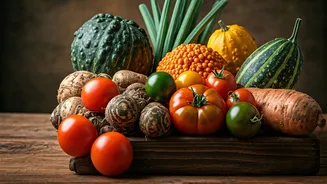
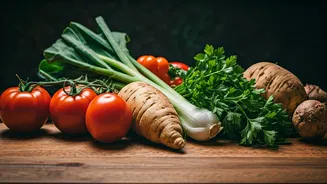
It's a movement to create experiences that are deeply rooted in a specific place, celebrating not just local produce but also regional culinary traditions, native ingredients, and community identity. For cafés, this means moving away from a standardised global menu and embracing what makes their specific corner of India unique. This could manifest as anything from sourcing coffee from a single, nearby estate to incorporating indigenous grains like millets into their food menu.
From a Single Estate to Your Cup
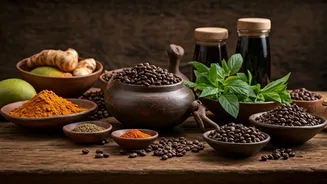
The heart of this trend is coffee itself. A growing number of artisanal roasters and cafés are championing Indian-grown coffee with a focus on traceability and terroir. Brands like Blue Tokai Coffee Roasters have pioneered direct trade relationships, sourcing high-quality beans from specific estates across India and proudly naming the farm on their packaging. This not only ensures fair prices for farmers but also educates consumers about the diverse flavour profiles of Indian coffee, from the nutty, chocolatey notes of Attikan Estate to the fruity brightness of beans from Odisha's Koraput region. Similarly, Subko Coffee Roasters explores beans from across the subcontinent, including lesser-known coffee-growing states in the Northeast like Nagaland and Meghalaya, and even alternative species beyond Arabica. This focus on provenance allows drinkers to taste the unique character of a specific region in their cup.
A Taste of the Region
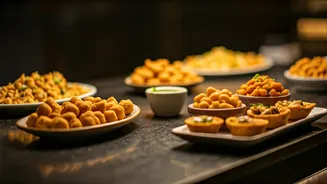
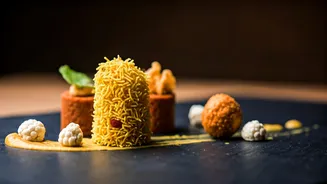
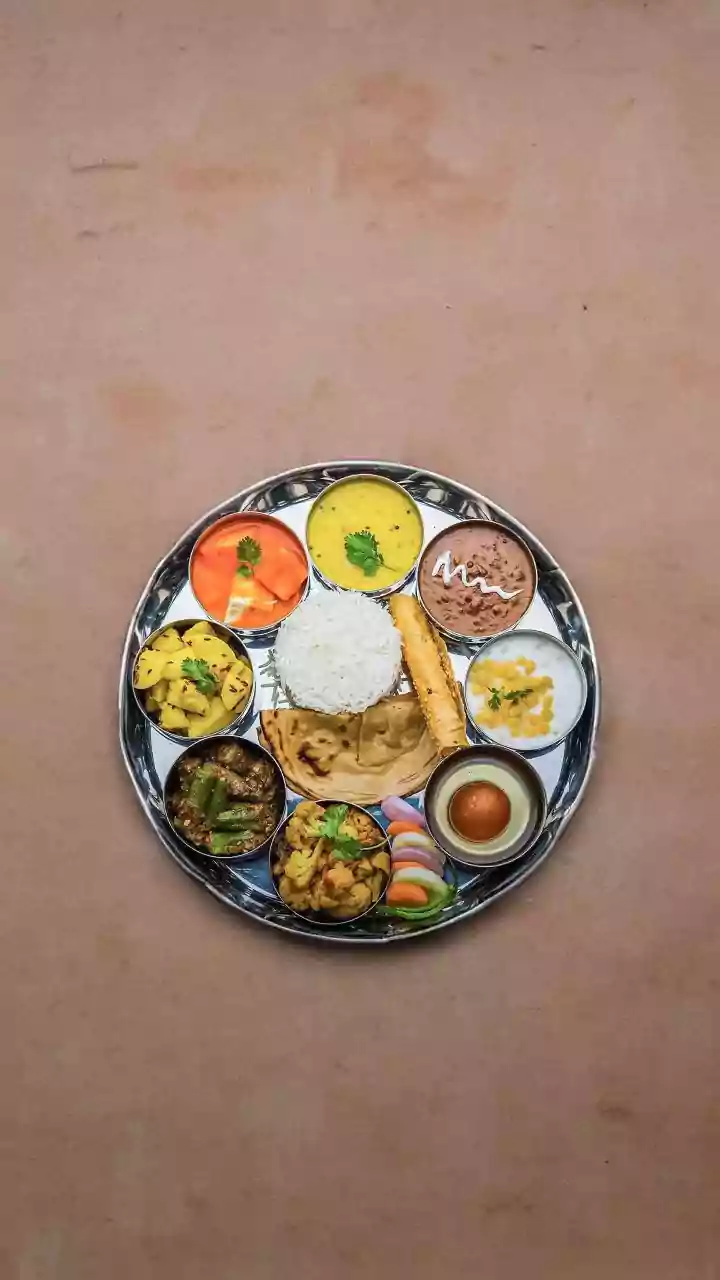
The hyperlocal ethos extends enthusiastically to the food menu. Instead of generic sandwiches and pastries, chefs are crafting dishes that reflect local agriculture and tastes. In Delhi, Café Lota, located within the National Crafts Museum, offers a menu that champions regional gems, using millets to create healthier versions of classics like Ragi Vada Pav and Bajra Chilla. In Bengaluru, cafés are known to incorporate various millets into everything from dosas to biryanis, creating nutritious and sustainable options. This embrace of indigenous grains is a significant part of the movement, reintroducing diners to versatile and climate-friendly crops. It's about creating a menu that couldn't exist anywhere else, one that tells a story of its environment through flavour.
Why Now? The Drivers of the Trend
Several factors are fueling this shift towards hyperlocal. Consumers, particularly younger generations, are increasingly conscious about the origins of their food, sustainability, and health. There is a growing desire for authenticity and transparency, with people wanting to support local farmers and small businesses. The success story of brands like Araku Coffee, a cooperative that transformed the lives of tribal farmers in Andhra Pradesh while producing internationally acclaimed organic coffee, highlights the powerful social impact of this model. Furthermore, a new generation of chefs and entrepreneurs is eager to showcase India's rich culinary diversity, moving beyond imitation to innovation rooted in tradition. This convergence of conscious consumerism and culinary creativity has created the perfect environment for the hyperlocal café to thrive.