




The Gentle Art of the Cold Brew
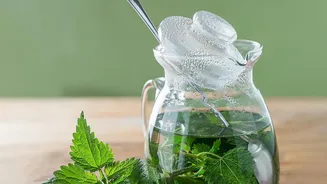
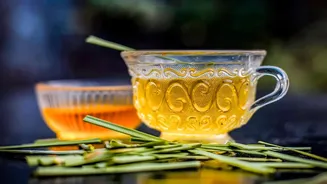
Imagine a tea that’s smooth, naturally sweet, and never bitter. That’s the promise of cold brewing. Unlike traditional methods that use hot water to extract flavour rapidly, cold brewing is a slow, patient process. Tea leaves are steeped in cold or room-temperature
water for an extended period, often between 6 to 12 hours. This gentle infusion draws out the delicate, complex notes of the tea while leaving behind many of the tannins that can cause bitterness. The result is a remarkably smooth, clean-tasting beverage that showcases the leaf’s true character without the need for sugar or milk. This method also preserves a higher concentration of certain antioxidants compared to hot brewing, making it a refreshing and mindful choice, especially during India's warm summers.
The Foundation: Single-Estate Orthodox Leaves
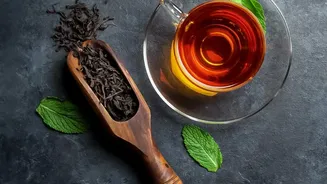
The quality of a cold brew begins with the leaf. The terms “single-estate” and “orthodox” are indicators of premium quality and artisanship. Single-estate means the tea comes from one specific tea garden, much like a single-origin coffee or a single-vineyard wine. This ensures traceability and a unique flavour profile that reflects the specific terroir—the soil, climate, and altitude—of that one location. Orthodox tea refers to leaves processed using traditional, often hand-rolled methods that keep the leaf whole. This meticulous process protects the essential oils and delicate compounds within the leaf, resulting in a more nuanced and aromatic brew. When combined, these leaves provide the perfect, high-quality canvas for a sophisticated cold brew. It’s a celebration of origin and craftsmanship in every sip.
A Touch of Tradition: India's Botanical Bounty
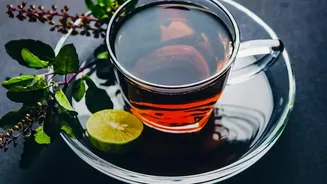
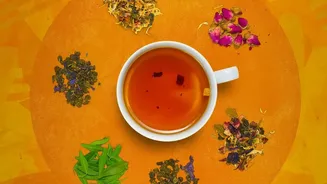
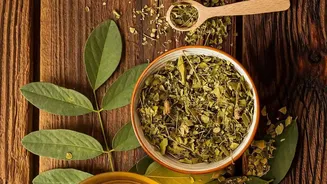
What truly elevates these cold brews is the infusion of traditional Indian herbs, many of which have been staples in Ayurvedic practices for centuries. These are not just about flavour; they bring a layer of wellness and heritage to the drink. Herbs like Tulsi (Holy Basil), known for its stress-relieving properties, and Ashwagandha, a powerful adaptogen, are being reimagined in these modern blends. Other popular botanicals include ginger, celebrated for its digestive benefits; cooling mint; anti-inflammatory turmeric; and fragrant hibiscus. These herbs, once confined to hot 'kashayams' or healing decoctions, now lend their complex aromas and wellness benefits to these chilled, refreshing teas. This fusion connects a new generation with the ancient wisdom of Indian botany in a palatable, modern format.
The Perfect Marriage of Flavour and Wellness
The combination of these three elements—cold brewing, orthodox leaves, and botanical herbs—creates a beverage that is more than the sum of its parts. The cold brew method’s gentle extraction creates a smooth base that allows the subtle notes of both the tea and the herbs to shine without competing. A First Flush Darjeeling’s delicate muscatel notes might be paired with calming chamomile, or a robust Assam leaf could be infused with warming ginger and tulsi. The result is a multi-layered drink that offers not just refreshment but also a functional wellness boost. It’s a guilt-free indulgence, often naturally low in caffeine and calories, that aligns with a growing consumer desire for natural, clean-label products.
A Modern Ritual for a New Generation
This trend represents a significant shift in India’s beverage landscape. For generations, tea has meant a hot, milky, spiced chai. But as urban consumers, particularly millennials and Gen Z, seek healthier and more globally-inspired options, cold-brewed botanical teas are finding their place. They fit perfectly into a modern lifestyle: they can be prepared overnight for a grab-and-go drink, serve as a sophisticated non-alcoholic option at social gatherings, and offer a moment of mindful refreshment during a busy day. This isn't about replacing the beloved masala chai; it's about expanding the definition of what Indian tea can be—a versatile beverage that honors its rich heritage while embracing contemporary tastes and wellness trends.