




The Morning Rush vs. a Forgotten Grain
For many young professionals navigating city life, mornings are a blur of notifications, commute planning, and rushed decisions. Breakfast, if it happens at all, is often a quick bite of something processed or a sugary coffee that promises a short-lived
buzz. This cycle of convenience over nutrition can lead to mid-day slumps, fatigue, and a general feeling of being run-down. Yet, a growing number of health-conscious urbanites are breaking this pattern by turning to a solution that’s been part of Indian food culture for centuries: millets. Specifically, ragi is stepping out of the shadows of its reputation as a rural staple and into the spotlight of modern wellness.
What Exactly Is Ragi, Anyway?
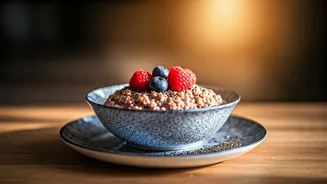
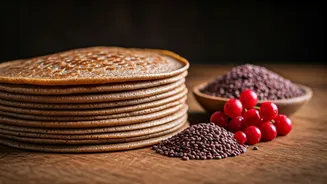
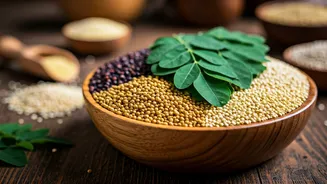
Ragi, known as finger millet, is a robust, ancient grain that has been cultivated in India for over 4,000 years. It’s a tiny, reddish-brown seed that packs an unbelievable nutritional punch. Traditionally consumed as a hearty porridge (ragi mudde in Karnataka or ragi kanji), it was valued for its ability to provide sustained energy for farmers and labourers. What makes ragi so relevant today is its incredible density of nutrients. It’s naturally gluten-free, making it a great option for those with sensitivities. More importantly, it’s a treasure trove of minerals that are often lacking in the modern urban diet.
The Iron-Clad Case for Your Health
The headline-grabbing benefit of ragi is its high iron content. For a generation battling screen-induced fatigue and the general stress of a fast-paced career, iron is a critical nutrient for fighting anaemia and boosting energy levels. It plays a vital role in forming haemoglobin, which carries oxygen in the blood, directly impacting your stamina and cognitive function. But the benefits don’t stop there. Ragi is one of the best non-dairy sources of calcium, essential for strong bones and teeth—a crucial insurance policy against osteoporosis later in life. Furthermore, its high dietary fibre content aids digestion, promotes gut health, and helps in managing blood sugar levels by ensuring a slow release of energy, preventing the dreaded post-meal sugar crash.
From Porridge to Posh Crepes
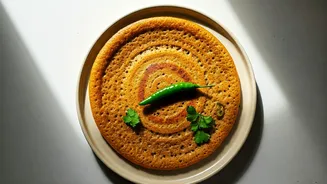
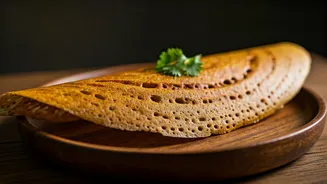
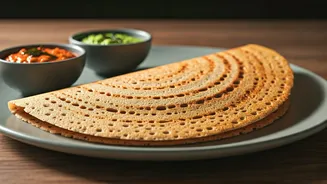
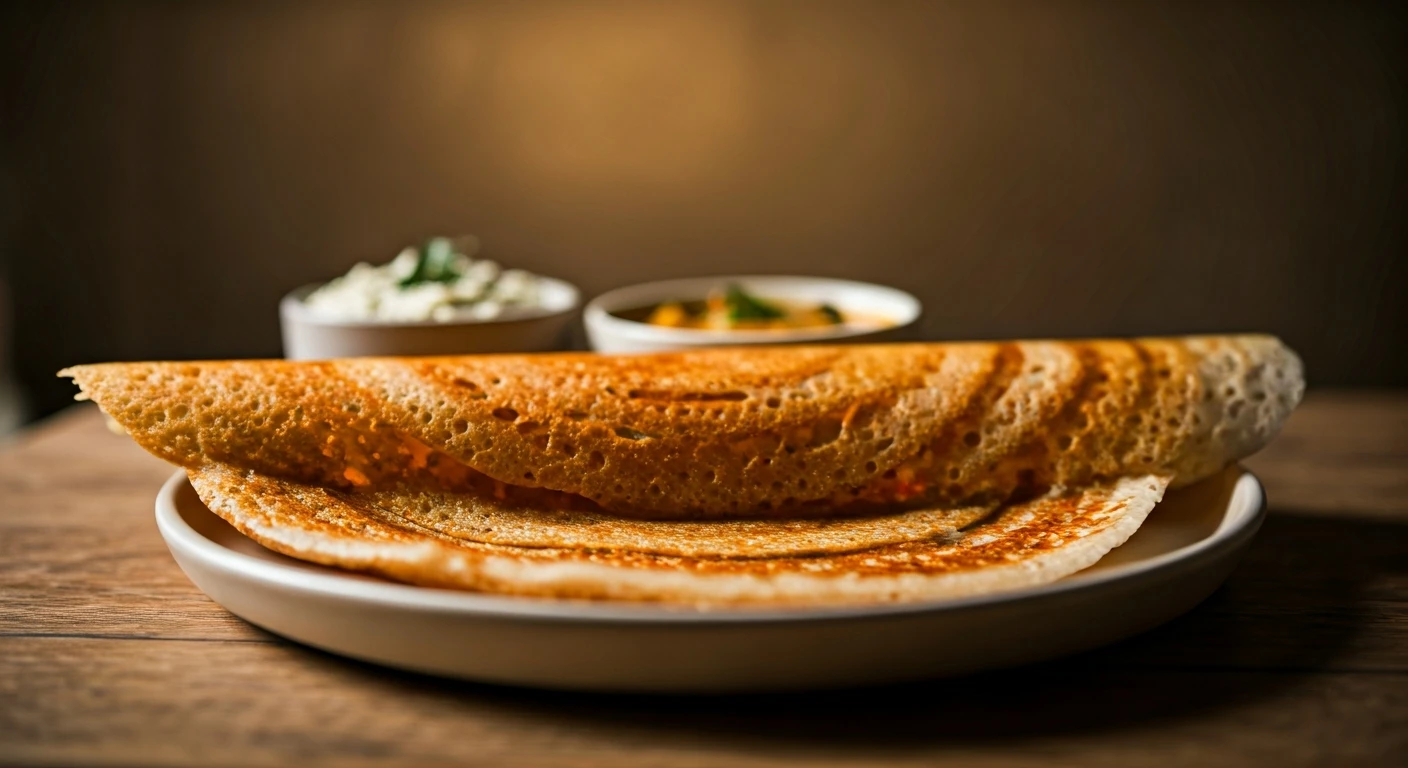
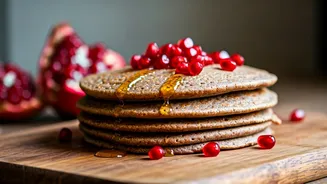
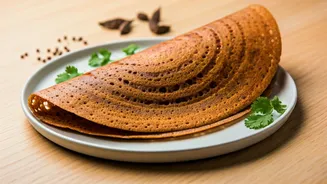
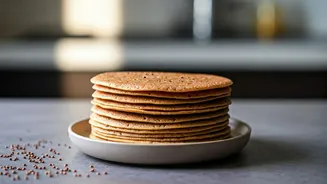
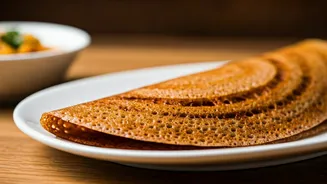
So, if ragi is so wonderful, why wasn't it already a staple in every urban home? The answer often lies in perception and preparation. The traditional porridge format, while nourishing, doesn't always appeal to a palate accustomed to global flavours and textures. This is where the transformation lies. The new generation isn't just eating ragi; they are reinventing it. By grinding it into a fine flour, it becomes a versatile base for dishes that fit seamlessly into a modern lifestyle. Enter the ragi crepe, or dosa. Thin, crisp, and neutral in flavour, these crepes are the perfect canvas for creativity. They can be stuffed with savoury fillings like spiced paneer, mushrooms, and avocado, or drizzled with honey and topped with fresh fruit for a sweet treat. They are quick to cook, light on the stomach, and endlessly customisable.
More Than Just a Meal
The embrace of the ragi crepe is more than a fleeting food trend; it's a reflection of a larger cultural shift. It signifies a move towards conscious consumption, where young Indians are looking to their own heritage for sustainable and healthy solutions. It’s about finding the perfect balance between tradition and modernity—enjoying the profound health benefits of an ancient grain in a format that is convenient, delicious, and Instagram-worthy. This isn't about a drastic, punishing diet. It’s about a simple, powerful upgrade to a single meal that can have a ripple effect on one’s entire day, improving energy, focus, and overall well-being. This is the 'transformation' in action—not a sudden miracle, but a steady, sensible improvement to daily life.