
The Squeeze on Vital Habitats
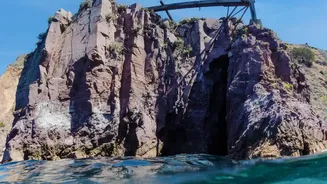
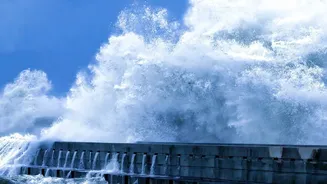
As sea levels rise, coastal habitats like marshes and mangroves would naturally migrate inland. However, the presence of man-made structures like sea walls, roads, and buildings creates a barrier. This phenomenon, known as 'coastal squeeze', traps these
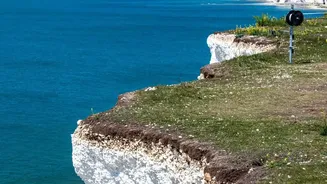
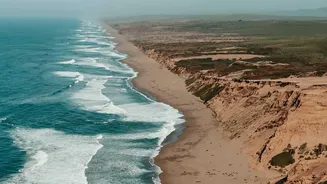
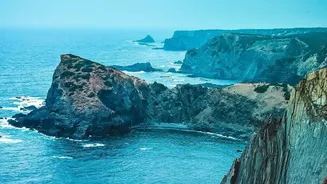
ecosystems between a rising sea and fixed defences. Unable to retreat, these vital zones are progressively lost, and their area shrinks. This process is accelerated by increased storm frequency, which leads to faster erosion of beaches, dunes, and cliffs. The result is a direct loss of habitat, which is a primary threat to the organisms that depend on these unique environments.
India's Mangrove Guardians Under Threat
Mangroves are crucial for India, acting as natural barriers against storm surges and cyclones, and serving as critical nursery grounds for fish. However, they are exceptionally vulnerable to shoreline changes. A study focusing on India's coastline projects that by 2070, mangrove habitats could be reduced by nearly 50%, particularly in the southern states of Karnataka, Tamil Nadu, Kerala, and Andhra Pradesh. In the Sundarbans, the world's largest mangrove forest, erosion and sea-level rise are already causing significant mangrove loss. This degradation not only reduces coastal protection but also increases soil salinity and the risk of flooding, threatening both biodiversity and local livelihoods.
Coral Reefs in Peril
Beyond the visible shoreline, coastal erosion impacts another fragile ecosystem: coral reefs. Increased erosion washes more sediment into the sea, making the water murky. This reduces the amount of sunlight reaching the corals, which they need to survive. Furthermore, rising sea levels and ocean warming are creating a synergistic threat, leading to coral bleaching and degradation. Coral reefs are not just beautiful underwater gardens; they are vital breeding grounds for about 25% of all marine species and provide immense economic value through fisheries and tourism. Their loss has a cascading effect, diminishing fish populations and weakening the natural defences that protect coastal communities from wave energy.
The Unseen Loss of Marshes and Meadows
Often overlooked, salt marshes and seagrass meadows are also victims of the shrinking coastline. These habitats are incredibly productive, serving as nurseries for commercially important fish and filtering pollutants from the water. Like mangroves, they are caught in the coastal squeeze, unable to move inland as the sea advances. The loss of these wetlands can be staggering; some estimates suggest that the combined effects of sea-level rise and coastal development could wipe out more than half of these habitats by the end of the century. Saltwater intrusion, where seawater pushes further into freshwater systems, also kills off plant communities that are not salt-tolerant, further degrading these crucial zones.
The Domino Effect on Wildlife and Livelihoods
The degradation of these ecosystems creates a domino effect that impacts both wildlife and people. Many endangered species, from sea turtles that need stable beaches for nesting to birds that rely on wetlands for migratory stops, are at risk of losing their critical habitats. For human communities, the consequences are just as severe. The decline in coastal habitats leads to a loss of fisheries, impacting the livelihoods of millions who depend on the sea. It also means the disappearance of natural coastal protection, which increases the risk to homes and infrastructure from flooding and storms, leading to enormous economic losses and forcing communities to relocate inland.