







Why Humidity Complicates Hydration
Staying hydrated is more challenging in high humidity. Normally, your body cools itself when sweat evaporates from your skin. But when the air is already saturated with moisture, that evaporation process slows down significantly. This means your body works
harder and sweats more to try and cool off, leading to a greater loss of fluids. This excessive sweating doesn't just deplete your water levels; it also drains your body of essential minerals known as electrolytes. If you only replace the water, you risk diluting the electrolytes remaining in your system, which can lead to issues like muscle cramps and fatigue.
What Are Electrolytes, Really?
Electrolytes are essential minerals—like sodium, potassium, calcium, and magnesium—that carry an electric charge when dissolved in body fluids. They are vital for your body to function correctly. These minerals help regulate fluid balance, support nerve function, enable muscle contractions (including your heartbeat), and maintain your body's proper pH level. When you lose a lot of electrolytes through sweat without replacing them, you might start to feel tired, dizzy, or experience muscle weakness and cramps.
Team Plain Water: When It’s All You Need
For most of your daily activities, plain water is the perfect choice for hydration. If you're working at a desk, enjoying a light walk, or doing household chores, your body isn't losing a significant amount of electrolytes through sweat. In these situations, drinking water when you feel thirsty is sufficient to keep you hydrated. A balanced diet rich in fruits and vegetables—like bananas, oranges, and spinach—also naturally replenishes your body's electrolyte stores. For the average person on an average day, even in the heat, there’s no need to reach for a special drink.
The Case for Electrolyte Drinks
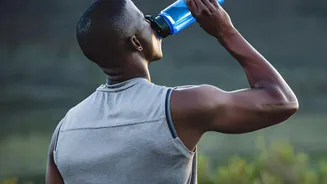
Electrolyte drinks become beneficial when you are losing large amounts of fluid and minerals quickly. This is especially true during intense situations in high humidity. Consider an electrolyte drink if you are engaging in strenuous exercise for more than an hour, working a physically demanding job outdoors, or if you are ill with vomiting or diarrhoea. In these scenarios, the electrolytes in the drink, particularly sodium and potassium, help your body absorb and retain fluid more effectively than water alone, aiding in faster rehydration.
The Downside of Drinking Them Unnecessarily
While useful in specific situations, consuming electrolyte drinks when you don't need them can have drawbacks. Many commercial sports drinks are high in sugar and calories, which can contribute to weight gain and other health issues if consumed regularly without corresponding intense activity. Drinking too many electrolytes when your body is already in balance can also lead to problems like high sodium levels, which may cause nausea and confusion, or place a strain on your kidneys. For most people in non-strenuous situations, water remains the healthier and more appropriate choice.
Natural and DIY Alternatives
You don't always need a store-bought sports drink to replenish electrolytes. Nature provides some excellent alternatives that are readily available. Coconut water is a fantastic natural source of potassium and other electrolytes, often with less sugar than commercial drinks. You can also make your own simple and effective electrolyte drink at home. Just mix water with a pinch of salt (for sodium), a small splash of lemon or orange juice (for potassium and flavour), and a little bit of honey or jaggery for a quick energy boost. This provides a balanced way to rehydrate without artificial ingredients.