





An Unpredictable Pulse
The predictable pattern of the Indian monsoon is being disrupted by climate change. Scientific evidence shows a clear trend: the monsoon is becoming more volatile. Instead of steady, season-long rain, the new normal involves long dry spells broken by sudden,
intense downpours. This shift from moderate, consistent rain to extreme, concentrated events is at the heart of the issue. A delayed monsoon onset might shorten the overall rainy season, while the deluges that do arrive often lead to flooding and runoff rather than replenishing soil moisture. Researchers are finding that it's this collapse of timing, more than just the total volume of rain, that poses a significant risk to ecosystems that evolved around a stable seasonal clock.
Dry Forests Under Duress
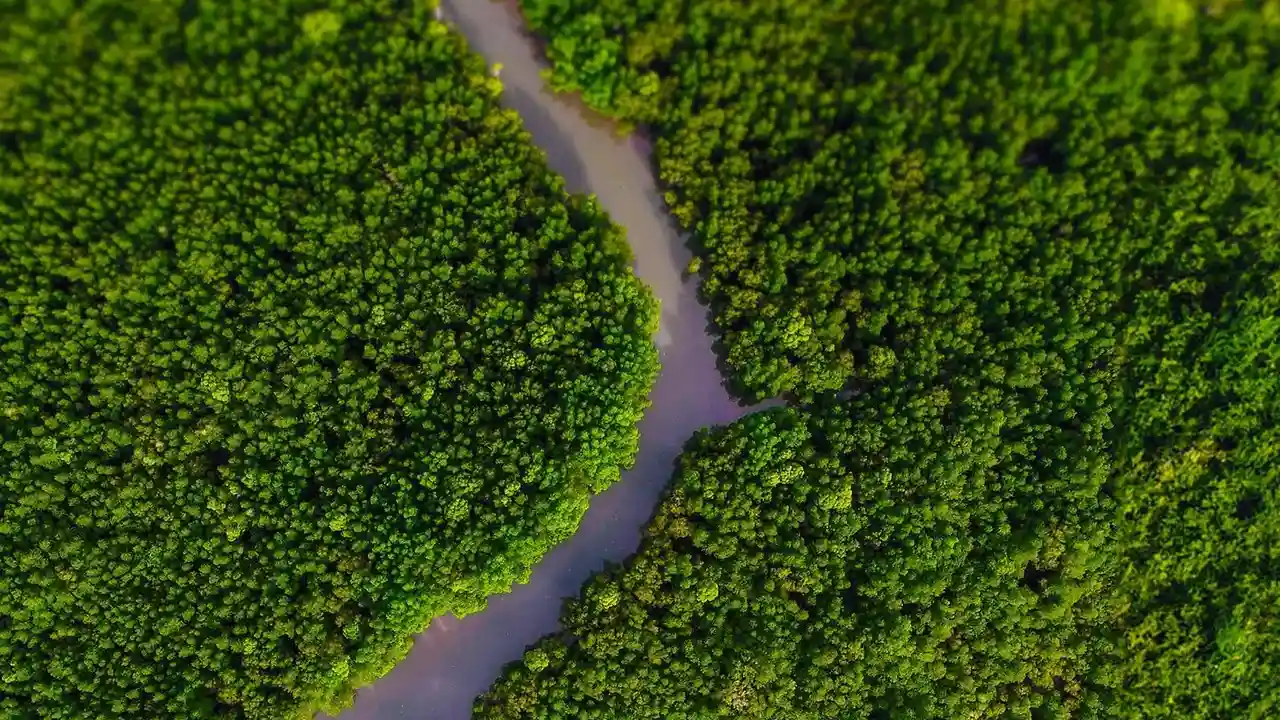
In central India, the vast tracts of tropical deciduous forests are feeling the strain. These ecosystems, which include vital tiger habitats, are adapted to seasonal changes, shedding leaves in dry months and greening in wet ones. However, recent studies show that rising temperatures and altered rainfall are increasing the risk of forest fires and affecting forest health. Research in the Panchmarhi Biosphere Reserve in Madhya Pradesh revealed that shifts in precipitation, combined with human pressures, contributed to a significant loss of forest cover over several decades. Longer dry spells stress the trees, while intense rain on dry ground can cause soil erosion instead of nourishing the forest, threatening the delicate balance that has sustained these landscapes for centuries.
The Western Ghats in Flux
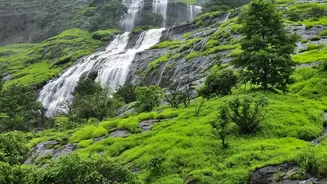
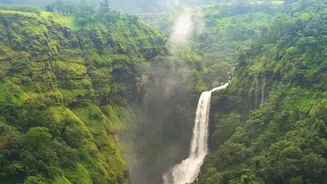
The Western Ghats, a UNESCO World Heritage site and a global biodiversity hotspot, are particularly vulnerable. The dense, evergreen forests in this region depend on consistent moisture. However, the region is now experiencing both intense rainfall events that cause landslides and prolonged dry spells that increase the risk of forest fires. The very structure of these forests is at stake; changes in moisture can determine which plant species thrive. Scientists warn that trees suited to cool, wet conditions may lose ground to species that prefer drier, hotter climates, leading to a fundamental shift in the ecosystem. This is critical, as the forests of the Western Ghats play a major role in regulating rainfall across peninsular India, and their degradation could have far-reaching consequences for regional water security.
A Cascade of Consequences
The impacts of shifting rainfall go beyond just the trees themselves. Changes in the timing of flowering and leaf development—a field known as phenology—are being observed. These shifts can disrupt the synchronized life cycles of plants, pollinators, and other wildlife that depend on them. The destruction of forests can, in a dangerous feedback loop, further affect local rainfall patterns, as healthy forests contribute significantly to atmospheric moisture through evapotranspiration. Furthermore, landslides triggered by extreme rain can wipe out entire forest patches, destabilizing larger areas and compromising the ability of these ecosystems to store carbon, regulate climate, and provide resources for forest-dependent communities.