





Why Monsoon is a Gardener’s Friend
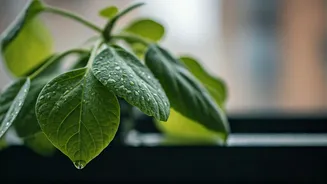
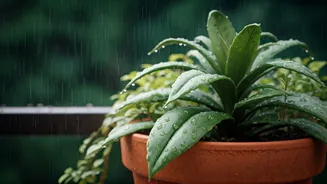
While we enjoy relief from the scorching summer heat, our plants are celebrating too. The rainy season offers a trifecta of benefits. First, rainwater is naturally soft, slightly acidic, and free from the chlorine found in tap water, making it a premium
drink for your plants. Second, the high humidity reduces the rate at which plants lose water through their leaves, allowing them to focus their energy on growth. Finally, the rain washes away layers of dust and grime from the leaves, unblocking their pores (stomata) and allowing them to breathe and photosynthesise more efficiently. This combination creates a perfect environment for a lush, vibrant balcony.
Choose Your Monsoon Champions
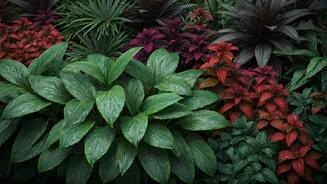
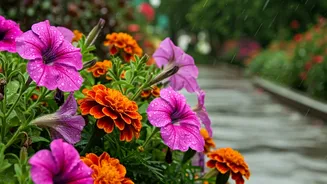
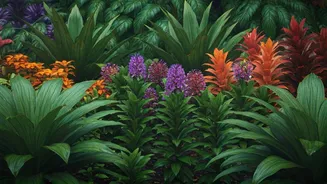
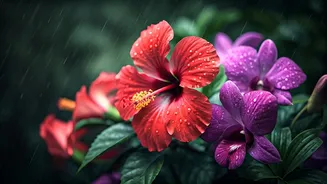
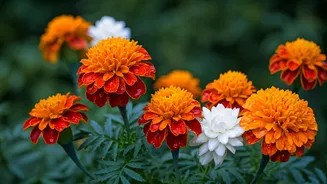
Not all plants are equipped to handle the constant dampness. To ensure your balcony thrives, pick species that love humidity and regular watering. Flowering plants like Balsam (Impatiens balsamina), Hibiscus, Monsoon Cassia (Cassia fistula), and Zinnias are fantastic choices that add a splash of colour. If you love foliage, consider Caladiums with their stunning, colourful leaves, or creepers like the Money Plant and Philodendrons, which go into overdrive during this season. These plants are well-adapted to the Indian monsoon climate and will reward your efforts with vigorous growth and beautiful blooms.
The Golden Rule: Excellent Drainage
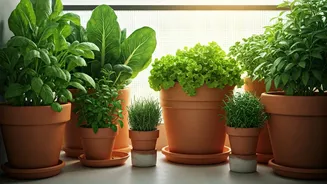
The single biggest threat to balcony plants during the monsoon is not too little water, but too much. Waterlogged soil suffocates the roots, leading to root rot, a condition that is often fatal. Before the season begins, ensure every pot has clear drainage holes at the bottom. You can improve drainage further by adding a layer of broken pottery shards or small stones at the base of the pot before adding soil. Consider using a well-draining potting mix by adding sand or perlite to your regular soil. Placing your pots on small stands or 'pot feet' also helps water escape freely and prevents your balcony floor from staining.
A Pre-Monsoon Pruning Session
Giving your plants a ‘haircut’ just before the rains is a pro-gardener move. Pruning involves trimming away dead, weak, or overgrown branches. This might seem counterintuitive, but it serves two crucial purposes. First, it encourages the plant to sprout new, healthy shoots, leading to a fuller, bushier appearance. Second, it improves air circulation through the plant's foliage, which is vital for preventing the fungal diseases that thrive in damp, stagnant conditions. Focus on shaping your plants and removing any diseased parts to set them up for a healthy growth spurt.
Feeding Your Plants Smartly
With frequent rain, nutrients in the soil can get washed out of the pot quickly. This means you’ll need to fertilise, but strategically. Heavy rains can wash away granular fertilisers before the plant has a chance to absorb them. A better approach is to use a liquid fertiliser every 15-20 days, as it is absorbed more quickly by the roots. Alternatively, opt for a slow-release organic fertiliser like vermicompost or cow dung manure. Mix it into the top layer of the soil; it will release nutrients gradually every time it rains, providing a steady supply of food throughout the season.
Keep an Eye Out for Pests
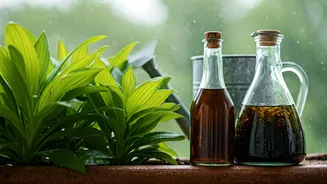
Unfortunately, the damp and humid conditions that plants love are also a breeding ground for pests and diseases. Fungal infections, like powdery mildew, are common. You may also see an increase in slugs, snails, and mealybugs. Be vigilant and inspect your plants regularly, especially the undersides of leaves. For most common issues, a simple, organic solution works best. A spray made from neem oil, water, and a few drops of liquid soap is a powerful, all-purpose pesticide and fungicide that is safe for your plants and the environment. Early detection and treatment are key to keeping your green friends healthy.