
The Invisible Contaminant
Microplastics are tiny plastic particles, less than five millimetres in diameter, that have become a pervasive environmental pollutant. They break down from larger plastic items, shed from synthetic clothing, and are used in everything from fertilisers
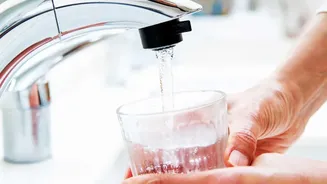
to cosmetics. Their presence in water is a growing concern for both environmental and public health. These minuscule fragments can absorb other harmful pollutants and are so small they often bypass traditional water treatment methods, eventually ending up in our tap water and, potentially, our bodies. The sheer scale of this problem has sent scientists searching for effective, accessible, and low-cost filtration solutions.
What is Agricultural Bio-Char?
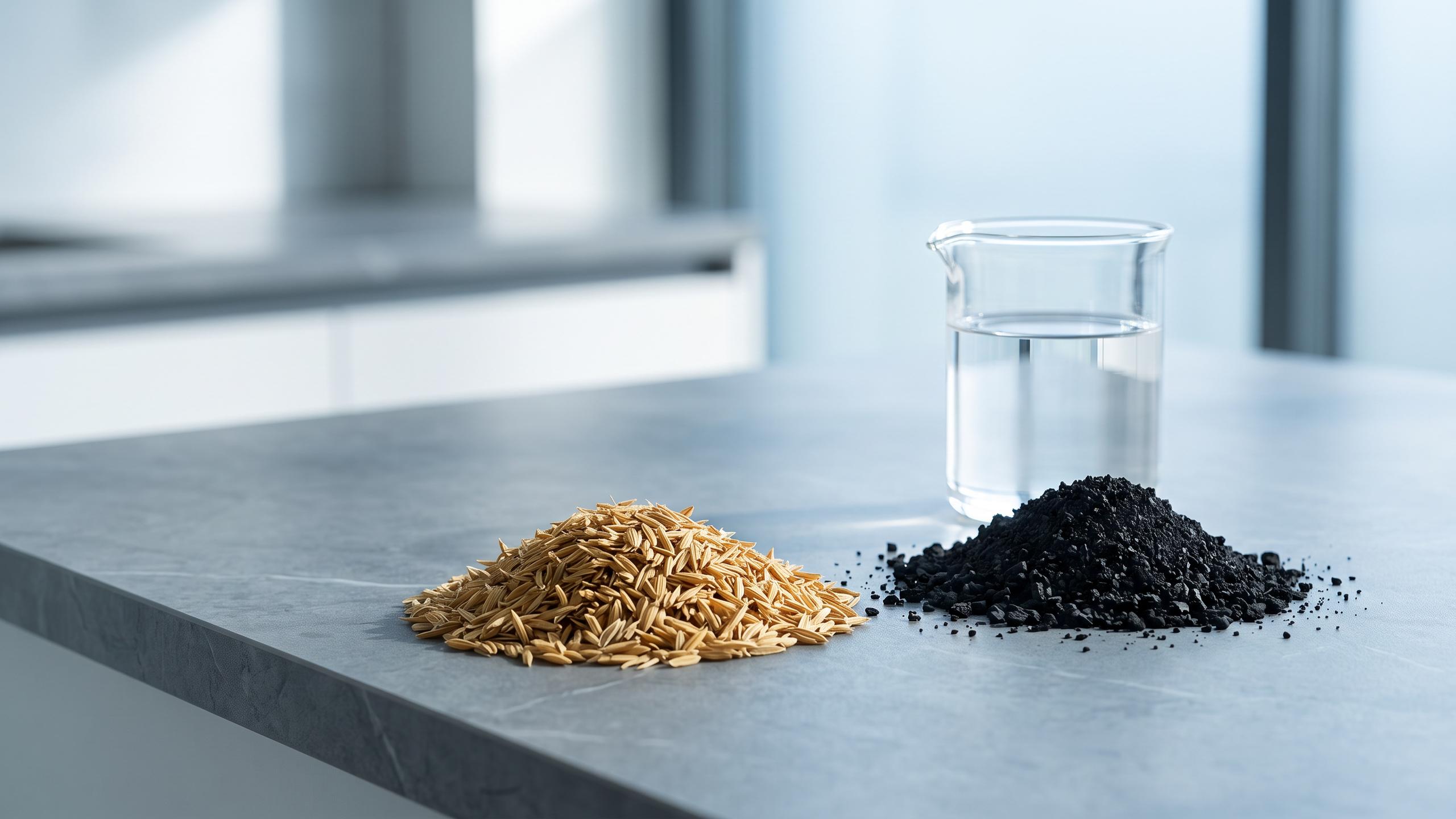
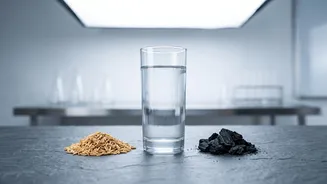
The potential solution comes from an unlikely source: agricultural waste. Bio-char is a black, highly porous, charcoal-like substance. It is created by heating organic materials—such as wood chips, rice husks, sugarcane bagasse, or other crop residues—in a controlled, low-oxygen process called pyrolysis. This method converts the carbon in the plant matter into a stable form that doesn't easily break down. While the concept has ancient roots in soil enrichment practices, scientists are now exploring its powerful filtration capabilities. By transforming farm waste into a valuable purification tool, this innovation embraces a circular economy, turning a disposal problem into a clean water solution.
The Science of Purification
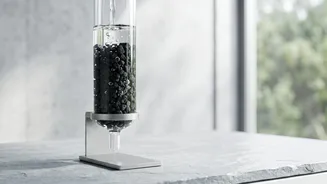
Bio-char's effectiveness lies in its unique physical structure. The pyrolysis process creates a material with an incredibly large surface area, riddled with microscopic pores. This structure works like a high-tech sieve and a magnet combined. The primary mechanism for removal is adsorption, where contaminants physically stick to the vast surface of the bio-char as water passes through. Beyond simple trapping, other forces are at play, including electrostatic attraction and hydrophobic interactions, which help pull and hold the plastic particles. Laboratory studies have shown that bio-char can remove over 90% of microplastics from water, with some specially engineered versions achieving removal rates as high as 99.9%.
From the Lab to the Real World
While the results from controlled lab settings are extremely promising, the journey to widespread, real-world application has its challenges. The effectiveness of bio-char can vary depending on the specific agricultural waste used, the pyrolysis temperature, and the complexity of the water being treated. For example, removal efficiency can be lower in actual wastewater compared to purified lab water due to the presence of other organic matter. Researchers are actively working on optimising and standardising bio-char production to ensure consistent quality and performance. This includes creating modified bio-chars, such as magnetic versions that can be easily removed from water after use, or materials tailored to capture specific pollutants. Despite these hurdles, its low cost and sustainability make it a highly attractive alternative to more expensive technologies.