




1. The Millet Makeover
The biggest shift in modern fasting cuisine is the enthusiastic adoption of millets. For years, sabudana (tapioca pearls), kuttu (buckwheat flour), and singhara (water chestnut flour) were the undisputed staples. While they remain popular, health-conscious
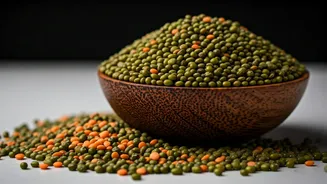
observers are now turning to nutrient-dense millets like samak (barnyard millet) and rajgira (amaranth). Why is this a smart hook? Millets are gluten-free, high in fibre, and have a low glycemic index, providing sustained energy—a crucial benefit during a fast. Instead of the usual puri, home cooks and food bloggers are showcasing everything from samak millet idlis and dosas to rajgira flour crepes and chillas. These dishes are not only lighter on the stomach but also align with the broader wellness trend that has swept the nation.
2. Healthy Hydration and Smoothies
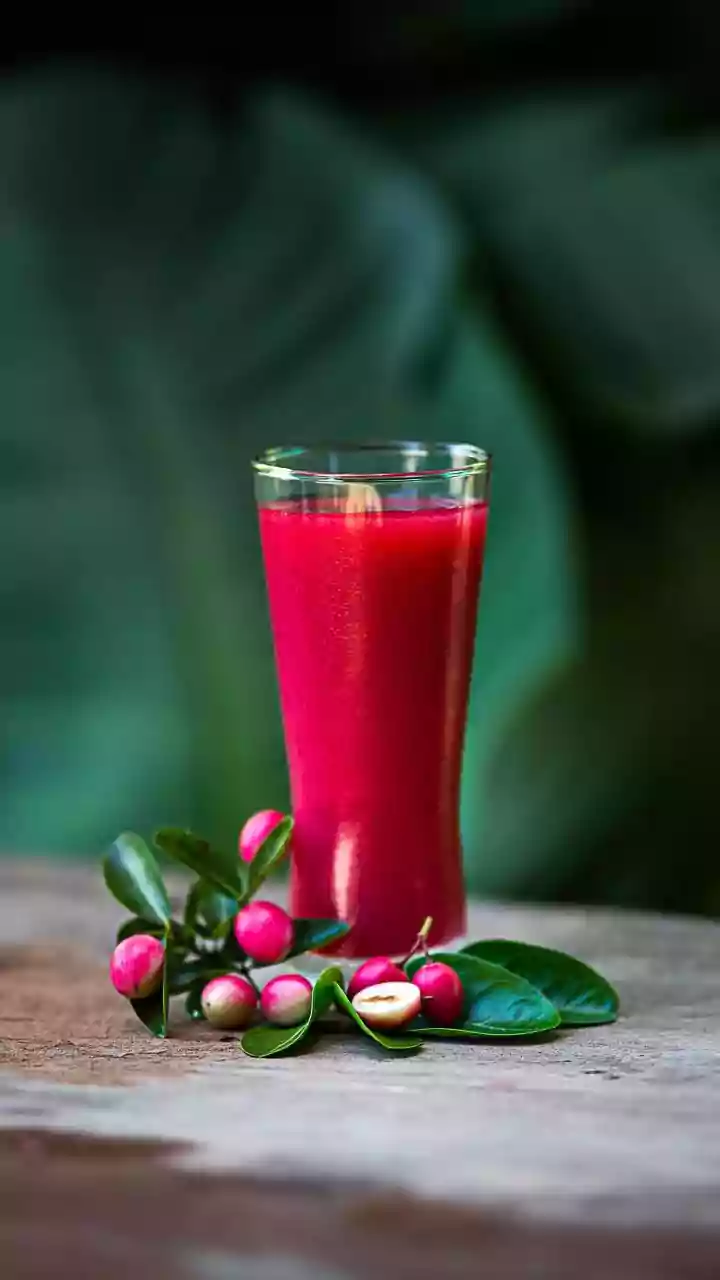
Fasts, especially stringent ones, demand excellent hydration. While water is key, the new recipe hook involves nutrient-packed beverages that do more than just quench thirst. Instead of sugary, store-bought juices, the focus is on homemade smoothies and infused waters. A popular combination involves blending fruits like bananas and apples (both vrat-friendly) with a scoop of yoghurt and a handful of soaked nuts for a complete, liquid meal. Another smart trick is creating cooling drinks from ingredients like kokum, which aids digestion, or blending cucumber and mint for a refreshing cooler. These 'fasting smoothies' are designed to be filling and energy-boosting, making it easier to get through a day of abstinence without feeling completely drained.
3. Gourmet Sabudana Twists
Sabudana khichdi is a timeless classic, but today’s culinary creatives are asking: what else can it do? The humble tapioca pearl is being reimagined in gourmet forms. Think sabudana and sweet potato tikkis served with a mint-yoghurt dip, or crispy sabudana vada sliders using buns made from buckwheat flour. Some chefs are even experimenting with baked sabudana cutlets to reduce oil consumption. This hook works because it takes a familiar comfort food and elevates it, making the fasting meal feel like a special treat rather than a compromise. By pairing it with unexpected flavours and textures—like a crunchy peanut crumble or a sweet-spicy date and tamarind chutney—the classic dish gets a contemporary, Instagram-worthy update.
4. The Rise of Fruit-Based Desserts
Satisfying a sweet tooth during a fast can be tricky, especially with refined sugar off the menu. This limitation has given rise to a fantastic trend: creative, fruit-forward desserts. The smart hook here is using the natural sweetness of fruits, dates, and honey to create wholesome treats. We're seeing beautiful fruit salads drizzled with a pinch of rock salt and black pepper, creamy puddings made from mashed bananas and chia seeds (soaked in coconut milk), and baked apples stuffed with nuts and cinnamon. Another popular idea is 'fruit sandesh,' where paneer is sweetened with date paste and flavoured with cardamom before being moulded around fresh fruit pieces. These desserts are not only permissible but are also light, refreshing, and guilt-free.
5. Power-Packed Nut and Seed Butters
Energy density is the name of the game during a fast. Nuts and seeds have always been a part of the vrat diet, but they were typically eaten whole or roughly chopped. The modern hook is to transform them into versatile butters and pastes. Homemade almond butter or peanut butter (made without roasted legumes for stricter fasts) can be a fantastic source of protein and healthy fats. A spoonful can be added to milk or smoothies, spread on a slice of apple, or used as a base for energy balls mixed with desiccated coconut and chopped dates. This approach provides a concentrated burst of energy and can make simple fruit snacks feel much more substantial and satisfying, helping to keep hunger pangs at bay for longer.