




Wearing the Wrong Clothes and Gear
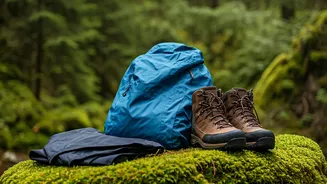
The single most common mistake is wearing cotton. [6] Cotton acts like a sponge when wet, holding moisture against your skin, which can lead to chafing, fungal infections, and even hypothermia in colder conditions. [2, 6] Instead, opt for quick-drying
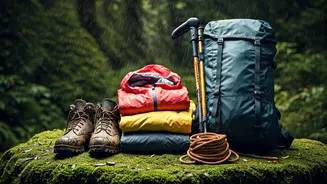
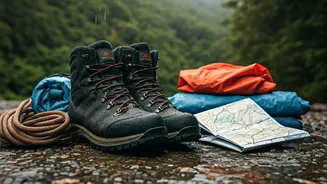
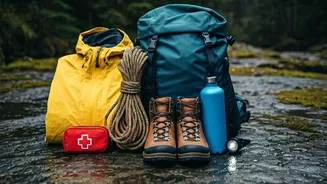
synthetic fabrics like polyester or nylon for your t-shirts and pants. [15, 17] A reliable rain jacket or a poncho is non-negotiable to protect you from downpours. [5, 17] A poncho is often recommended as it can cover both you and your backpack, offering better ventilation than a full rain suit. [5, 13]
Choosing Inappropriate Footwear
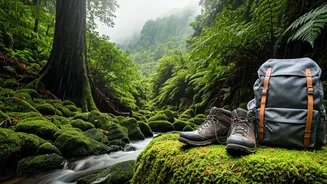
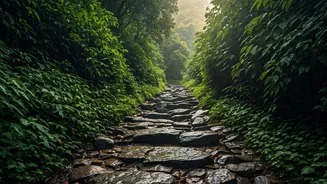
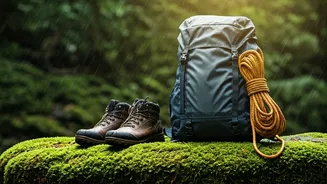
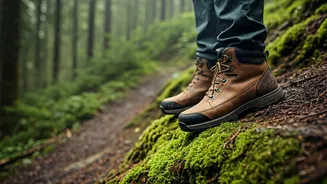
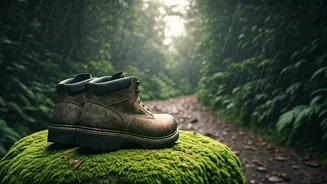
Your regular sports shoes won't cut it on a wet, muddy trail. Monsoon treks demand sturdy, waterproof trekking shoes with deep grooves for excellent grip. [3, 22] Good grip is essential to prevent slips and falls on mossy rocks and slushy paths. [24] High-ankle boots offer additional support and protection. [21] Equally important are your socks. Avoid cotton and pack multiple pairs of synthetic or wool socks. Walking in wet socks for long periods can cause painful blisters and skin issues. [7, 12] Waterproof socks can also be a game-changer. [5, 13]
Failing to Waterproof Your Belongings
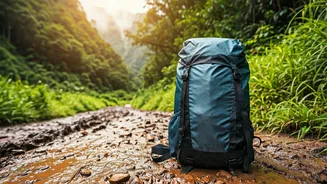
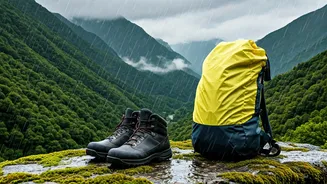
Even if your backpack claims to be waterproof, continuous rain can seep through seams and zippers. [7, 10] Always use a backpack rain cover as your first line of defence. [4, 7] For crucial items like clothes, electronics, and a first-aid kit, use an inner layer of protection. Dry bags or even thick plastic bags can ensure your essentials stay dry no matter what. [7] Store your phone, camera, and power bank in separate Ziploc bags or waterproof pouches to shield them from moisture. [9, 23]
Underestimating the Trail and Weather
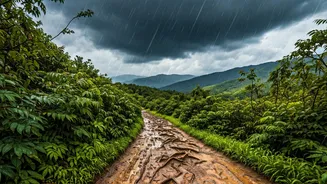
Not all trails are suitable for monsoon trekking. Some routes become prone to landslides or flash floods. [21] Always research your trail and, if possible, check with local guides or authorities about the current conditions. [21, 22] Ignoring weather forecasts is another major risk. [4, 8] Mountain weather can change in an instant. Starting your trek early in the day is a wise strategy, as rain and fog often intensify in the afternoon, reducing visibility. [4, 8]
Forgetting About Leeches and Insects
The monsoon awakens not just flora but also fauna, including leeches and insects. [6] While leeches are mostly harmless, they can cause panic and their bites can become infected if not handled properly. [12] Wearing leech socks or tucking your pants into your socks can offer protection. [5] It's also wise to carry an insect repellent to ward off mosquitoes that breed in stagnant water. [25] A basic first-aid kit with antiseptic, bandages, and anti-fungal powder is essential. [5, 27]
Neglecting Hydration and Nutrition
It's a common misconception that you don't need to hydrate as much when it's cool and rainy. [6] However, trekking is a strenuous activity, and you will lose fluids through sweat. Dehydration can lead to fatigue and poor decision-making. [27] Always carry sufficient water (at least 2 litres) and sip it regularly. [27] Pack energy-rich snacks like nuts, dry fruits, and energy bars to keep your fuel levels up throughout the journey. [14, 24]
Not Using Trekking Poles
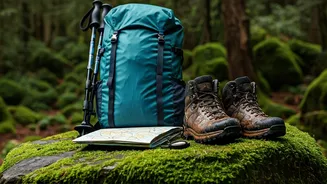
Many trekkers, especially beginners, overlook the importance of trekking poles. On slippery and uneven monsoon trails, poles provide crucial stability and balance. [2, 6] They help you test the ground before committing your full weight, reduce the strain on your knees during descents, and provide support during stream crossings. [6, 22] Think of them as two extra limbs that can significantly reduce your risk of a nasty fall.