

Deconstructing the Delight
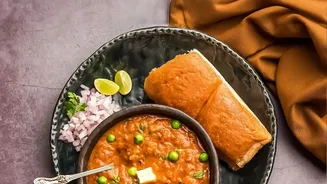
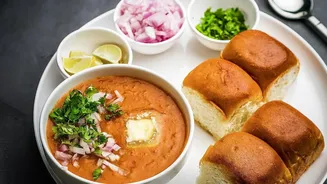
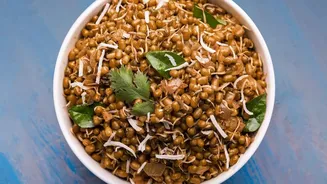
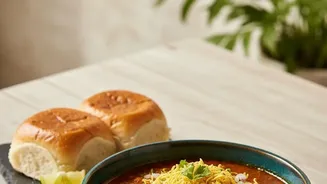
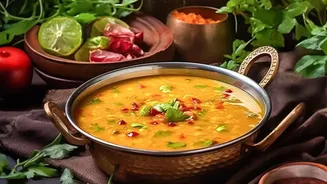
At its heart, Misal Pav is a 'mixture', which is what 'misal' means in Marathi. It’s a layered dish that offers a festival of textures and flavours in every spoonful. The foundation is a flavourful curry called 'usal', typically made from sprouted moth
beans (matki). On top of this comes a thin, fiery gravy known as 'kat' or 'rassa', which often has a shimmering layer of spiced oil called 'tari'. This is then generously garnished with 'farsan' (a crunchy, fried snack mix), finely chopped raw onions, and fresh coriander. A squeeze of lemon adds a final zesty flourish, bringing all the elements together. It’s a complex dish that balances spice, tang, and crunch perfectly.
A Tale of Many Cities
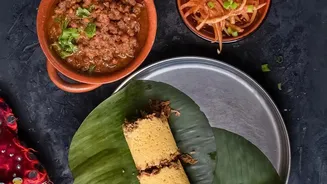
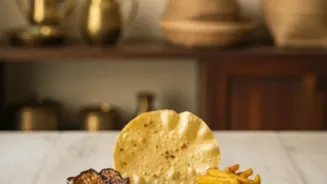
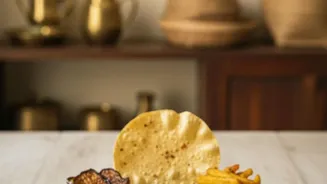
To say there is just one kind of Misal Pav would be a great injustice. The dish is a matter of fierce regional pride, with each city in Maharashtra offering its own unique spin. The Kolhapuri version is legendary for its intense heat, using a special onion-garlic masala that gives it a fiery kick. In contrast, Puneri misal is often milder, sometimes with a hint of sweetness from jaggery, and might include a base of poha (beaten rice). Then there's the Nashik version, which can feature a 'kala rassa' (black gravy) and is often served with papad and yoghurt to temper its spice. Each variant tells a story about its local palate, making the journey of tasting misal across Maharashtra a culinary adventure in itself.
The Perfect Partner: Pav or Bread?
The 'pav' in Misal Pav refers to soft, fluffy bread rolls that are the perfect vehicle for mopping up the delicious gravy. These rolls, a legacy of the Portuguese influence in India, are slightly sweet and incredibly absorbent. While traditionalists will argue that only ladi pav can do the job, the headline's mention of 'bread' is not out of place. In some regions, and especially in homes, sliced white bread is a common and convenient substitute. In fact, some variations, like the Kolhapuri misal, are often preferred with sliced bread instead of pav. Whether it's a pillowy pav or a soft slice of bread, the goal is the same: to have something that can soak up every last drop of the flavourful curry.
More Than Just Breakfast
Originally conceived as a hearty and affordable meal for mill workers and laborers who needed a filling dish to last them through a long day, misal has a storied history. It’s packed with protein from the sprouted beans, making it a nutritious option that delivers sustained energy. A single serving is a complete meal, often containing around 300-400 calories with a good balance of carbohydrates, protein, and fats. Today, it has transcended its humble origins to become a celebrated breakfast item, a go-to brunch, and a beloved street food snack enjoyed by people from all walks of life. It is a cultural symbol, bringing people together in bustling eateries across the state.
How to Eat It Like a Pro
Assembling Misal Pav is a ritual. You start with the usal and rassa in a bowl. Then, you pile on the toppings: a generous handful of crunchy farsan, a spoonful of sharp raw onion, and a sprinkle of fresh coriander. Give it a good squeeze of lemon. The final step is to tear off a piece of pav, dip it into the glorious mixture, and ensure you get a bit of everything in one bite—the soft, spicy sprouts, the fiery gravy, the crunchy farsan, and the fresh onion. The contrast is what makes it magical: the heat of the curry is cut by the zesty lemon and the raw onion, while the soft pav provides a perfect counterpoint to the crunchy farsan. It’s a performance for your palate.