

A Celestial Spectacle Explained
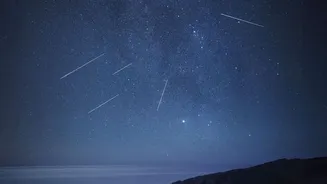
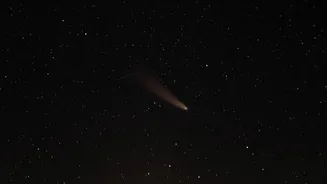
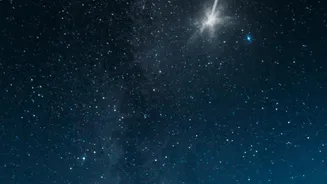
The Perseid meteor shower is an annual event that peaks in mid-August. It occurs when the Earth passes through the trail of debris left by the Comet Swift-Tuttle. These tiny particles, some no bigger than a grain of sand, enter our atmosphere at high
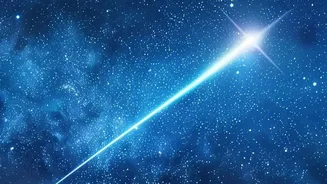
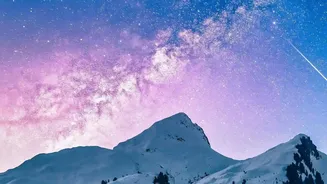
speeds and burn up, creating the brilliant streaks of light we call 'shooting stars'. This year's peak, happening on the night of August 12-13, is set to be particularly special. The event coincides with a new moon, which means the sky will be exceptionally dark, allowing even fainter meteors to be visible. Under ideal conditions, you could see up to 100 meteors per hour.
Essential Tips for the Best Viewing
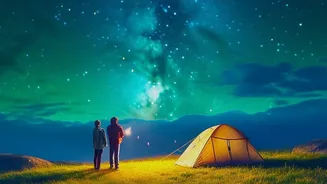
You do not need a telescope or binoculars to enjoy the show; in fact, the naked eye is best for catching the wide arcs of the meteors. The most important factor is getting away from city light pollution. Find a safe, open space with an unobstructed view of the sky. Give your eyes at least 20 to 30 minutes to adjust to the darkness; this means putting your phone away. Lie on a blanket or reclining chair for comfort. The best viewing time will be from after midnight until the pre-dawn hours, around 2:00 AM to 4:30 AM IST on August 13. Patience is key, as the meteors will appear in spurts.
Spiti Valley, Himachal Pradesh
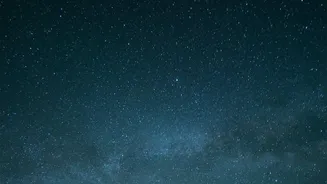
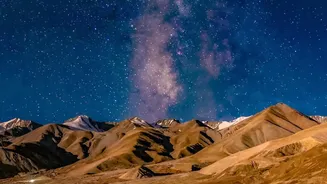
Often called a 'cold desert', Spiti Valley is arguably one of the best places in Asia for stargazing. Its high altitude, clear skies, and minimal light pollution create a perfect natural observatory. The thin, dry air above 3,500 metres means less atmospheric distortion, making the stars appear incredibly sharp and bright. Villages like Kaza, Langza, and Kibber are ideal bases. The vast, silent landscapes provide an almost spiritual backdrop for watching meteors streak across a sky thick with stars and the visible Milky Way.
Rann of Kutch, Gujarat
The Great Rann of Kutch offers a unique and dramatic setting. The enormous, flat salt desert provides a completely unobstructed 360-degree view of the horizon. During a moonless night, the contrast between the pale ground and the dark sky is breathtaking. Away from the lights of the Rann Utsav and nearby towns, the area around Dhordo offers profound darkness. The sheer openness means you will not miss a single shooting star, no matter which part of the sky it appears in. The monsoon is a concern, so check local weather, but this rain-shadow region can offer clear nights.
Ladakh
Ladakh is a legendary destination for stargazers, and for good reason. It boasts some of the darkest skies in the world. Locations like Pangong Tso and the Nubra Valley are classics, offering otherworldly landscapes to complement the celestial show. For the ultimate experience, Hanle is home to India's first Dark Sky Reserve and the Indian Astronomical Observatory. Its high altitude and arid climate guarantee an exceptionally high number of clear nights. Here, the meteor shower will not just be a celestial event, but an immersive cosmic experience.
Coorg, Karnataka
For those in South India, the rolling hills of Coorg (Kodagu) offer a wonderful escape from city lights. The region's coffee and spice plantations, situated at a moderate altitude, have numerous areas with low light pollution. Find a homestay or resort away from the main towns of Madikeri or Virajpet. The winding roads and misty valleys create pockets of darkness perfect for setting up a blanket and looking up. The lush greenery provides a different, more intimate feel compared to the starkness of the deserts, but the view of the stars can be just as magnificent on a clear night.