




Why Rice Water Works
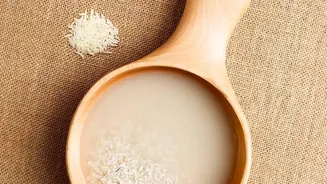
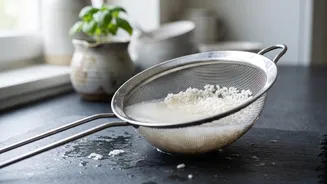
The milky liquid left over from washing rice is packed with starch, which acts as food for beneficial soil microbes. These microorganisms help break down organic matter, making nutrients more available to your plants. The water also contains small amounts
of nitrogen, phosphorus, and potassium (NPK), the three primary macronutrients for plant growth, along with B vitamins that can promote root development. It’s not a replacement for a balanced fertiliser, but it serves as an excellent, zero-cost supplement.
Plain vs. Fermented: Choosing Your Method
There are two main ways to prepare rice water for your plants. The simplest method is to collect the water from rinsing uncooked rice and use it immediately. This 'plain' rice water is a mild supplement perfect for regular use. For a more potent option, you can ferment the rice water. To do this, let the cloudy rinse water sit in a loosely covered jar at room temperature for three to five days, or until it develops a slightly sour smell. The fermentation process significantly boosts the levels of nutrients and beneficial bacteria, like lactobacilli, which enhance soil health.
How to Apply Rice Water to Your Plants
Proper application is key to reaping the benefits without causing harm. Plain rice water can be used undiluted, but it’s a good practice to mix it with an equal part of fresh water. For the more potent fermented rice water, dilution is essential; a ratio of one part fermented water to ten parts fresh water is a safe starting point. Use this solution to water your plants at the soil level once every week or two, in place of a regular watering. This frequency prevents the buildup of too much starch, which can harden the soil surface.
Which Plants Benefit the Most?
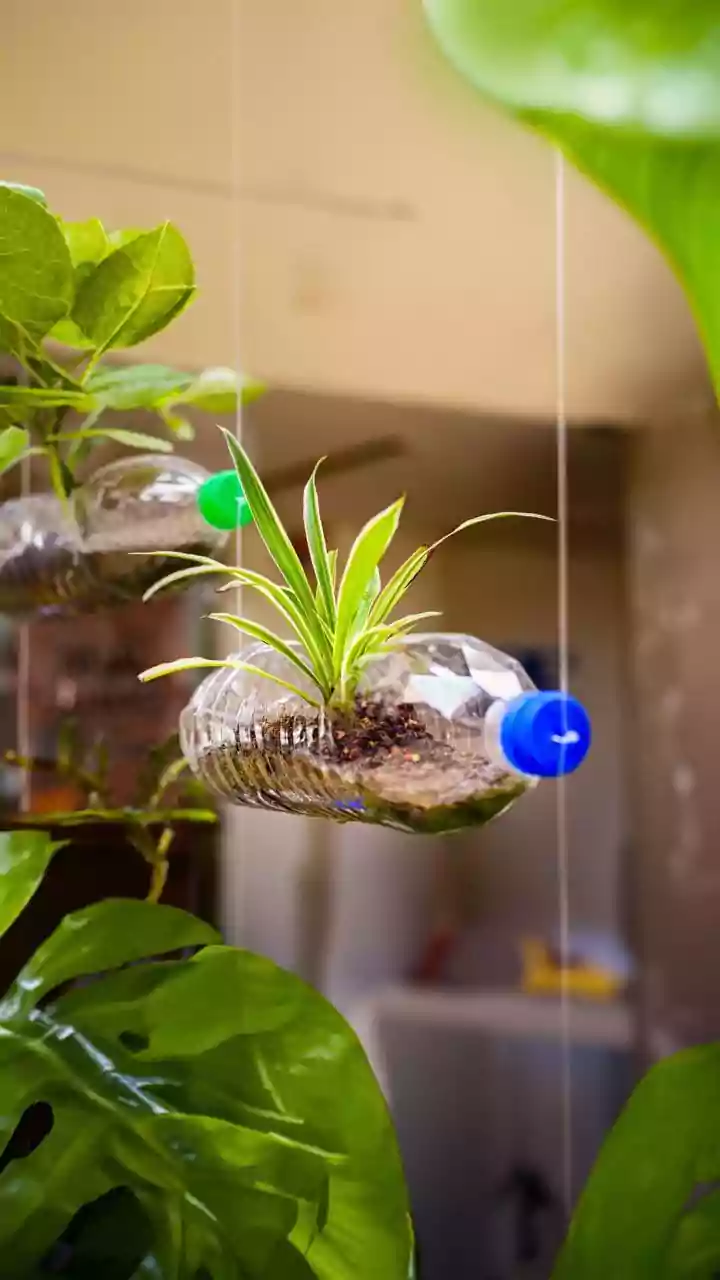
Many common household and garden plants respond well to this treatment. Indoor plants like pothos, snake plants, and spider plants can benefit from the gentle nutrient boost. In the vegetable garden, plants like tomatoes, chillies, and leafy greens such as spinach often show improved growth. The slightly acidic nature of fermented rice water makes it particularly useful for acid-loving plants like tomatoes. However, you should avoid using it on succulents and cacti, as the extra starch and moisture can encourage root rot in these dry-loving species.
Potential Risks and How to Avoid Them
While beneficial, rice water is not without its drawbacks if misused. Overuse can lead to a starchy crust forming on the soil, which can block oxygen from reaching the roots. This starchy residue can also attract pests like ants and fungus gnats. Furthermore, never use water from cooking rice if you have added salt, as salt is harmful to plant roots. The key is moderation. Always dilute, especially when using fermented water, and allow the soil to dry out between applications to prevent fungal growth or other issues.