





Know FSSAI’s Official Channels
The first step in fighting fake news is knowing where to find the facts. The Food Safety and Standards Authority of India (FSSAI) has several official platforms. The primary website is fssai.gov.in, and for consumer complaints and license verification,
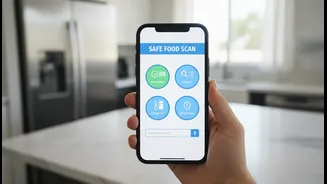
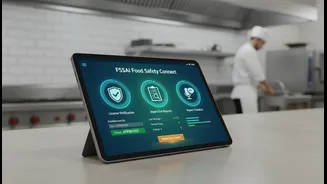
they have a dedicated portal called FoSCoS (foscos.fssai.gov.in). Most importantly, FSSAI has an official consumer grievance platform called 'Food Safety Connect'. This is available as a mobile app and web portal, allowing you to report issues and verify information directly from the source. Any claim that does not originate from or is not confirmed on these official channels should be treated with suspicion.
Verify the FSSAI License Number
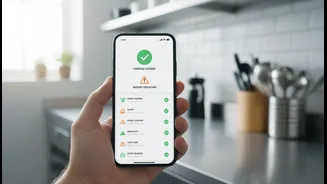
Every legitimate food business operator (FBO) in India must display a 14-digit FSSAI license number on their product packaging. This number is your most powerful tool for verification. Instead of trusting a viral video, simply check the product's label for this number. You can then visit the FoSCoS portal and use the 'FBO Search' feature to enter the number. The portal will instantly show you if the license is valid, who it belongs to, and what kind of food business it covers. If the details don't match the product in your hand, or if the license is expired or invalid, you have found a major red flag.
Look for Telltale Signs of a Hoax
Misinformation often follows a predictable pattern. Be wary of messages that use sensational and emotional language, such as claims that a product causes cancer or contains dangerous substances like plastic. Hoaxes like 'plastic rice', 'plastic cabbage', and contaminated fruit juices have been repeatedly debunked by FSSAI. These messages often create a sense of urgency, urging you to 'share immediately' to warn friends and family. They rarely cite credible sources and often use poor grammar or doctored images of official-looking documents. Real alerts from FSSAI are professional and published through official channels, not forwarded on WhatsApp.
Cross-Check with Reputable News Sources
If a food safety claim is significant, it will be reported by credible news organizations. A quick search online for the claim can often debunk it within seconds. Check if mainstream news outlets are covering the story. Furthermore, FSSAI itself maintains a 'Myth Buster' section on its website specifically to address and clarify viral misinformation. This section provides scientific explanations for why certain claims, like salt being adulterated with detergent or insects being permitted in chocolate, are false. Before you believe a claim, see if it has been officially confirmed or debunked.
Understand Misleading Health Claims
Beyond outright hoaxes, be critical of marketing claims on packaging. FSSAI has recently increased its scrutiny of brands using misleading terms like 'healthy', 'natural', or 'no added sugar'. A fruit juice claiming 'no added sugar' might still contain high levels of sugar from fruit concentrates or sugarcane juice. Similarly, a product labeled 'organic' should be backed by an official certification logo like the 'Jaivik Bharat' mark. Always read the full ingredient list and nutrition panel, not just the marketing buzzwords on the front of the package.
Report, Don’t Amplify
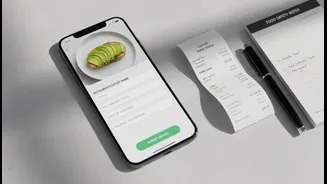
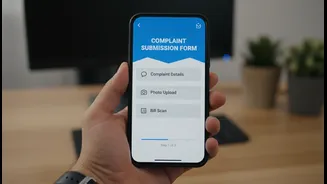
If you encounter a suspicious product or a dubious claim, the most helpful action is not to share it with your contacts. Instead, become part of the solution by reporting it to the authorities. Use the 'Food Safety Connect' app to lodge a grievance. The app allows you to upload photos, provide details, and receive a tracking ID to monitor the status of your complaint. This ensures that your concern is directed to the correct food safety officers who can investigate and take appropriate action, which is far more effective than contributing to a cycle of fear and misinformation.