





The New Wave of Dinnerware
For years, the choice for everyday plates was typically between heavy, breakable ceramics and cheap, environmentally harmful plastics. But a quiet revolution is taking place in our kitchens and dining rooms. Driven by a growing desire for sustainable
living, consumers and manufacturers are embracing a new category of tableware made from plant fibres. [12, 20] This trend isn't just about disposable party plates anymore; it's about durable, reusable, and beautifully designed dinnerware that fits a modern, conscious lifestyle. [17] These 'future-ready' plates are crafted from agricultural byproducts and fast-growing plants, turning potential waste into something wonderful. [16]
From Farm Waste to Fibre Plates
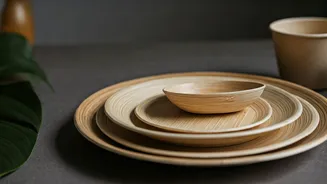
The term 'fibre' covers a range of impressive natural materials. Among the most popular are sugarcane bagasse, wheat straw, and bamboo. [21] Sugarcane bagasse is the fibrous pulp left over after juice is extracted from sugarcane stalks. [15] Instead of being burned or discarded, this agricultural waste is now moulded into sturdy, heat-resistant plates and bowls. [2, 11] Similarly, wheat straw, the stalk remaining after harvesting wheat grains, is repurposed into lightweight and durable dinnerware that is BPA-free and safe for the whole family. [7, 10] Bamboo, technically a fast-growing grass, is another hero material. [26] It requires minimal water and no pesticides to grow, making it a highly renewable resource for creating everything from plates to cutlery. [25, 29]
The Eco-Friendly Advantage
The primary appeal of fibre plates is their environmental credentials. Unlike plastic, which can take hundreds of years to break down and releases harmful microplastics, plant-based materials are designed to return to the earth. [14, 16] Many of these products are not just biodegradable but also compostable, meaning they can break down into nutrient-rich compost within a few months under the right conditions, typically in an industrial composting facility. [3, 4, 15] This process supports a circular economy, where waste is minimised and resources are regenerated. [11] By using agricultural byproducts like bagasse and wheat straw, these products also reduce waste at the source and lessen the air pollution that would result from burning these materials. [7, 18]
Practical, Safe, and Stylish
Sustainability doesn't come at the cost of performance. In fact, fibre plates offer numerous practical benefits. They are surprisingly durable and shatter-proof, making them a great choice for families with children or for outdoor dining. [7, 23] Many are designed to be microwave and freezer-safe, offering a level of convenience that some plastics and ceramics don't. [10, 27] From a health perspective, they are a safer alternative to plastic, as they are generally free from harmful chemicals like BPA. [16, 28] Aesthetically, these plates have evolved far beyond basic beige disposables. With modern shapes, natural textures, and a range of earthy colours, they align perfectly with contemporary design trends that favour minimalist and nature-inspired looks. [12, 17]
Making the Conscious Choice
As these eco-friendly options become more mainstream in India, with numerous manufacturers offering bagasse and other plant-fibre products, it's easier than ever to make the switch. [2, 11, 15] When shopping, look for clear labelling that confirms the material and its disposal credentials, such as 'compostable' or 'biodegradable'. [3] While biodegradable means an item can be broken down by microorganisms, the term 'compostable' is often more regulated, referring to items that break down into non-toxic components within a specific timeframe in composting conditions. [4, 21] Caring for reusable fibre plates is simple, with many being dishwasher-safe. [23] By choosing fibre-based dinnerware, consumers are not just buying a plate; they are investing in a healthier planet and a more sustainable future, one meal at a time.