




So, Where Exactly Is Jowai?
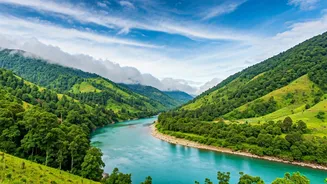
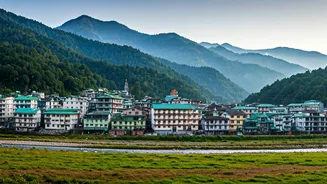
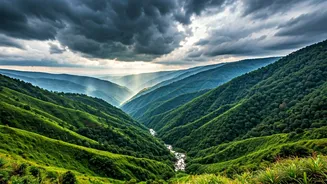
Jowai is the headquarters of the West Jaintia Hills district in Meghalaya. Situated about 66 kilometres from Shillong, this town is nestled on a plateau, surrounded on three sides by the crystal-clear Myntdu River. Unlike the more bustling tourist hubs,
Jowai offers a more serene and less crowded experience, steeped in the unique culture of the Pnar people, a subtribe of the Khasis. It's a place where history, culture, and stunning natural landscapes intersect, serving as a crucial hub for the entire region. For years, it has been a beloved getaway for locals, but now, the rest of the country is starting to take notice.
The Unfiltered Allure of Krang Suri
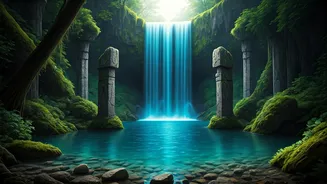
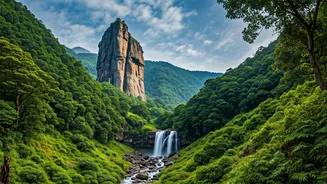
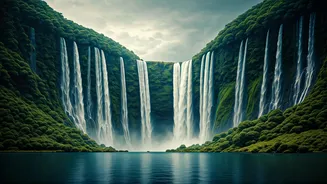
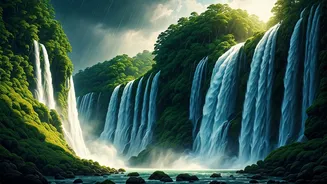
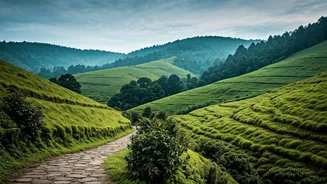
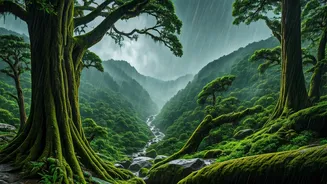
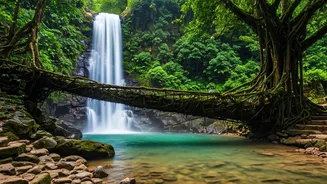
Much of Jowai's newfound fame can be credited to one specific, jaw-dropping location: the Krang Suri waterfalls. Often dubbed one of India's most magical waterfalls, Krang Suri is famous for its ethereal, turquoise-coloured pool that looks like something out of a fantasy film. The water is so clear you can see the riverbed below, making it a paradise for swimmers and photographers alike. A short, scenic walk down a well-paved path leads you to this curtain-like cascade, where you can take a dip in the refreshing water (with a mandatory life jacket) or simply soak in the tranquil atmosphere. This single spot, shared countless times online, has acted as a powerful invitation for travellers seeking surreal natural beauty.
Beyond the Falls: Culture and Scenery
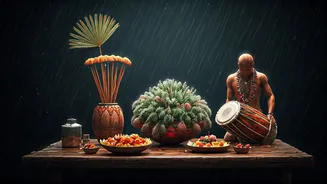
While Krang Suri might be the main draw, those who explore further find a town and region rich with other treasures. Jowai is the cultural heart of the Jaintia people, and its traditions are vibrant and alive. The most significant cultural event is the Behdeinkhlam festival, a colourful and energetic celebration held annually in July to chase away sickness and pray for a bountiful harvest. In 2026, the festival is scheduled from July 11th to 14th, offering a raw, authentic cultural experience unlike any other. Beyond festivals, the region boasts the stunning Thadlaskein Lake, the impressive Nartiang Monoliths—a collection of ancient stone structures—and Syntu Ksiar, a beautiful spot on the Myntdu River that holds historical importance.
Why Jowai, and Why Now?
Jowai's emergence into the mainstream travel conversation isn't accidental. It represents a larger shift in what Indian travellers are looking for: authentic experiences, offbeat destinations, and a connection with nature. The rise of visual social media platforms has allowed hidden gems like Jowai to bypass traditional travel media and speak directly to potential visitors. A single stunning reel from Krang Suri can inspire thousands of travel plans. Furthermore, Meghalaya has been actively promoting sustainable and community-led tourism. This approach ensures that the economic benefits of tourism reach local communities and helps preserve the fragile ecosystems that make these places so special. Travellers are increasingly drawn to destinations that feel responsible and eco-conscious, a box that Jowai and its surroundings are well-positioned to tick.
A Responsible Traveller's Guide
Thinking of answering Jowai's call? The best time to visit is generally between October and May, when the weather is pleasant and the skies are clear. The monsoon season (June to September) brings heavy rains that amplify the beauty of the waterfalls but can make travel treacherous. Jowai is accessible by road from Shillong, which has the nearest regional airport, and Guwahati, which has better national connectivity. Accommodation options in Jowai itself are more limited compared to Shillong, so booking in advance or planning day trips from a larger base is a good idea. As with any visit to an eco-sensitive area, the mantra is to travel responsibly: support local businesses, respect cultural norms, avoid single-use plastics, and leave no trace behind.