





Pick 1: The Right Rain-Ready Plants
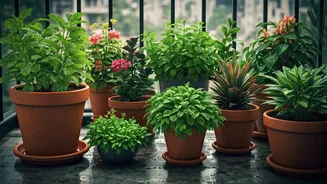
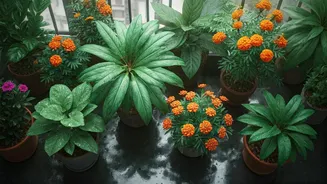
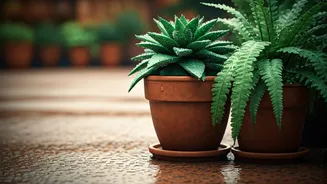
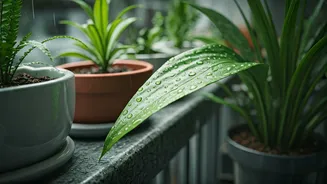
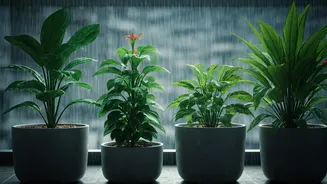
Success starts with choosing plants that thrive in high humidity and moisture. [12] For vibrant flowers, Hibiscus is an excellent choice as it flourishes in warm, moist climates. [11, 12] Jasmine and Marigolds are also great picks; jasmine offers a beautiful
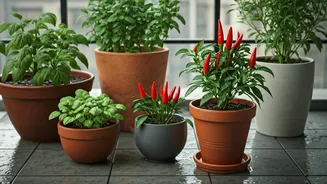
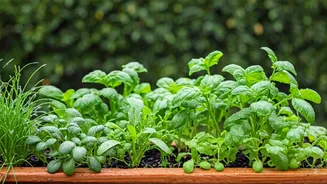
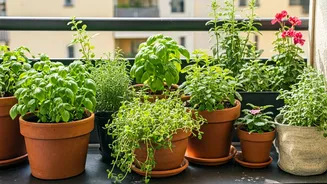
fragrance, while marigolds are known to be pest-resistant. [12, 14] If you prefer lush foliage, consider Money Plants, Areca Palms, and various Ferns, which all love the humid, shady conditions of the monsoon. [2, 14] For those wanting to grow their own food, this is the perfect time for leafy greens like Spinach (Palak) and herbs like Mint (Pudina). [3] Vegetables such as okra (bhindi), cucumbers, and brinjal also do well in containers during this season. [2]
Pick 2: Pots That Prioritise Drainage
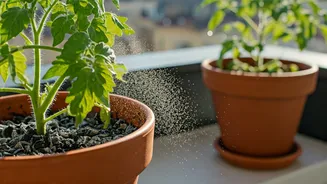
The single most important rule for monsoon gardening is ensuring proper drainage to prevent waterlogging, which can lead to root rot. [2, 13] Terracotta or unglazed ceramic pots are ideal because their porous walls allow excess moisture to evaporate. [9] Regardless of material, make sure every pot has at least one, if not multiple, drainage holes at the bottom. [7, 9] During the monsoon, it's best to remove the saucers or trays from under your pots, as they collect stagnant water which can become a breeding ground for mosquitoes and lead to root disease. [2, 5] If you must use them, be sure to empty them daily. [5] Elevating pots on small bricks or stands is another effective way to help excess water drain away freely. [13]
Pick 3: A Lightweight, Well-Draining Potting Mix
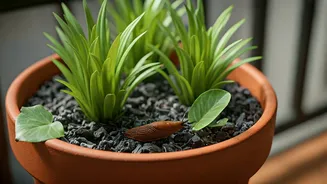
Heavy garden soil is not suitable for containers as it compacts easily, blocking drainage and suffocating roots. [17, 22] A good potting mix for the monsoon needs to be light, airy, and quick-draining. [13] You can buy a commercial soilless mix, or easily make your own. [17] A reliable DIY recipe involves blending ingredients that provide aeration, moisture retention, and nutrients. A great formula is a mix of garden soil, compost, and cocopeat in a 1:1:1 ratio. For even better drainage, add a handful of coarse sand or perlite to the mix. [3, 18] This creates a balanced environment that holds enough moisture for the roots without becoming waterlogged. [18, 21]
Pick 4: Proactive Pest & Fungi Control
The warm, wet weather of the monsoon is an open invitation for pests and fungal diseases like powdery mildew and root rot. [4, 20] Prevention is your best strategy. Regularly inspect your plants, especially the undersides of leaves, for common pests like aphids, mealybugs, and whiteflies. [5, 7] A simple, natural pesticide made from neem oil sprayed every 7-10 days can keep most infestations at bay. [3, 6] To prevent fungal growth, ensure good air circulation by not overcrowding your plants. [8, 13] You can also sprinkle cinnamon powder on the topsoil, as it acts as a natural fungicide. [6] Pruning dead or yellowing leaves and flowers promptly will also help improve airflow and reduce the risk of disease. [5, 15]
Pick 5: Smart Monsoon Care Techniques
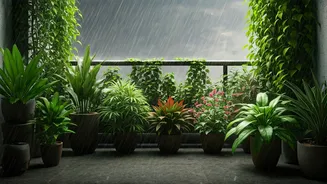
During the monsoon, you'll need to adjust your watering schedule; only water when the top inch of soil feels dry. [6, 13] Heavy downpours can damage delicate plants or erode soil from pots. [5] If possible, move sensitive plants to a sheltered part of the balcony during intense rain. [5] You can also add a layer of mulch, like coco husk or dry leaves, on top of the soil. [3] This prevents soil from splashing out and helps retain nutrients. [15] For taller or climbing plants, provide sturdy support with stakes or ties to protect them from strong winds. [3, 13] Finally, remember that plants grow actively this season, but it's best to fertilise sparingly. A small amount of organic compost every 3-4 weeks is sufficient. [5]