




Start with a Clean Slate
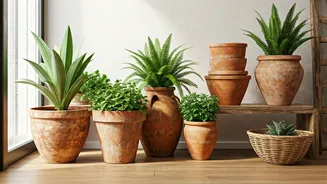
Before you can create a masterpiece, you need a blank canvas. Old terracotta pots often have dirt, mineral deposits, or a white, chalky residue called efflorescence. Give your pots a thorough scrub with a stiff brush, warm water, and a bit of dish soap.
For stubborn mineral stains, a solution of one part white vinegar to four parts water can work wonders. Soak the pot for about 30 minutes, then scrub and rinse thoroughly. The most important step? Let it dry completely. Terracotta is porous and holds moisture, which can ruin a paint job. Allow at least 24-48 hours for the pot to air dry before you start your project.
The Modernist Makeover
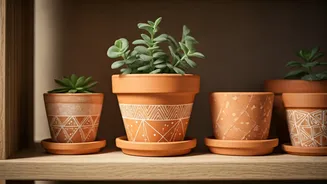
For a clean, contemporary look, nothing beats a simple coat of paint. Matte-finish chalk paint or acrylic craft paint works beautifully on terracotta, providing excellent coverage and a velvety finish. Try a classic monochrome look with solid black or white, or get creative with color blocking. Use painter’s tape to create crisp, geometric lines, chevrons, or simple half-and-half designs. A pop of a single bright color—like cobalt blue or sunny yellow—on a neutral pot can create a stunning focal point. This minimalist approach allows the simple, classic shape of the pot to shine while updating it for a modern interior.
Embrace the Aged Look
If your style leans more rustic, farmhouse, or European-inspired, you can create a faux-aged look that suggests years of use in a country garden. One popular technique involves using a mix of paint and dirt. After applying a base coat (a light gray or beige works well), let it dry. Then, use a dry brush to lightly dab on a darker color, like dark gray or brown, focusing on areas that would naturally age. Before it dries completely, gently rub some dirt or sand onto the surface to create an authentic, weathered texture. Another method is the “German schmear,” using joint compound or plaster to create a thick, textured, old-world finish. Smear it on unevenly, leaving parts of the original terracotta peeking through.
Add Intriguing Texture
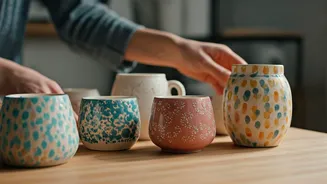
Transform a simple pot into a sculptural object by adding texture. You can buy pre-mixed textured spray paints that create a stone or sand-like finish with ease. For a more hands-on approach, mix a small amount of fine sand or baking soda into your acrylic paint to give it grit and body. Another trending technique is to use joint compound. Apply a thick layer with a putty knife, then use your fingers, a comb, or other tools to create lines, swirls, or a rough, stucco-like surface. Once the compound is fully dry (this may take a day or two), you can paint it any color you like for a bespoke, high-end look.
Think Beyond the Plant
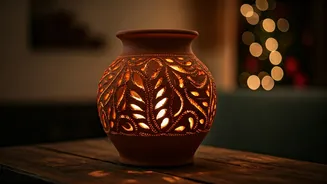
Who says a pot has to hold a plant? Upcycled terracotta can serve a multitude of functions around the house. A small, beautifully painted pot can become a chic pencil holder for your desk or a caddy for makeup brushes on your vanity. Turn a larger pot upside down, pair it with its saucer on top, and you have a rustic pedestal for displaying candles or other small decorative objects. A collection of small, painted pots can be grouped together on a shelf as purely sculptural art. By reimagining its purpose, you can integrate this sustainable material into any room of your home.
Seal the Deal
After all your hard work, the final step is to protect your creation. If the pot is going to live outside or hold a plant that needs watering, sealing is non-negotiable. Water wicking through the porous terracotta can cause paint to bubble and peel from the inside out. Use a clear matte or satin sealant spray designed for craft projects or outdoor use. Apply a coat to both the inside and outside of the pot for maximum protection. This not only preserves your design but also makes the pot more durable and easier to clean.