

It’s a familiar story: a beautiful bunch of fresh herbs, bought for one recipe, slowly wilts in the fridge. This simple guide shows you how to capture that peak flavor, saving both your herbs and your money for delicious meals anytime.
The Genius of Oil Preservation
Drying herbs is
a classic preservation method, but it can diminish the vibrant, fresh taste you love. Freezing herbs in water is another option, but it often leads to mushy, browned leaves. Freezing herbs in olive oil, however, is a game-changer. The oil acts as a protective barrier, shielding the delicate leaves from air and preventing freezer burn. This process preserves the herb's color and, most importantly, its potent flavor compounds. When you're ready to cook, the herb-infused oil melts quickly and evenly, creating an instant flavor base for your dish. It’s an elegant solution that ensures the essence of your summer garden or farmers' market haul is ready for winter stews, sauces, and sautés.
Choosing the Right Herbs
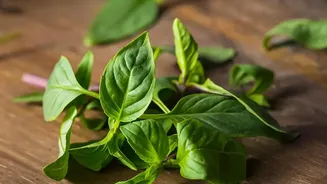
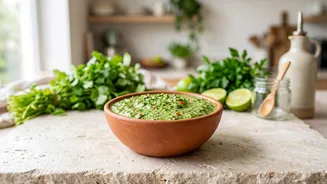
While you can technically freeze any herb, this method works exceptionally well for hardier, wood-stemmed herbs. Think rosemary, thyme, sage, and oregano. These sturdy herbs hold up beautifully and their flavors are a natural fit for olive oil. You can freeze softer, more delicate herbs like basil, parsley, cilantro, and mint this way too, but be aware their texture will change. Once thawed, they won't be suitable for a fresh garnish but are perfect for stirring into cooked dishes like soups, stews, or pasta sauces where their flavor can shine. For basil, some chefs recommend tossing the leaves in oil before packing them into bags to freeze, which helps prevent bruising and browning.
A Simple Step-by-Step Guide
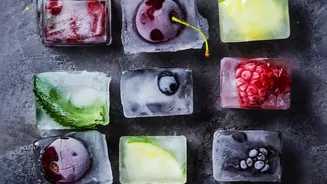
The process couldn't be easier. Start with clean, thoroughly dry herbs, as any water can cause ice crystals to form. First, decide if you want to use whole leaves or chopped herbs. Chopping them beforehand makes them recipe-ready. Pack the wells of a clean ice cube tray—silicone trays are great for easy removal—about two-thirds to three-quarters full with your herbs. You can stick to single herbs or create your own custom blends, like a classic poultry mix of sage, thyme, and rosemary. Next, pour a good quality olive oil over the herbs, ensuring they are completely submerged. This is key to preventing exposure to air. Cover the tray with plastic wrap or a lid and place it on a level surface in your freezer overnight.
Storing for Lasting Freshness
Once your herb cubes are frozen solid, don't leave them in the open tray where they can pick up freezer odors. Pop the cubes out and transfer them into an airtight freezer bag or container. This is the most important step for longterm storage. Squeeze as much air as possible out of the bag before sealing it. Be sure to label each bag with the type of herb (or blend) and the date you froze them. This small organizational step will save you from guessing games later. Stored properly, your herb and oil cubes will retain their best flavor for up to six months, giving you a long window of culinary creativity.
Unlocking Flavor in Your Kitchen
Using your frozen herb bombs is effortless. There’s generally no need to thaw them first. For soups, stews, and sauces, simply drop a cube or two directly into the pot as it simmers. To start a skillet dish, melt a cube over medium heat to create an instant aromatic base for sautéing onions, garlic, or vegetables. You can also thaw a cube to use in marinades for meat and fish or whisk it into a flavorful salad dressing. A single cube dropped over roasting vegetables before they go in the oven adds a layer of flavor you can't get from dried herbs. It's a simple, versatile tool that elevates everyday cooking.