



From Government Monopoly to Commercial Hotbed
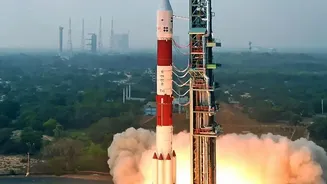
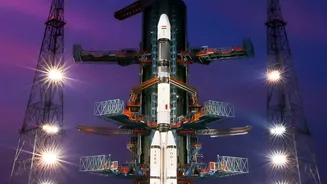
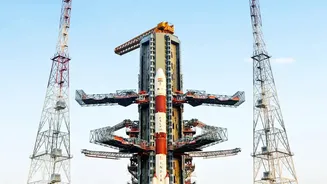
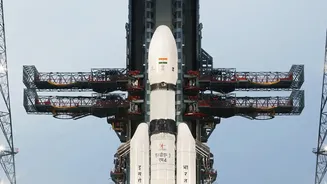
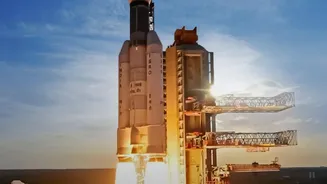
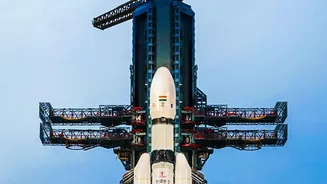
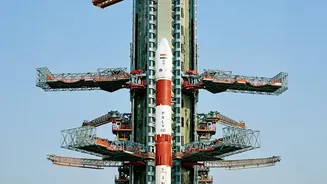
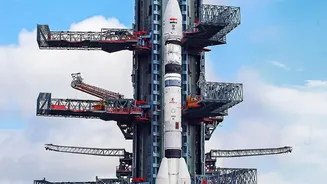
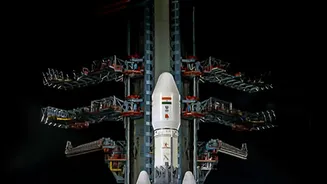
India's space program, long a source of national pride, was historically the exclusive domain of the state-run Indian Space Research Organisation (ISRO). This model produced incredible technological feats, but the global space economy was changing. In June
2020, the Indian government announced historic reforms, opening the sector to private enterprise. The establishment of the Indian National Space Promotion and Authorization Centre (IN-SPACe) was the centerpiece of this shift. Acting as a single-window agency, IN-SPACe was designed to promote, regulate, and facilitate private companies' participation, allowing them access to ISRO's world-class facilities and expertise. This policy unlock has ignited a boom, with the number of registered space startups soaring from just one in 2014 to around 440 by mid-2026.
The Race to Democratize Launches
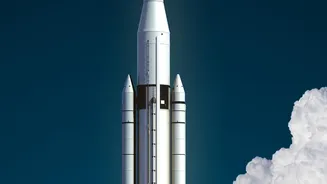
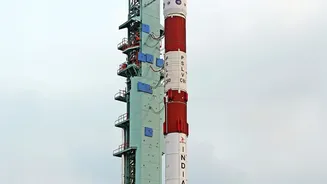
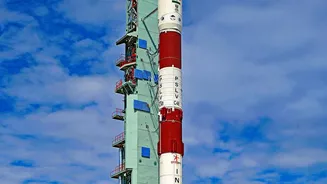
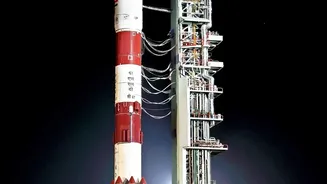
One of the most visible impacts of this new ecosystem is in launch services. Startups like Hyderabad-based Skyroot Aerospace and Chennai-based Agnikul Cosmos are at the forefront of developing small satellite launch vehicles. Their goal is to make space access more frequent, reliable, and affordable. Skyroot made history in July 2026 with the successful orbital launch of its Vikram-1 rocket, the first ever by a private Indian company. This milestone placed India in an exclusive club, making it only the third nation after the US and China with private orbital launch capability. Meanwhile, Agnikul Cosmos successfully test-launched its 'Agnibaan SOrTeD' in May 2024, a sub-orbital vehicle featuring the world's first single-piece 3D-printed engine. These companies are not just building rockets; they are building a new commercial highway to space for smaller satellites that previously had to piggyback on larger, less frequent missions.
A Sharper View from Orbit
Beyond launch, a new generation of startups is revolutionizing satellite services. Pixxel, for instance, is deploying a constellation of the world's highest-resolution commercial hyperspectral imaging satellites. Unlike standard cameras, these sensors capture light across hundreds of spectral bands, revealing details invisible to the naked eye. This has profound applications, from detecting crop diseases weeks before symptoms appear to identifying mineral deposits and monitoring pollution. Another key player, Dhruva Space, offers full-stack space engineering solutions, including a 'satellite-as-a-service' model. By providing modular satellite platforms and ground station services, they lower the barrier to entry for businesses and institutions wanting to deploy their own space-based applications, from disaster communication to environmental monitoring.
Fueling the Fire: Investment and Economic Impact
This flurry of innovation has been matched by a surge in investment. Private investment in the Indian space sector climbed to over $600 million by March 2026, a nearly six-fold increase from 2021-22. Funding has flowed in from domestic and global venture capital firms, signaling strong confidence in the sector's trajectory. Bengaluru, Hyderabad, and Chennai have emerged as the leading hubs for this new space economy. The government projects that India's share of the global space market could grow significantly, with the domestic space economy potentially reaching $40-45 billion by 2030. This growth isn't just about rockets and satellites; it's creating a ripple effect, spurring demand for specialized legal services, data analytics, and advanced manufacturing.
What This Means for India's Future in Space
The rise of India's space startups marks a fundamental shift from a state-led to a state-facilitated model. While ISRO continues its focus on strategic R&D and deep space exploration, the private sector is now driving commercialization, innovation, and accessibility. This division of labor allows India to compete on multiple fronts: building cost-effective launch solutions for the booming small satellite market and developing cutting-edge data applications that can solve real-world problems on Earth. The result is a more resilient, diversified, and globally competitive space industry. By fostering this ecosystem, India is not just launching satellites; it is launching its ambition to become an end-to-end solutions provider for the global space economy, moving from a service-taker to a dominant market-maker.