





Understanding the Gut-Brain Axis
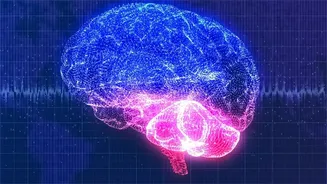
The gut-brain axis is a two-way communication network that links your central nervous system (brain and spinal cord) with your gastrointestinal tract. This complex system involves nerve signals, hormones, and the immune system, allowing the brain to influence
gut function and, just as importantly, for the gut to influence mood, cognition, and mental health. Think of the vagus nerve as a major highway for these messages, constantly relaying information back and forth. The trillions of microorganisms living in your gut, collectively known as the gut microbiome, are key players in this conversation. An imbalance in these gut bacteria has been linked to issues like anxiety and depression.
The Mood-Boosting Role of Probiotics
Probiotics are live, beneficial bacteria that help maintain a healthy balance in your gut microbiome. Sometimes called 'psychobiotics' for their potential mental health benefits, these microorganisms can influence the production of key neurotransmitters. In fact, a significant portion of the body’s serotonin, often called the 'feel-good' chemical that regulates mood, is produced in the gut. Research suggests that consuming probiotics may help reduce stress and anxiety, and even boost mood in healthy individuals. By restoring microbial balance, probiotics have a potential role in both the prevention and treatment of mood-related challenges.
Probiotic-Rich Foods to Add to Your Diet
Incorporating probiotics into your diet is simpler than you might think. Fermented foods are a fantastic natural source. Look for yogurt and kefir with 'live and active cultures'—these are among the most popular and accessible options. Other excellent choices include fermented cabbage dishes like sauerkraut and kimchi. For a soy-based option, consider tempeh or miso paste, which adds a savory depth to soups and dressings. Pickled cucumbers (without vinegar), kombucha (fermented tea), and even some types of cottage cheese can also contribute to your probiotic intake. When buying these products, check the label to ensure they contain live cultures for the maximum benefit.
Why Fiber Is Your Brain’s Best Friend
Dietary fiber is a type of carbohydrate that your body can't digest. Instead, it travels to your large intestine, where it becomes a crucial food source for your beneficial gut bacteria. This role makes fiber a 'prebiotic'. As your gut microbes feast on fiber, they produce compounds called short-chain fatty acids (SCFAs), such as butyrate. These SCFAs have numerous benefits, including strengthening the gut lining, reducing inflammation, and exerting neuroprotective effects that can enhance memory and learning. A high-fiber diet is associated with a lower risk of depression and improved cognitive function, directly supporting brain health via the gut-brain axis.
Top Fiber Sources for Better Focus
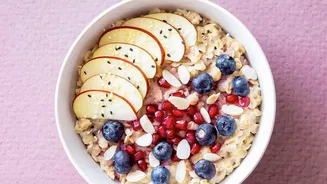
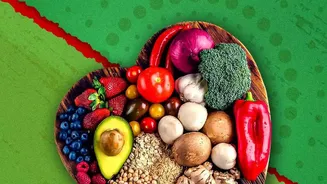
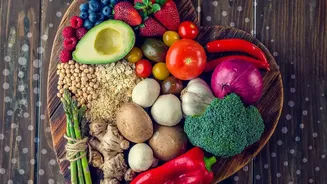
Increasing your fiber intake is a powerful way to nourish your gut and, by extension, your brain. Excellent sources are readily available. Start your day with oatmeal or other whole grains. Legumes, including beans, lentils, and peas, are fiber powerhouses. Fruits are also a great choice, with raspberries, pears, and apples (with the skin on) being particularly high in fiber. Don't forget your vegetables; leafy greens like kale and spinach, along with broccoli and Brussels sprouts, contribute significantly to your daily fiber needs. Nuts and seeds, such as walnuts and flaxseeds, not only provide fiber but also healthy fats that are beneficial for the brain.