




Unlock the Treasure in Your Closet
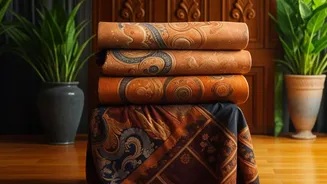
Before you begin, take a moment to appreciate the materials you have. Old sarees, especially silk, cotton, or Banarasi weaves, possess a unique charm with their intricate 'pallus' and decorative borders. Drapes often offer large sections of high-quality,
durable fabric that are perfect for bigger projects. Upcycling these fabrics is not just a sustainable choice; it’s a way to weave personal stories and heritage into your home decor. Imagine a cushion cover made from your mother's wedding saree or a table runner featuring the rich patterns of your old living room curtains. These projects turn forgotten textiles into conversation starters.
Preparing Your Fabric for a New Life
Proper preparation is key to a polished final product. Start by gently washing and ironing the fabric to ensure it's clean and smooth. Carefully inspect the drapes or sarees for any damage. Don't worry about small tears or faded spots; you can easily work around them. The goal is to identify the most attractive and usable sections. For sarees, the border and 'pallu' are often the most ornate parts and are ideal for becoming the focal point of a cushion cover or the decorative edge of a table runner. Cut away any damaged areas, preserving the best parts for your project.
DIY Festive Cushion Covers: Sew & No-Sew
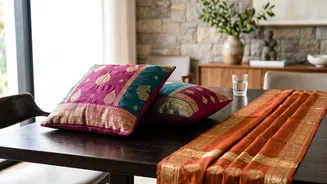
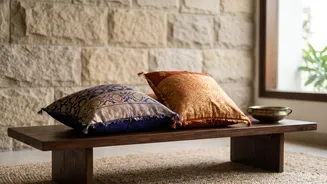
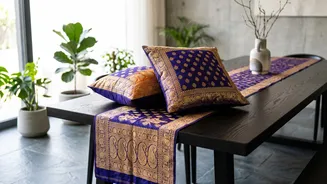
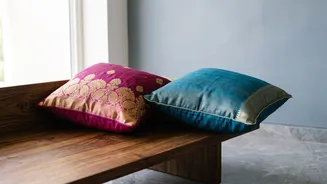
Cushion covers are a fantastic beginner project. For a simple sewn version, cut two identical squares or rectangles from your fabric. A standard size is 16x16 inches. Place the two pieces with their decorative sides facing each other and sew along three edges. Turn the cover right-side out, insert the cushion, and sew the final side closed. For an even simpler, no-sew option, you can use fusible bonding tape. Place your cushion in the center of a large piece of fabric, fold the fabric around it like you’re wrapping a gift, and use fusible tape or fabric glue to secure the folds at the back. This is a great way to create a temporary festive look without any sewing at all.
Crafting an Elegant Table Runner
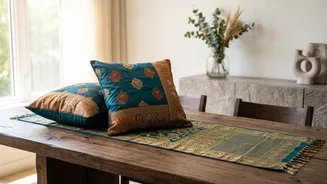
A table runner can instantly elevate your dining space. First, measure your table's length and decide how much overhang you'd like on each end; a 12-inch overhang is standard. Cut your fabric to the desired length and about 14-16 inches wide. For a no-sew finish, you can create clean, hemmed edges using fusible tape. Simply fold the raw edges over, place the tape inside the fold, and press with a hot iron. If the fabric is prone to fraying, this is an essential step. To add a special touch, consider creating a fringe by pulling threads from the edges or attaching tassels, which can often be repurposed from the saree's 'pallu'.
Adding Festive Embellishments
The beauty of DIY is in the details. Use the decorative borders from your old sarees to add a pop of color and texture to plain cushion covers or along the edges of your table runner. Small mirrors, beads, or sequins can be attached with fabric glue for extra sparkle. If you have sections of beautiful embroidery on a kurta or dupatta, you can cut those out and stitch them onto your new creation as a unique patch. Even simple additions like ready-made tassels or pom-poms on the corners of a cushion can make it look professionally finished and festive.