





Create Wet and Dry Zones
The foundation of successful rainy-season packing is creating distinct zones within your luggage. Think of it as a defense system. Your 'dry zone' is for clean, dry clothes and sensitive items. Your 'wet zone' is for isolating anything damp, from a used
umbrella to muddy shoes. The easiest way to achieve this is with waterproof bags. Dry bags, often used for watersports, are excellent for this purpose. Even simple zip-lock plastic bags can be lifesavers; use large ones for damp clothes and smaller ones for toiletries that could leak. This separation prevents moisture from a single wet item from spreading and turning your entire suitcase into a damp, musty mess. Consider a waterproof backpack or a bag with a dedicated rain cover as your first line of defense.
Choose Fabrics That Dry Fast
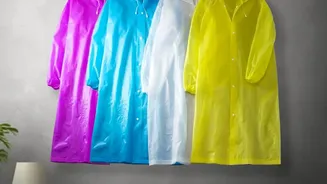
Fabric choice is critical. Leave the heavy denim and absorbent cottons at home; they take forever to dry in humid conditions and become heavy when wet. Instead, build your travel wardrobe around quick-drying synthetic fabrics like polyester, nylon, and other performance blends. These materials are lightweight, breathable, and wick moisture away from your skin, keeping you more comfortable. For a versatile wardrobe, pack several quick-dry tops and a pair of synthetic trousers. A lightweight, packable rain jacket is non-negotiable, and a poncho can be a great addition to cover both you and your backpack. It's also wise to pack an extra set of clothes in a sealed bag, ensuring you always have something completely dry to change into.
The Crucial Role of Footwear
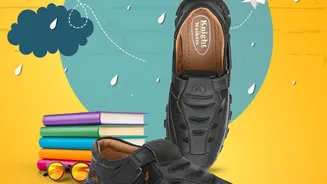
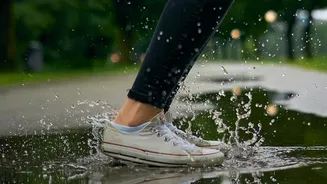
Your feet bear the brunt of wet weather, making footwear one of your most important packing decisions. Leather and canvas shoes are poor choices as they absorb water and can be ruined. Instead, opt for waterproof or water-resistant footwear with good grip to handle slippery surfaces. Rubber floaters, slip-proof sandals, or waterproof boots are all excellent options for walking around. If you plan on hiking, invest in proper waterproof boots to keep your feet dry and protected from leeches, which are more common in the monsoon. Always pack at least two pairs of shoes: one for wearing out in the rain and a completely dry pair to change into at your hotel. This prevents fungal infections and the general discomfort of putting on damp shoes. Also, pack extra pairs of quick-drying, moisture-wicking socks.
Protect Your Electronics and Documents
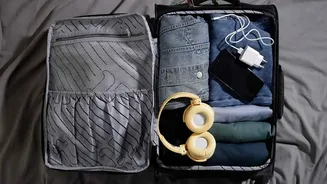
Water can instantly destroy electronics and important documents. A dedicated protection plan for these items is essential. Use waterproof pouches or individual zip-lock bags for your phone, passport, chargers, and any paper tickets or visas. This small step can prevent a major travel headache. For larger items like a laptop or camera, a waterproof dry bag offers the best protection inside your main luggage. When organising your carry-on, keep these protected electronics in a padded, easily accessible compartment. It’s also a good idea to pack silica gel packets inside your electronics bags to absorb any ambient humidity that might get trapped inside. A power bank is another monsoon essential, as power cuts can be more frequent during heavy rains.
Don't Forget Key Accessories
A few extra accessories can significantly improve your comfort and safety. A sturdy, compact umbrella is useful for quick dashes in light rain. A quick-dry microfibre towel is far more practical than a standard cotton one, as it’s lightweight and dries rapidly. Given that the monsoon season can lead to an increase in mosquitoes, a reliable insect repellent is a must-have to protect against bites and vector-borne illnesses. Finally, a small first-aid kit with basics like antiseptic wipes and bandages is always a prudent addition to any travel bag, but especially when conditions are wet and slippery.