







That familiar, nagging ache in your mid-back after hours spent hunched over a keyboard is a common complaint for desk workers. A static posture can lead to significant stiffness, but relief might be simpler than you think.
Why Your Desk Job Hurts Your Back
Sitting for prolonged periods,
especially with poor posture, puts continuous strain on the muscles and ligaments of your spine. The human body is designed for movement, and when we remain static, our thoracic spine—the section running through your mid-back—can become rigid. This lack of movement, combined with slouching, causes muscles to overstretch and fatigue, leading to that all-too-common feeling of tension and pain between the shoulder blades. Over time, this can contribute to muscle imbalances and a compromised posture that persists even after you have logged off for the day.
The Seated Spine Twist: A Simple Solution
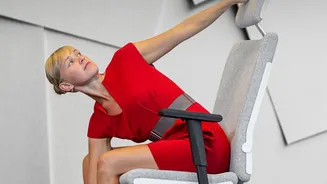
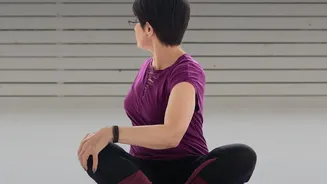
One of the most effective and accessible exercises you can do right at your desk is the seated spinal twist. This gentle movement specifically targets the thoracic spine, reintroducing the rotational movement that is often neglected in our daily routines. By twisting the torso, you gently stretch the tight muscles along the back and around the shoulder blades, providing almost instant relief from the tightness built up during long workdays. It’s a discreet and efficient way to counteract the negative effects of sitting without even leaving your chair.
How to Perform It Correctly
Proper form is crucial to maximize benefits and avoid strain. Follow these steps for a safe and effective twist: 1. Sit tall in your chair with your feet flat on the floor, hip-width apart. Lengthen your spine, imagining a string pulling the crown of your head toward the ceiling. 2. To twist to your right, place your left hand on the outside of your right knee. Place your right hand on the back or side of your chair for support. 3. Inhale deeply to elongate your spine even more. As you exhale, gently rotate your torso to the right. The twist should originate from your mid-back, not your lower back or neck. 4. Keep your hips and knees facing forward as much as possible to isolate the stretch in your spine. 5. Hold the stretch for 15-30 seconds, taking slow, deep breaths. Don't force the movement; only twist as far as is comfortable. 6. Gently unwind on an exhale, returning to the center. Repeat on the left side. Aim for 2-3 repetitions on each side.
Common Mistakes to Avoid
To get the most out of your seated twist, be mindful of these common errors. First, avoid pulling with your arms or using them to force your body deeper into the twist. The movement should be gentle and led by your core and back muscles. Second, do not twist your neck excessively; try to keep it in line with your torso as you rotate. It is also important to avoid slouching or rounding your back during the exercise. Maintaining a long, tall spine is key to targeting the correct muscles. Finally, never jerk or use ballistic movements. The twist should be a smooth, fluid motion that follows your breath.
Make It a Daily Habit
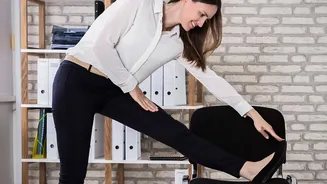
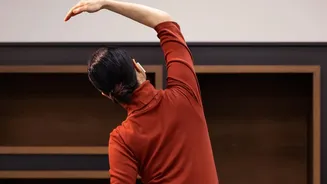
The benefits of the seated spinal twist come with consistency. The best part is its versatility—you can do it anytime you feel stiffness creeping in. Try incorporating it into your routine by setting a reminder to stretch every hour. You can pair it with other desk-friendly movements to create a 'movement snack'. Consider adding seated cat-cow stretches, where you alternate between arching and rounding your back, or simple shoulder rolls to release tension in your upper body. Another great addition is a seated figure-four stretch to open up the hips, which can also become tight from prolonged sitting.