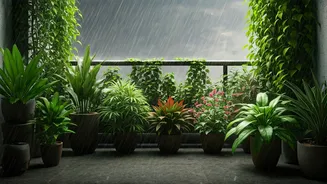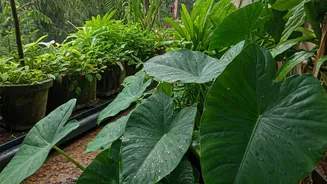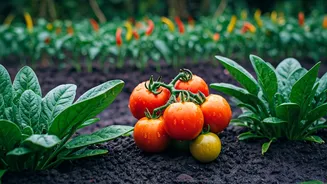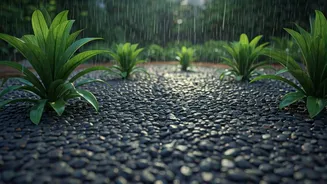







Mistake 1: Overwatering and Poor Drainage
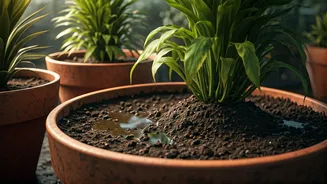
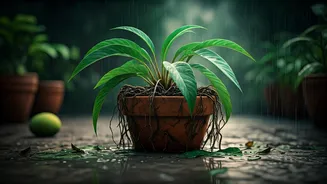
The most common error during the monsoon is providing too much water. With frequent rains, the soil is often already saturated. Continuing a regular watering schedule can suffocate plant roots by cutting off their oxygen supply, leading to root rot. This
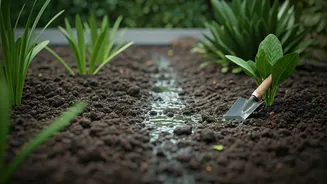
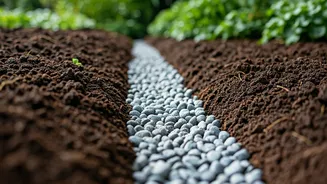
is made worse by using pots with blocked or non-existent drainage holes. Waterlogged soil not only kills roots but also creates a breeding ground for mosquitoes and fungal diseases. The Fix: Always check the soil before watering. Stick your finger about an inch or two into the soil; if it feels damp, hold off. Ensure every pot has adequate drainage holes and consider elevating them on bricks or stands to allow excess water to escape freely. For garden beds, creating channels for water runoff can prevent stagnation.
Mistake 2: Using the Wrong Soil Mix
Heavy, compacted soil is a plant's enemy during the monsoon. This type of soil retains too much water, leading to the same waterlogging and root rot issues mentioned above. The soil structure breaks down, loses its ability to hold air, and can become a dense, muddy mess that beneficial microbes cannot survive in. On the other hand, soil that is too loose can lead to topsoil erosion from heavy downpours. The Fix: Prepare a well-aerated potting mix before the monsoon begins. A good combination includes garden soil, compost for nutrients, and materials like coco peat, sand, or perlite to improve drainage and aeration. This balanced mix will hold enough moisture for the plants without becoming waterlogged.
Mistake 3: Ignoring Pests and Fungal Infections
The warm, humid conditions of the monsoon are a perfect breeding ground for pests like snails, slugs, aphids, and mealybugs. Similarly, fungal diseases such as powdery mildew, root rot, and leaf spot thrive in this weather. Ignoring the early signs of an infestation, like holes in leaves or white patches, can allow the problem to spread rapidly and destroy your plants. The Fix: Inspect your plants regularly, paying close attention to the undersides of leaves. Use organic pest control methods like a neem oil spray (a mixture of neem oil, liquid soap, and water) as a preventive measure every 10-15 days. Sprinkling cinnamon powder can act as a natural fungicide. Ensure good air circulation by avoiding overcrowding plants and pruning them regularly.
Mistake 4: Fertilizing Improperly
While the monsoon is a growth season, it's also a time when nutrients can be easily washed away by heavy rain, a process known as leaching. Some gardeners respond by adding heavy chemical fertilizers, which can burn plant roots in wet soil. On the other hand, not fertilizing at all can leave plants weak and with yellowing leaves due to nutrient deficiencies. The Fix: Opt for organic, slow-release fertilizers or liquid feeds. Fertilizers like vermicompost tea, seaweed extract, or a diluted cow dung manure mix provide a gentle supply of nutrients. It's best to fertilize during breaks in the rain when the soil is moist but not waterlogged. Foliar sprays, which are absorbed through the leaves, are also an effective way to deliver nutrients when the soil is too saturated.
Mistake 5: Neglecting Pruning and Support
Plants experience a growth spurt during the monsoon, which can lead to dense, overgrown foliage. This reduces air circulation, making the plant more susceptible to fungal diseases. Furthermore, strong monsoon winds and heavy rains can easily snap the stems of taller plants or those with heavy foliage if they aren't properly supported. The Fix: Prune your plants regularly to remove dead or yellowing leaves and thin out crowded branches. This not only improves airflow but also encourages healthy new growth. For taller or vining plants, provide sturdy support like stakes or trellises to protect them from the elements. Ensure any ties used are soft and not too tight to avoid damaging the stems.