


Plan Before You Purchase
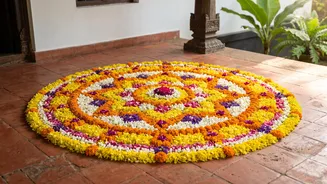
The most effective way to manage your budget is to plan your design before you buy a single petal. Decide on the size and complexity first. A smaller, well-executed design often has more impact than a large, sparse one. Use chalk to draw your intended
pattern on the floor. A simple concentric circle or a minimalist geometric design can be incredibly elegant. Having a clear plan prevents over-purchasing and ensures every flower you buy has a purpose. Remember, a traditional pookalam starts small and grows over the ten days of Onam, which is a great way to manage your flower budget daily.
Embrace the Power of Leaves and Foliage
Flowers don't have to do all the work. Incorporating leaves is a fantastic way to add volume, texture, and contrast to your pookalam. Different shades of green from various plants can create a lush backdrop that makes your flower colours pop. You can use leaves to form borders, create patterns, or fill in larger sections of your design. Not only is this cost-effective, but it also adds an authentic, natural element to your creation, connecting it back to the harvest festival's roots.
Look for Materials in Your Kitchen
An elegant pookalam doesn't have to be made exclusively from flowers. Your kitchen pantry holds a treasure trove of colourful and textural materials. Use rice flour for crisp white outlines, turmeric powder for a vibrant yellow, and even kumkum for splashes of red. Coloured rice, lentils of various hues, and desiccated coconut (which can be lightly toasted for a different shade) are excellent for filling in sections of your design. These alternatives add unique textures and can significantly reduce the quantity of flowers you need to buy.
Choose Your Flowers Wisely
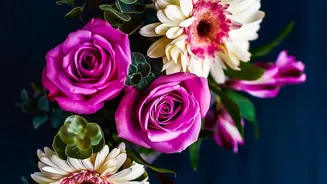
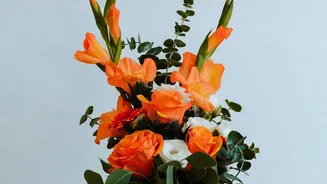
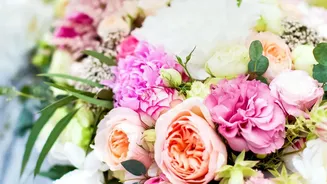
Not all flowers carry the same price tag. For a budget-friendly base, opt for affordable and voluminous flowers like marigolds (jamanthi) in bright oranges and yellows. Chrysanthemums are another cost-effective choice available in many colours. Reserve more expensive, fragrant flowers like jasmine or roses for the centrepiece or as strategic accents rather than using them as the main filler. Sourcing locally available, seasonal flowers like Thumba (Ceylon Slitwort) or Chethi (Ixora) can also be more economical and traditional.
Master Minimalist and Geometric Designs
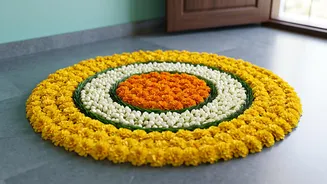
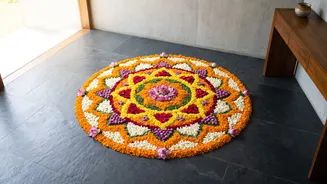
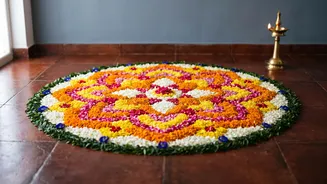
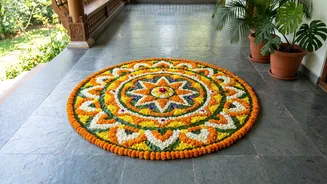
Elegance often lies in simplicity. Instead of a complex, multi-coloured design that requires heaps of petals, consider a minimalist approach. A design with a single central motif, like a lotus or a star, surrounded by simple rings can be very striking. Geometric patterns using squares or triangles within a circle also create a clean, modern aesthetic that requires fewer flowers to look complete. Strong colour contrast—like yellow against red or white against orange—can make even a simple design appear bold and intricate.
Think Small for Big Impact
In apartments and smaller homes, a compact pookalam is both practical and charming. A small design of two to three feet in diameter can create a festive focal point without needing an enormous quantity of petals. You can enhance a smaller pookalam's presence by placing it on a banana leaf base or framing it with small clay diyas or brass lamps. The neatness and precision of a smaller, denser pookalam often feel more elegant and impactful than a larger one that has been stretched thin to cover more area.