
From Plate to Pixel: The Business of Beauty
It’s no longer enough for a dish to taste good; it must also look good. In fact, for many restaurants, the visual appeal is now a primary ingredient. This isn't just about vanity; it's a calculated business strategy. In the age of social media, every
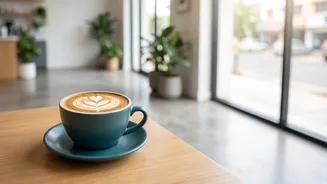
diner is a potential food blogger and marketer. A stunningly plated dish is a form of free advertising, a visual endorsement that can travel across platforms like Instagram and Facebook, reaching thousands of potential customers. This phenomenon, dubbed 'camera eats first,' has transformed restaurant kitchens into part-art studios, where chefs are encouraged to think not only about flavour but also about framing, colour, and texture for the lens. Successful restaurants understand that an 'Instagrammable' dish or interior can generate significant buzz and drive foot traffic, directly impacting revenue.
The Anatomy of a Viral Dish
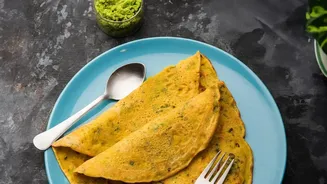
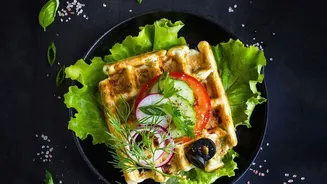
What makes a dish photogenic? It's a science as much as an art. Chefs and food stylists are employing specific techniques to make their creations pop on screen. Bright, bold colours are in, as they naturally attract the eye. Think vibrant beetroot purees, the deep green of fresh herbs, or the jewel-like shine of a pomegranate seed. Contrast is also key—highlighting different textures and colours on the plate. Elements that create movement or a sense of action, like a perfectly gooey cheese pull, a sauce being poured, or steam rising from a hot dish, are highly engaging. Even the plates themselves are chosen with care, often serving as a neutral canvas to make the food the star. Some chefs even arrange ingredients to resemble abstract art, a technique that studies have shown can make diners perceive the food as more complex and enjoyable.
The Indian Dining Scene Gets a Glow-Up
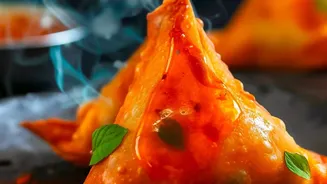
This global trend is very much alive in India's bustling culinary landscape. From the chic cafes of Mumbai and Delhi to the innovative eateries in Bengaluru and Hyderabad, chefs are embracing the power of the picture. We're seeing deconstructed samosas served with artistic flair, cocktails that change colour, and desserts shrouded in a dramatic cloud of liquid nitrogen smoke. These are not just meals; they are experiences designed to be shared. The rise of Indian food influencers and platforms like Zomato and Swiggy, where images dominate, has further accelerated this trend. For a new generation of Indian diners, the visual story of a meal is an integral part of the experience, a way to document their lives and express their personal brand.
Taste vs. 'The Gram': A Worthwhile Tradeoff?
This focus on aesthetics, however, raises a crucial question: are we sacrificing taste for visuals? Critics of the trend worry that some restaurants prioritise looks over flavour, creating dishes that are beautiful but bland. There's a concern that the authenticity of a dish might be lost in the pursuit of a perfect photo. However, many in the food world argue it isn't a zero-sum game. The effort put into presentation can signal a chef's overall commitment to quality. Furthermore, scientific studies have repeatedly shown a powerful connection between appearance and taste. A beautifully presented dish can actually enhance our perception of its flavour, making us believe it tastes better simply because it looks better. The anticipation built while taking a photo can even increase the pleasure of the first bite.