

The Challenge: Earth's Costly Export
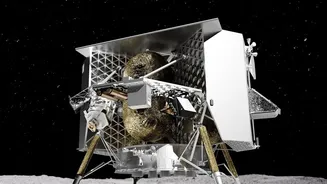
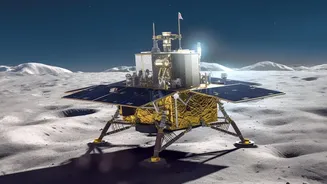
Establishing a permanent human presence on the Moon, a key goal of NASA's Artemis program, is less a question of ambition and more a matter of logistics. The single biggest hurdle is the immense cost of launching supplies from Earth. Every kilogram of cargo
sent to the lunar surface is astronomically expensive. Oxygen, essential for both life support and as a critical component of rocket propellant, is heavy and bulky. Relying solely on Earth-based supplies would make any long-term lunar settlement financially unsustainable. This concept, known as In-Situ Resource Utilization (ISRU), is about living off the land, and it is the cornerstone of making deep space exploration a practical reality. If astronauts can generate their own breathable air and rocket fuel on-site, the entire economic model of space exploration changes.
An Ocean of Oxygen, Trapped in Dust
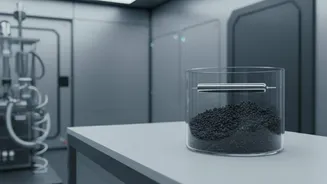
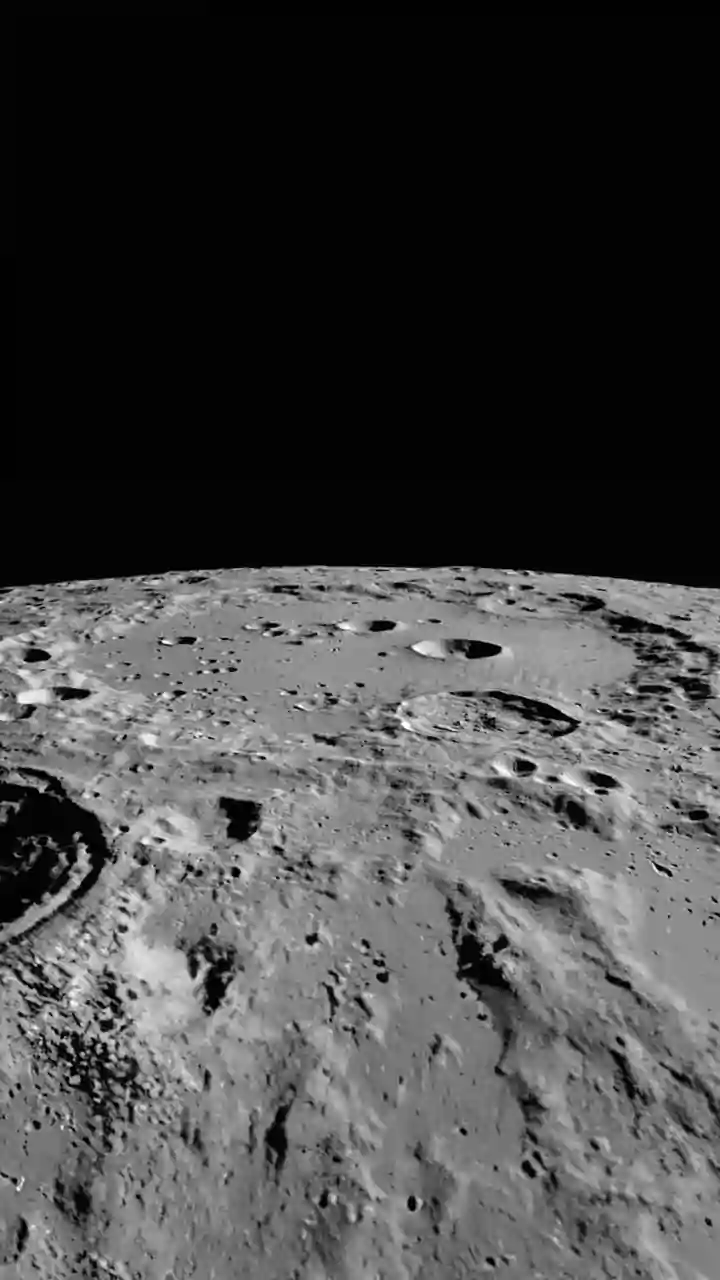
Ironically, the Moon is incredibly rich in oxygen. It’s just not in a form we can breathe. The lunar surface is covered by a layer of fine dust and crushed rock called regolith. By weight, this material is about 45% oxygen. However, this oxygen is chemically locked away inside minerals as metal oxides, like silicon oxide, aluminum oxide, and iron oxide. To make it usable, it must be extracted. For decades, scientists have theorized about liberating this trapped element. Now, through projects at various NASA centers, including the Johnson Space Center in Houston and the Kennedy Space Center in Florida, those theories are being put into practice. They are developing reactors that can heat the regolith to extreme temperatures to break these strong chemical bonds.
How to 'Cook' Air From Moon Rock
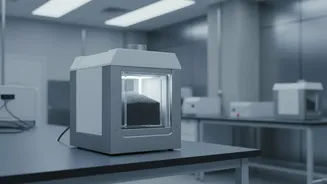
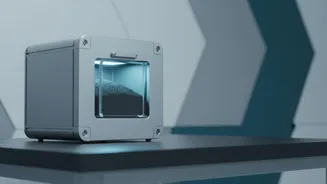
One of the most promising methods being tested is carbothermal reduction. The process takes place inside a specialized reactor that is heated to over 1,650 degrees Celsius. At these temperatures, the regolith melts. When carbon is introduced, it bonds with the oxygen in the molten material, creating carbon monoxide (CO). This gas is then collected, and through a subsequent process, the oxygen can be separated. NASA's Carbothermal Reduction Demonstration (CaRD) team has successfully performed this extraction using simulated moon dust in a vacuum chamber that mimics the lunar environment. The success of these ground-based tests has advanced the technology to a high level of readiness, indicating it is on track for potential use in future Artemis missions. Other methods, like molten regolith electrolysis, which passes an electric current through the melted dust, are also being developed and have shown great promise.
A Valuable Bonus: Metals for Building
The process of extracting oxygen yields another significant benefit: a cache of useful metals. Once the oxygen is stripped away from the regolith, what remains is a mixture of molten metal alloys. This includes iron, aluminum, and silicon, the very materials that could be used for construction on the Moon. These extracted metals could become feedstock for 3D printers, allowing future lunar inhabitants to manufacture tools, spare parts, and even building materials for their habitats. This dual-purpose outcome dramatically increases the value of ISRU. Instead of just producing air, a single process could provide both breathable oxygen and the raw materials for building a self-sustaining outpost, further reducing the need to ship heavy supplies from Earth.
Paving the Way for a Lunar Economy
This technology is more than just a clever science experiment; it's a foundational pillar for a sustained human presence and a future lunar economy. By proving that essential resources can be harvested locally, NASA and its commercial partners, like Blue Origin and Sierra Space, are de-risking long-duration missions. An operational oxygen plant on the Moon could refuel rockets heading for Mars, making the Moon a critical interplanetary logistics hub. As one NASA senior engineer noted, this technology has the potential to produce several times its own weight in oxygen per year, enabling not just survival but a thriving lunar presence. It transforms the Moon from a desolate destination into a resource-rich platform for the next generation of human exploration across the solar system.