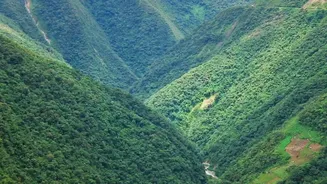

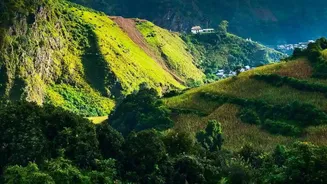

The Monsoon’s Unforgiving Nature
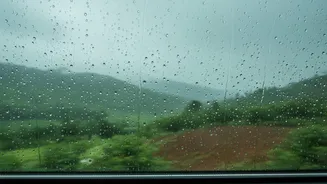
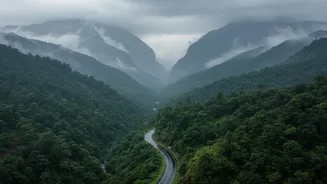
Trekking in Uttarakhand during August is not like a post-monsoon or summer hike. The season is defined by heavy and often continuous rainfall, which fundamentally changes the terrain. The primary dangers are not just about getting wet; they are about landslides,
flash floods, and rockfalls. Saturated soil on steep slopes can give way without warning, blocking trails or, in worst-case scenarios, sweeping them away entirely. Small streams that are easily crossed in other seasons can become raging, impassable torrents within hours. The mountain weather is exceptionally unpredictable, with bright mornings often turning into afternoons of dense fog, poor visibility, and intense downpours.
Beyond a Simple Weather App
A quick glance at a standard weather app on your phone is dangerously insufficient. These apps provide regional forecasts that cannot capture the microclimates of high-altitude valleys. Weather conditions can vary dramatically from one valley to the next. A proper weather protocol involves a more thorough approach. It means consulting multiple, specialised sources. The India Meteorological Department (IMD) provides detailed district-level warnings, which are critical. Cross-referencing this with local information from experienced trek operators, guides, and the Uttarakhand disaster management portal provides a much clearer, more reliable picture of the real-time situation on the ground.
What Real Protocols Look Like
Adhering to a weather protocol is about proactive planning and discipline. First, always build buffer days into your itinerary. A one or two-day delay due to bad weather should be an expected possibility, not a crisis. Second, understand and respect turnaround times. Experienced guides set these for a reason: to ensure you are off exposed ridges or landslide-prone sections before the weather typically worsens in the afternoon. Third, choose your trek wisely. Some routes, like the Valley of Flowers, are accessible during the monsoon, while many high-altitude passes like Har Ki Dun or Rupin Pass are generally not recommended due to the elevated risks. A safe trek begins with selecting a route that is appropriate for the season.
Your Guide is Your Lifeline
During the monsoon, the value of a certified, experienced local guide cannot be overstated. They are more than navigators; they are interpreters of the environment. An expert guide can read subtle, early signs of deteriorating weather that an amateur would miss. They understand the local terrain intimately, knowing which slopes are unstable and which stream crossings are becoming dangerous. They are also connected to a network of other guides and locals, sharing real-time information about trail conditions that will never appear on a website. Trusting their judgement, especially if they advise turning back or waiting out a storm, is a crucial element of your safety.
A True Patriotic Adventure is a Safe One
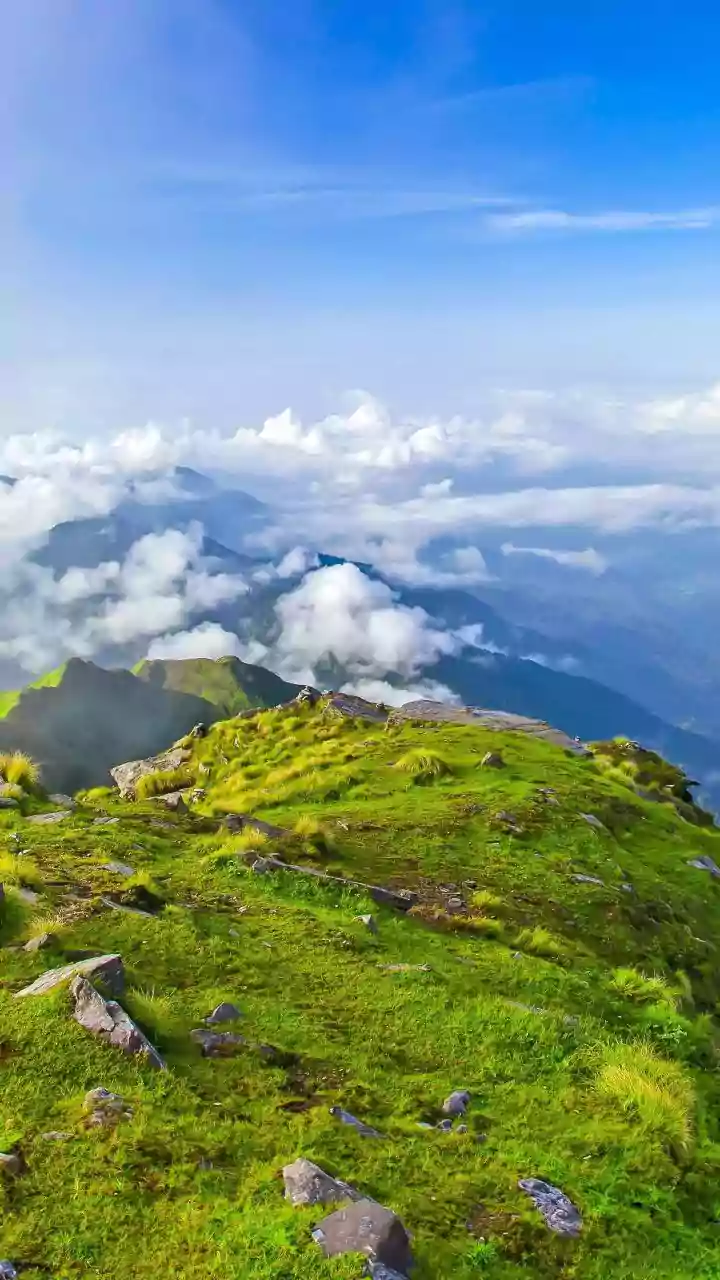
Tying the tricolour to your backpack and heading for the hills is a wonderful way to celebrate the spirit of Independence Day. But true adventure is not about reckless bravado or ignoring warnings. It is about embracing the challenge with preparation, knowledge, and profound respect for the power of nature. A successful trek is one where everyone returns safely, with memories of misty valleys and vibrant green meadows, not one that ends in a preventable emergency. By making rigorous weather checks a non-negotiable part of your plan, you honour the mountains, your fellow trekkers, and the very freedom you are celebrating.