

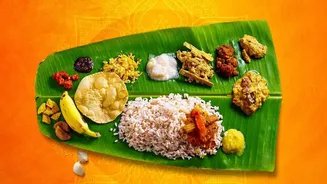
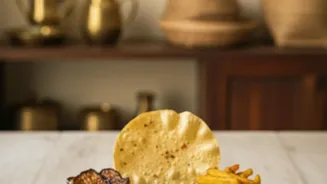
Beyond the familiar masala dabba, a flavour revolution is quietly unfolding in Indian kitchens. A growing appreciation for authenticity is unearthing a treasure trove of forgotten regional spices, transforming modern dishes with complex new aromas.
The Shifting Spice Palette
For
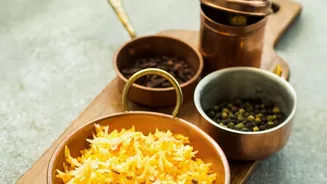
generations, the Indian spice box, or masala dabba, has been the reliable heart of the kitchen, holding staples like turmeric, cumin, coriander, and red chilli powder. While these workhorses remain essential, a culinary shift is underway. Both home cooks and professional chefs are looking past the usual suspects, driven by a growing desire for more nuanced and authentic regional flavours. This movement is about rediscovering the subcontinent's true spice diversity, which was often sidelined by the convenience of mass-produced, standardised blends. Diners are becoming more adventurous, and a rising sense of regional pride is encouraging chefs to explore hyperlocal ingredients. The result is a more vibrant and varied palate, where ingredients once confined to specific communities are now entering the mainstream.
Rediscovering Forgotten Gems
This flavour revival is reintroducing a cast of fascinating spices. Take kalpasi, or 'black stone flower', a lichen that grows on rocks and trees. Used in Chettinad and Goda masalas, it imparts a smoky, earthy depth that is hard to replicate. Then there is radhuni, which looks like carom seeds but offers a flavour closer to celery, and is a key component of the Bengali 'panch phoron' spice mix. From the Himalayas, chefs are sourcing bhangjeera (hemp seeds) for their unique taste profiles. Other rediscovered treasures include kabab chini (tailed pepper), which provides a peppery heat with hints of allspice, and kokum, a souring agent from the Konkan coast that adds a tart finish to curries and drinks. These ingredients are not novelties; they are storied staples being given a new stage.
The Wellness and Flavour Connection
The trend is not just about taste; it is also deeply connected to wellness. Many of these traditional spices are packed with health benefits that have been recognised in Ayurveda for centuries. Turmeric, for instance, contains curcumin, a powerful anti-inflammatory compound. Ginger is a proven digestive aid, while fenugreek can help regulate blood sugar. Spices like cloves and cinnamon are antioxidant powerhouses. As diners become more health-conscious, they are drawn to foods that offer both flavour and function. This return to traditional ingredients is seen as a way to embrace a more natural, holistic approach to eating, where the spice box doubles as a home pharmacy. The focus is on whole ingredients and clean labels, moving away from artificial flavourings.
Chefs as Modern Spice Ambassadors
India’s leading chefs are at the forefront of this movement, acting as culinary archaeologists who unearth and champion these rare ingredients. They are digging into old family kitchens and royal culinary traditions to revive forgotten recipes. At progressive restaurants, these spices are being incorporated into contemporary formats, bridging the gap between tradition and modernity. For example, a chef might use sous-vide techniques on a meat dish seasoned with a rare spice blend, or present a humble dish with modern plating to elevate its status. By featuring these ingredients on their menus, chefs are not only educating diners but also creating a demand that supports agricultural biodiversity and the small-scale farmers who cultivate these spices. This has created a new momentum for farm-to-table dining, built around authentic, regional Indian flavours.