
What Exactly is Friselle?
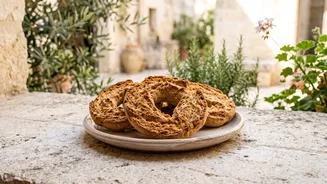
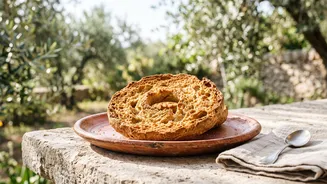
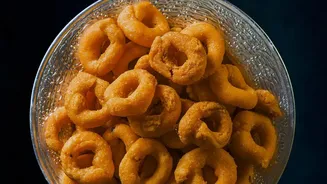
At first glance, friselle (pronounced free-zeh-leh) might look like a rustic, oversized bagel that has been left out for too long. Made from simple ingredients like durum wheat or barley flour, yeast, water, and salt, these bagel-shaped breads are intentionally
baked twice. The first bake cooks the dough through. Then, the warm rings are sliced horizontally and baked again at a low temperature for an extended period. This process removes nearly all moisture, resulting in a bread that is incredibly hard and crunchy, with a rough, porous top and a smoother bottom. It's this extreme dryness that gives friselle its extraordinary shelf life.
A Bread Born of Necessity
The history of friselle is deeply woven into the fabric of Southern Italy, particularly in regions like Puglia, Campania, and Calabria. Its origins trace back centuries, serving as the perfect food for those who needed provisions for long journeys. Sailors and fishermen in the Mediterranean prized friselle because it wouldn't spoil during weeks or months at sea. The ring shape was also practical; it allowed them to be threaded onto a rope for easy storage and transport on crowded ships. It was also known as the 'bread of the Crusaders' for its ability to sustain soldiers on long campaigns. On land, it was a staple in peasant kitchens, a reliable source of carbohydrates that could be made in large batches and stored for lean times.
The Art of Preparing Friselle
You cannot simply bite into a dry frisella—at least, not without risking a tooth. The essential first step is rehydration, a ritual known in Italian as 'sponzare'. This involves a very quick dip—just a few seconds—under cold running water or in a bowl of water. The goal is to soften the porous interior just enough to make it pleasantly chewy while the outer crust retains a bit of its signature crunch. In ancient times, sailors would simply dip it in seawater to both soften and season it. Over-soaking is the cardinal sin, as it turns the bread into a soggy mess. Once softened, the rough surface is ready to absorb olive oil and toppings.
Classic Toppings and Modern Twists
The most classic way to enjoy friselle is a testament to the beauty of simple Italian cuisine. The softened bread is generously topped with chopped ripe tomatoes, a drizzle of high-quality extra virgin olive oil, a sprinkle of salt, and a pinch of fragrant oregano. The juices from the tomato mingle with the olive oil and soak beautifully into the bread's surface. But the versatility of friselle doesn't stop there. In Calabria, it might be topped with sweet Tropea onions and a hint of chilli. Other popular additions include olives, capers, anchovies, or creamy cheeses like burrata or ricotta. Modern interpretations treat it like an open-faced sandwich, piling on everything from avocado and smoked salmon to roasted vegetables. Some even enjoy it for breakfast, dunked in milk or coffee.
A Timeless Staple for the Modern Pantry
While it was once food for survival, friselle is now celebrated as a symbol of Puglia's culinary heritage and a beloved summer dish. In an age where we value sustainability and reducing food waste, a bread that can last for months—some bakers claim up to a year if stored in an airtight container—feels incredibly relevant. It's a reminder that ancient wisdom often holds practical solutions for modern life. It's more than just a dry bread; it's a delicious connection to the past, a versatile canvas for fresh ingredients, and a perfect example of how humble beginnings can lead to something truly enduring.